Grief & Loss · Women's Only · Orange County

Grief & Loss Treatment for Women

Loss can quietly rearrange a woman's whole life. At Anchored Tides Recovery, grief support is woven into our women-only dual diagnosis program, so the sorrow you carry and any substance use or mental health concerns beside it are cared for together, by one clinical team, in Huntington Beach.

  • Joint Commission Accredited
  • DHCS License #300386AP
  • Female-Founded
A woman shares her thoughts with another person in a bright room
“Anchored tides saved my life. I had been to an inpantient facility before and my sobriety wasn't lasting, until I found this place. I enjoyed the different groups and the staff and women are so welcoming. I felt so comfortable here, which I hadn't felt before. I now have the confidence to succeed in life. Very thankful for this place.”
Brenna Boudreau

Key Takeaways

  • Grief support here lives within dual diagnosis care. We support adult women whose loss overlaps with substance use or a mental health concern, within our licensed outpatient scope rather than as a standalone bereavement service.
  • Grief and substance use are addressed together. Loss can intensify cravings, depression, anxiety, or trauma symptoms, so one clinical team holds both in a single plan.
  • Care is offered in PHP, IOP, and outpatient. A clinician recommends your starting point at intake, and we coordinate with trusted partners when residential care or medical detox is needed first.
  • Support draws on evidence-based approaches. Your plan may include individual therapy, women-only groups, EMDR, CBT, DBT, and psychiatric medication management when appropriate.

How Grief Can Show Up for Women

Grief has no fixed timeline. Many women find their way through loss with support; for others, it continues to shape sleep, work, parenting, and self-worth long after others expect them to feel like themselves again.

The losses that bring women to us vary widely:

  • The death of a partner, parent, child, sibling, or close friend
  • Pregnancy loss, stillbirth, or infant loss
  • The end of a marriage or a significant relationship
  • The close of a long caregiving role
  • Losses of health, identity, career, or community that others may not see
A distressed woman sitting on a couch

Signs Grief May Need More Support

Clinicians sometimes describe grief that stays intense and disruptive over a long period as prolonged or complicated grief. You do not need a label to ask for help. These signs suggest it may be time to talk with a professional:

  • Yearning or preoccupation with the loss that crowds out daily life
  • Persistent numbness, disbelief, or a sense that part of you is missing
  • Intrusive memories or images that interrupt your day
  • Avoiding people, places, or reminders tied to the loss
  • Difficulty keeping up with work, parenting, or basic routines
  • Changes in sleep, appetite, or energy that do not ease
  • Reaching for alcohol, pills, or other substances to get through the day or night

Grief can also overlap with symptoms of depression and PTSD and trauma, especially when a loss was sudden or frightening.

A worried woman sitting on a sofa

Grief, Substance Use, and Relapse Risk

Some women first turn to alcohol or pills to quiet grief or get through a service. Over time, relief can become another source of harm. For women in recovery, anniversaries, holidays, sudden death, or relationship endings can stir cravings and old patterns — common relapse triggers even after a long stretch of stability. These reactions can complicate recovery and make daily life harder. Grief and substance use can reinforce one another, so our integrated care addresses both with one clinical team and plan.

How We Support Women Through Grief

Grief support at Anchored Tides is provided within our licensed outpatient scope, as part of integrated dual diagnosis care. Every part of the program is trauma-informed by design, so safety, choice, and pacing guide each session.

Depending on your needs, your plan may include:

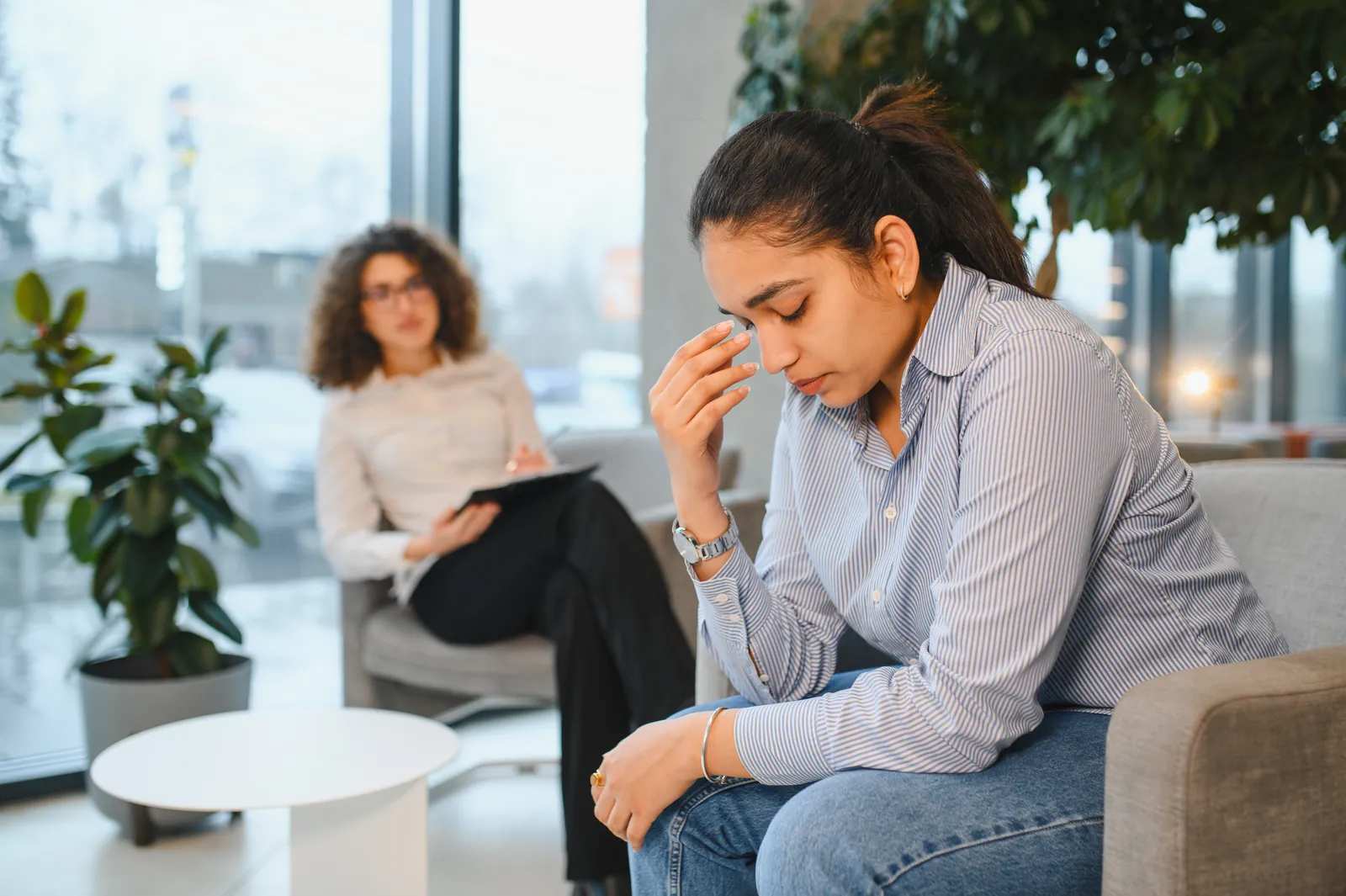
A woman speaks with another person in a light room
  1. 01

    Individual therapy to explore the loss, its meaning, and how it is affecting your daily life.

  2. 02

    Women-only group therapy, where shared understanding can ease the isolation grief so often brings.

  3. 03

    EMDR and trauma-focused therapy when a loss is tied to traumatic memories, paced to your readiness.

  4. 04

    CBT and DBT skills for working with painful thoughts, intense emotions, and urges to use.

  5. 05

    Psychiatric medication management when grief overlaps with depression or anxiety, coordinated by our team.

  6. 06

    Medication-assisted treatment for co-occurring substance use, when clinically indicated.

  7. 07

    Relapse prevention planning that names your personal grief triggers, including anniversaries and holidays.

If you are curious about the work itself, our article on EMDR therapy for women explains how it helps process painful memories. Some women also find that our coastal adventure and surf therapy offers a gentle, body-based complement to talk therapy.

Levels of Care for Grief and Co-Occurring Concerns

Every level of care we offer is dual diagnosis capable. Your starting point is determined clinically at intake, and as your needs change, the clinical relationship continues while the cadence adjusts.

Still weighing your options? Our guide to PHP vs. IOP walks through the differences, and our admissions team is glad to think it through with you.

Carrying grief alongside substance use or a mental health concern?

Care that holds the whole story — at a pace that feels safe.

Talk confidentially with admissions about grief support, outpatient care, and your next step.

What to Expect When You Reach Out

  1. 1.

    Reach out: Call (866) 329-6639 or complete our confidential insurance verification form.

  2. 2.

    Confidential assessment: Our admissions team asks about your loss, substance use, mental health, and safety to understand the whole picture.

  3. 3.

    Benefits check: We verify your benefits before your first session and explain what we find in plain language.

  4. 4.

    Level of care recommendation: A clinician recommends PHP, IOP, or outpatient based on your needs.

  5. 5.

    Personalized plan: One clinical team builds an integrated plan that holds grief, mental health, and substance use together, and adjusts it as you heal.

You can see each step in more detail on our admissions page.

Why Women Choose Anchored Tides Recovery

Anchored Tides is a women-only, female-founded program in Huntington Beach. Our care rests on a simple principle drawn from our dual diagnosis model: one team, one plan, one woman.

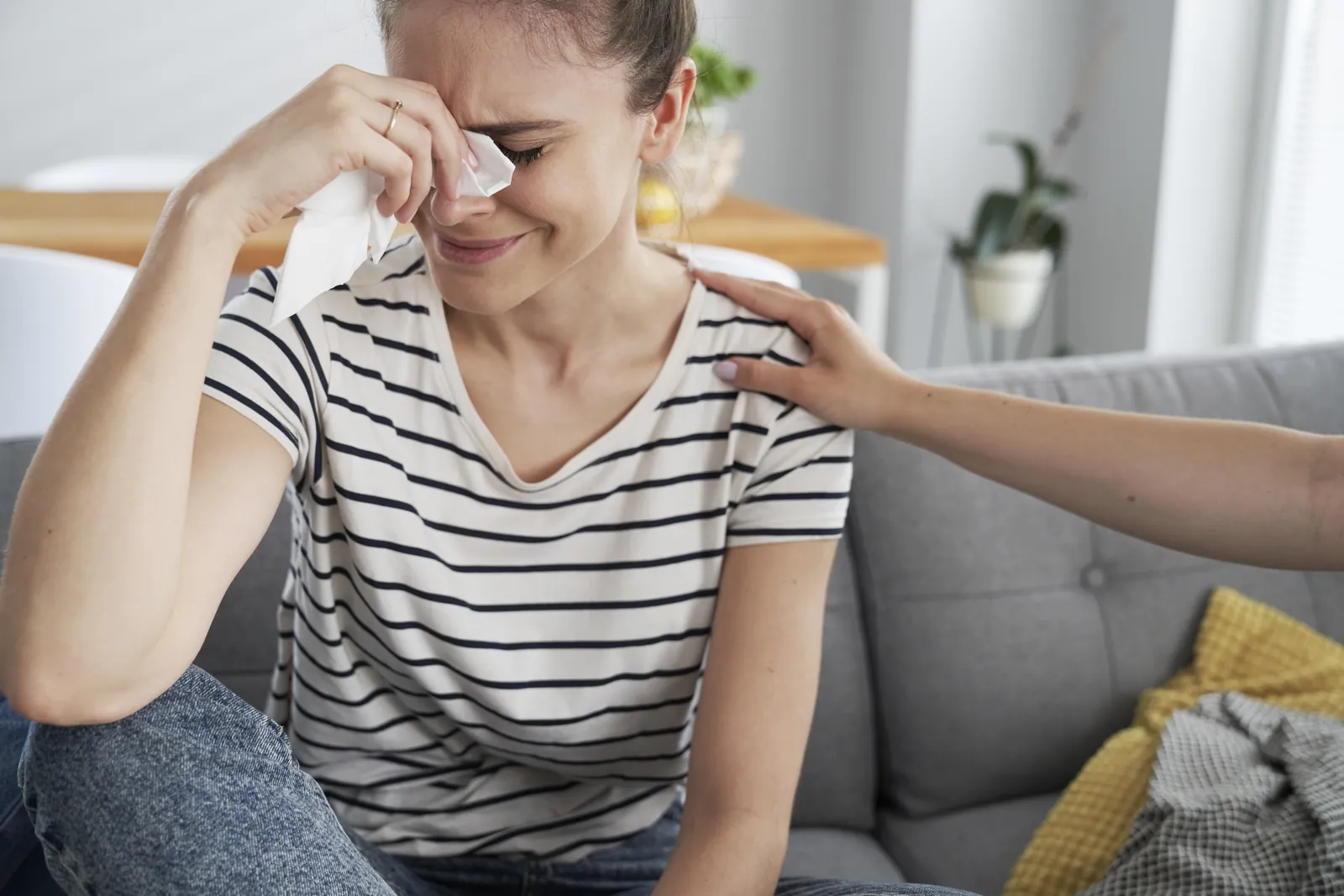
A woman crying as another person offers a comforting hand
  1. 01

    Women-only care, so you can speak openly about loss, motherhood, relationships, and identity

  2. 02

    A trauma-informed structure, from how sessions are paced to how groups are held

  3. 03

    Integrated dual diagnosis care across PHP, IOP, and outpatient, with continuity as you step down

  4. 04

    Clinical leadership that includes Medical Director Dr. Venice Sanchez, M.D., and Sara Rotunno, LPCC

  5. 05

    Joint Commission accreditation and DHCS License #300386AP

You are welcome to meet the clinicians behind our care on our team page, or hear from women and families on our testimonials page.

Insurance coverage for grief and co-occurring care

Coverage for grief-related care depends on your plan and clinical need.

We review your benefits with you before you begin and explain what your plan covers. For an overview of the plans we work with, visit our insurance coverage guide. We do not accept Medi-Cal, Medicaid, or Medicare.

In-Network

PPO, HMO, and EPO accepted

Major PPOs Accepted

Other insurance carriers accepted, verify insurance to find out if you’re covered. We do not accept Medi-Cal or Medicare.

Grief Support Near Huntington Beach

Our program is based at 19126 Magnolia St #101, Huntington Beach, CA 92646, and serves women across Orange County and Southern California. For directions, visit our Huntington Beach location page.

Anchored Tides Recovery
19126 Magnolia St #101
Huntington Beach, CA 92646

Frequently Asked Questions

  • Yes, as part of our outpatient dual diagnosis care. Grief support is woven into individual therapy, women-only groups, and evidence-based modalities for adult women whose loss overlaps with substance use or a mental health concern.

Begin Healing With Support Around You

You do not have to carry this loss alone, or choose between grieving and getting well. Our women-only team is here to help you hold both, at a pace that feels safe.

Call (866) 329-6639, verify your insurance confidentially, or contact our team with questions. You can also review our admissions process to see what happens next.

(866) 329-6639