One of the things I appreciate most about Anchored Tides is the skillful care in which they hold all of their clients. I don't know how they have managed to find an entire team that sees into the deep dignity of every person they treat - this includes strong boundaries and creates a stable and safe environment for healing.
Jona Genova
Read all reviews on Google

Page 3 of 10 · /conditions/stimulant-use/

Stimulant use disorder in women is a pattern of compulsive use of substances that speed up the body and mind — cocaine, methamphetamine, and prescription stimulants like Adderall, Vyvanse, or Ritalin.

For many women, it begins with a reason that makes sense on the surface: more energy, more focus, less appetite, more hours in the day. Over time, those reasons quietly become a dependency. Our women's addiction treatment center is a place where the why beneath the use is taken just as seriously as the use itself.

TL;DR

Stimulant use disorder in women often starts with high-functioning rationales — productivity, weight, fatigue, caregiving demand — and is closely tied to eating disorders, anxiety, and untreated ADHD or trauma. Care has to address what the stimulant is being asked to solve, not just the substance itself.

Key Takeaways

  1. It covers illicit and prescription stimulantscocaine, methamphetamine, and the misuse of prescription stimulants like Adderall, Vyvanse, or Ritalin.

  2. Women use stimulants for specific reasonsweight control, productivity, or coping with exhaustion — often alongside anxiety or trauma.

  3. It overlaps tightly with eating disordersand with sleep disruption and cardiovascular strain.

  4. No FDA-approved medication exists yetbehavioral therapies are the core of treatment for stimulant use disorder.

  5. Underlying drivers must be addressedbody image, performance pressure, emotional dysregulation — the engine beneath the substance.

What it actually means

Stimulants act on the brain's dopamine system — then the system adapts.

Stimulant use disorder is a chronic condition involving the compulsive use of stimulant drugs despite negative consequences. The category includes illicit stimulants — cocaine and methamphetamine — and the misuse of prescription stimulants, whether prescribed to the woman herself or obtained from someone else.

Stimulants act on the brain's dopamine system, producing a surge of energy, focus, and reward. Over time, the brain adapts. The same dose stops producing the same effect, and the natural baseline — without the substance — feels flat, foggy, or unbearable. That shift is biological, not a matter of character.

How it shows up in women

Often framed inside achievement, appearance, or survival.

Women's stimulant use is often framed inside achievement, appearance, or survival. The story underneath frequently includes:

  • Using prescription stimulants — prescribed or not — to study, work longer hours, parent through exhaustion, or stay competitive.
  • Using stimulants to suppress appetite and control weight.
  • Using cocaine socially, then more privately, then alone.
  • Using methamphetamine to keep up with work demands, manage emotional pain, or escape a difficult situation.
  • Cycling between stimulant use and depressants like alcohol, cannabis, or benzodiazepines to come down.
  • Sleep loss, agitation, and a sense of becoming someone the woman herself doesn't recognize.

Felt cost

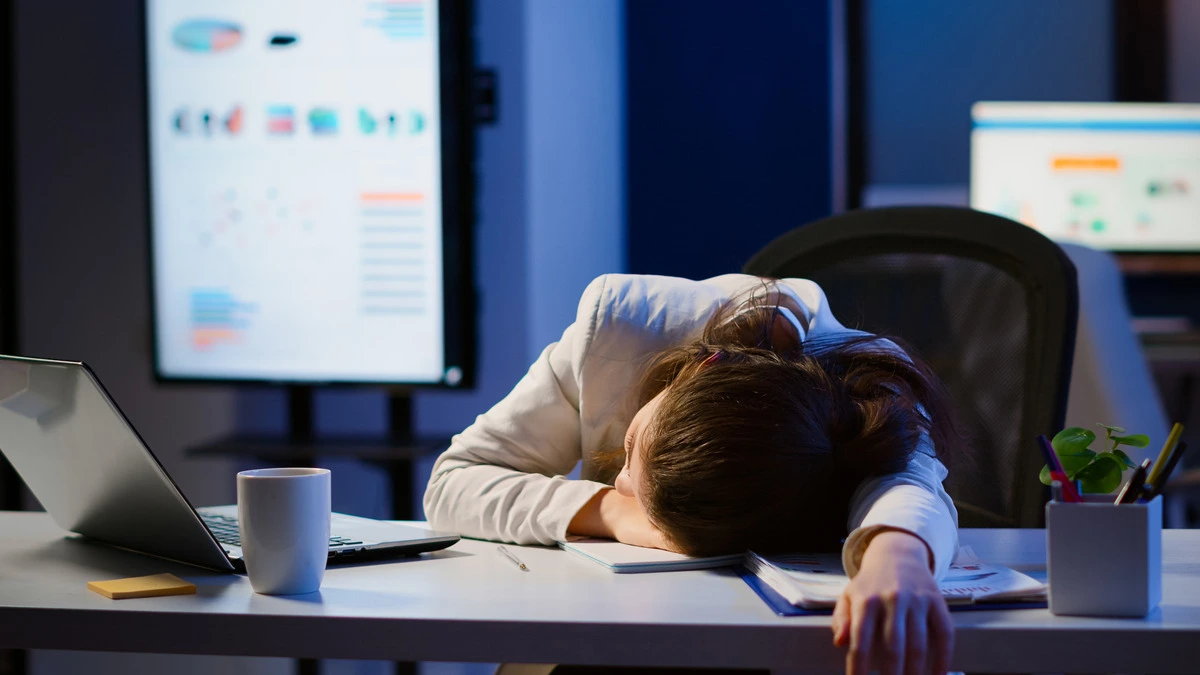
An overhead view of a woman sitting alone, head in hands — quiet exhaustion.

Stimulants raise heart rate and blood pressure, suppress appetite, disrupt sleep, and can trigger or worsen anxiety, panic, and paranoia — the felt cost adds up over time, not all at once.

Why stimulants are particularly risky for women

Cardiovascular, hormonal, and psychiatric impact compounds quietly.

Over time, stimulants can contribute to cardiovascular strain, dental damage (particularly with methamphetamine), reproductive health disruptions, and severe mental health consequences.

In women with co-occurring eating disorders, stimulants accelerate the harm of restriction and amplify body-image distortion. In women with trauma histories, they can intensify hypervigilance and sleep disruption. In women with untreated ADHD or anxiety, they can feel like a solution while quietly causing damage elsewhere.

Causes & co-occurring patterns

Stimulant use in women rarely walks alone.

Stimulant use disorder almost always sits inside a broader emotional and clinical picture. Treating the substance without the rest of the story rarely holds.

Common contributing factors

Causes & risk factors

  • History of anxiety, depression, or trauma.
  • Eating disorders or disordered eating patterns.
  • Untreated or undertreated ADHD.
  • High-pressure work, academic, or caregiving environments.
  • A culture of normalized stimulant use within a peer group.
  • Access to a prescription, whether the woman's own or someone else's.
  • Family history of substance use.

Patterns we see most often

Co-occurring patterns

Because the eating disorder–stimulant overlap is so common in women, our Eating Disorder Treatment track is built to work alongside substance use care rather than separately from it.

  • Stimulants and eating disorders — using stimulants to suppress hunger, often within a longer history of restriction or body-image distress.
  • Stimulants and anxiety — paradoxically using a stimulant to function through anxiety, then crashing into deeper anxiety on the back end.
  • Stimulants and depression — using to push through low mood, with worsening depression in the come-down.
  • Stimulants and trauma — using to outrun emotional pain that hasn't been clinically addressed.
  • Stimulants and alcohol or sedatives — using depressants to manage the crash, which is its own pattern of risk.

When it's time to reach out

If the stimulant has become how you function, that is worth a conversation.

It may be time to talk to someone if any of these are true:

  • You are using stimulants to function — to work, parent, study, or socialize — rather than as an occasional choice.
  • You are using prescription stimulants in a way your prescriber did not intend, or using someone else's prescription.
  • You are using stimulants to control your weight or appetite.
  • Sleep, mood, or your heart is suffering.
  • You crash hard and use depressants to come down.
  • People who love you have started naming a change in you.

How Anchored Tides supports women

We treat what the stimulant is being asked to solve.

We treat stimulant use disorder as part of a broader story about how a woman has been asked, or has asked herself, to keep going. Care typically combines:

  • Women's PHP, IOP, or Outpatient — evidence-based behavioral therapy at the center of care.
  • CBT, DBT, and contingency management — the modalities with the strongest evidence base for stimulant use.
  • Eating Disorder Treatment integration — when restriction and stimulant use have grown up together.
  • Dual Diagnosis + Trauma-Informed Care — for the anxiety, depression, or trauma underneath.

In-Network

PPO, HMO, and EPO accepted

Major PPOs Accepted

Out-of-network

Not sure if you’re covered? Verify your insurance in 2 minutes

Frequently Asked Questions

  • Taking a prescription stimulant exactly as prescribed for ADHD is not, by itself, a disorder. The clinical line is whether the use has shifted — higher doses than prescribed, using outside of intended purpose, using to cope with emotion, or feeling unable to function without it.

Evidence & accountability

Sources and clinical review

This page was reviewed by Zoe Tambling, LMFT on . The references below informed the specific topics noted with each citation.

  1. Addiction ScienceNational Institute on Drug AbuseSupports: Addiction as a treatable health condition
  2. Treatment and RecoveryNational Institute on Drug AbuseSupports: Addiction treatment and recovery guidance

Ready to take the next step?

A confidential conversation helps figure out where to start — and what treatment should look like for you.

Confidential. No obligation. Most major PPO plans accepted.