
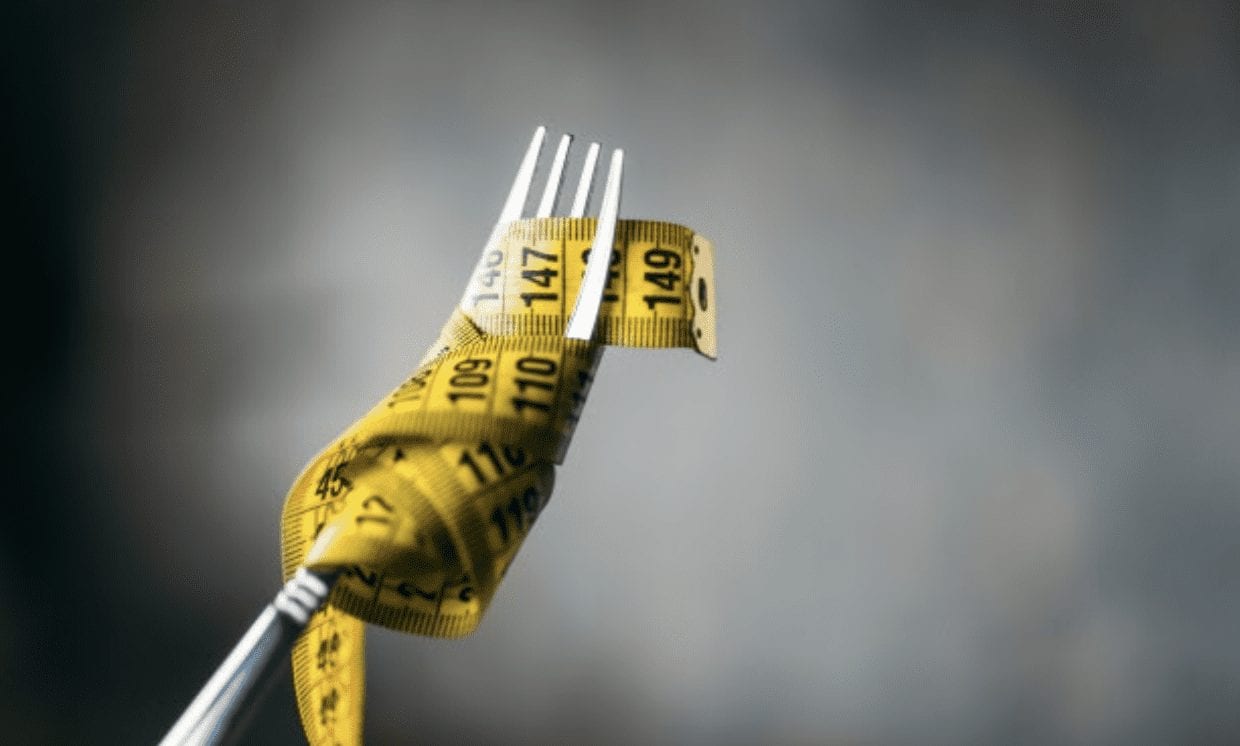
A fork wrapped in a measuring tape, symbolizing eating disorder awareness

What We Treat · Women's Only · Eating Disorders

Eating Disorders in Women. When food, body, and substance use are all part of the story.

Eating disorders affect women at significantly higher rates than men and frequently co-occur with substance use, trauma, anxiety, and depression. They are serious medical conditions with real mortality risk.

Call (866) 329-6639
One of the things I appreciate most about Anchored Tides is the skillful care in which they hold all of their clients. I don't know how they have managed to find an entire team that sees into the deep dignity of every person they treat - this includes strong boundaries and creates a stable and safe environment for healing.
Jona Genova
Read all reviews on Google

Page 9 of 10 · /conditions/eating-disorders/

Anorexia nervosa, bulimia nervosa, binge eating disorder, and OSFED all share a common thread: a relationship with food, body, or weight that has begun to do damage.

For many women, an eating disorder and a substance use disorder grow up alongside each other. Our women's addiction treatment center includes a specialist clinical track built specifically for this overlap.

TL;DR

Eating disorders affect women at significantly higher rates than men and frequently co-occur with substance use, trauma, anxiety, and depression. They are serious medical conditions with real mortality risk. Specialist, integrated care — addressing both the eating disorder and the substance use together — is the standard of treatment.

Key Takeaways

  1. Eating disorders cover several diagnosesanorexia nervosa, bulimia nervosa, binge eating disorder, and other specified feeding or eating disorders (OSFED).

  2. They carry significant medical riskand have one of the highest mortality rates of any mental health condition.

  3. Women experience them at substantially higher ratesthan men, though the gap is closing as awareness grows.

  4. Substance use frequently co-occursstimulants for appetite suppression, alcohol as a substitute for food, sedatives for body-image distress.

  5. Treat both together, plus the enginealongside trauma, anxiety, and depression where present.

What it actually means

Eating disorders are serious medical conditions, not lifestyle choices.

Eating disorders are serious mental health conditions defined by disturbances in eating behavior and a disrupted relationship with food, weight, or body. The major categories include anorexia nervosa (significant restriction of food intake, intense fear of weight gain, disturbance in self-perception), bulimia nervosa (recurrent binge eating followed by compensatory behaviors), binge eating disorder (recurrent episodes of binge eating without regular compensatory behaviors), and OSFED — clinically significant eating disturbances that don't meet full criteria but are no less serious.

Eating disorders are not a phase, a diet, or a lifestyle choice. They are medical conditions with real mortality risk, especially when untreated and especially when paired with substance use.

How it shows up in women

You often can't tell by looking.

Women's eating disorders often hide in plain sight, particularly when a woman's body looks within an expected size range. 'You can't tell by looking' is one of the most important things to understand about this condition. What women describe:

  • Constant background calculation — calories, macros, exercise, the next meal, the last meal.
  • Rigid food rules that feel safer than flexibility.
  • Binge episodes followed by intense shame and compensatory behavior.
  • Using exercise as punishment rather than care.
  • Using substances — stimulants, nicotine, caffeine — to suppress hunger.
  • Using alcohol as a substitute for food, or to manage body-image distress.
  • Body checking, mirror avoidance, or constant comparison to other women.
  • A sense that the eating disorder is the part of life that feels in control.

Medical risk compounds when substance use enters

A woman crouched over a scale, hand on head — the daily weight of the disorder.

Anorexia nervosa, in particular, has one of the highest mortality rates of any mental health condition. When substance use is layered on top, the medical risk profile compounds — stimulants strain the cardiovascular system; alcohol disrupts electrolyte balance; laxative misuse can become its own serious medical situation.

Why eating disorders are particularly dangerous

Mortality risk is real — especially with co-occurring substance use.

Eating disorders carry significant medical risk: cardiovascular damage, electrolyte imbalances, bone density loss, and reproductive disruption. Bulimia carries its own medical risks from purging behaviors. Binge eating disorder is associated with metabolic and cardiovascular consequences.

Some women with eating disorders require medical stabilization before entering our outpatient program. We coordinate medical referrals when that level of care is needed.

Causes & co-occurring patterns

Eating disorders and substance use are deeply intertwined.

Our Eating Disorder Treatment track is a specialist clinical track within our program, built specifically for the overlap with substance use and other co-occurring conditions.

Common contributing factors

Causes & risk factors

  • Genetic predisposition — eating disorders run in families.
  • History of trauma, particularly sexual trauma or relational trauma.
  • Co-occurring anxiety, depression, OCD, or PTSD.
  • Perfectionism and high-achievement orientation.
  • Cultural and social pressures around women's bodies and food.
  • Early dieting, particularly in adolescence.
  • Athletic or performance environments with weight-based pressure.
  • Family environments with significant weight, food, or body focus.

Patterns we see most often

Co-occurring patterns

  • Eating disorders and stimulant use — using stimulants for appetite suppression and energy.
  • Eating disorders and alcohol — using alcohol as a substitute for food, or to manage body-image distress.
  • Eating disorders and benzos — using sedatives to manage anxiety around food, body, or social eating.
  • Eating disorders and opioids — particularly in women with chronic pain or trauma.
  • Eating disorders and trauma — restriction, bingeing, or body distress functioning as trauma responses.
  • Eating disorders and depression or anxiety — almost always present in some form.

When it's time to reach out

If food, weight, or body is taking up significant mental space, this is worth a conversation.

It may be time to talk to someone if any of these are true:

  • Food, weight, or body is taking up significant mental space, most days.
  • You are restricting, bingeing, purging, or compulsively exercising in ways that feel out of your control.
  • You are using substances to manage appetite, weight, or body distress.
  • Your menstrual cycle, energy, mood, or cognitive function has changed.
  • You hide what you eat, what you don't eat, or what you do with food.
  • You've tried to manage this on your own and it isn't holding.

How Anchored Tides supports women

Our Eating Disorder Treatment is a specialist clinical track within our program.

Women in our Eating Disorder Treatment track work at the appropriate level of care. Care includes:

  • Women's PHP, IOP, or Outpatient — clinical structure matched to severity.
  • CBT, DBT, and trauma-focused work — evidence-based therapies at the core of treatment.
  • Dual Diagnosis integration — substance use work in the same plan, not separately.
  • Trauma-Informed Care — where trauma is underneath.
  • Medical referral when needed — for women requiring stabilization before outpatient care.

In-Network

PPO, HMO, and EPO accepted

Major PPOs Accepted

Out-of-network

Not sure if you’re covered? Verify your insurance in 2 minutes

Frequently Asked Questions

  • Yes. Eating disorders are diagnosed by behavior, cognition, and clinical impact — not by body size. Women in larger bodies, midsize bodies, and smaller bodies all develop and live with eating disorders. 'You can't tell by looking' is one of the most important truths about this condition.

Evidence & accountability

Sources and clinical review

This page was reviewed by Zoe Tambling, LMFT on . The references below informed the specific topics noted with each citation.

  1. Eating Disorders: What You Need to KnowNational Institute of Mental HealthSupports: Eating-disorder symptoms and treatment

Ready to take the next step?

A confidential conversation helps figure out where to start — and what treatment should look like for you.

Confidential. No obligation. Most major PPO plans accepted.