Substance Abuse Treatment · Women's Only · Orange County

Women's Substance Abuse Treatment in Orange County

Women-only outpatient treatment for alcohol and other substances — including opioids, stimulants, benzodiazepines, and polysubstance use. PHP, IOP, and outpatient care, in-network with major insurance plans.

  • Joint Commission Accredited
  • NAATP Member
  • DHCS License #300386AP
  • Female-Founded
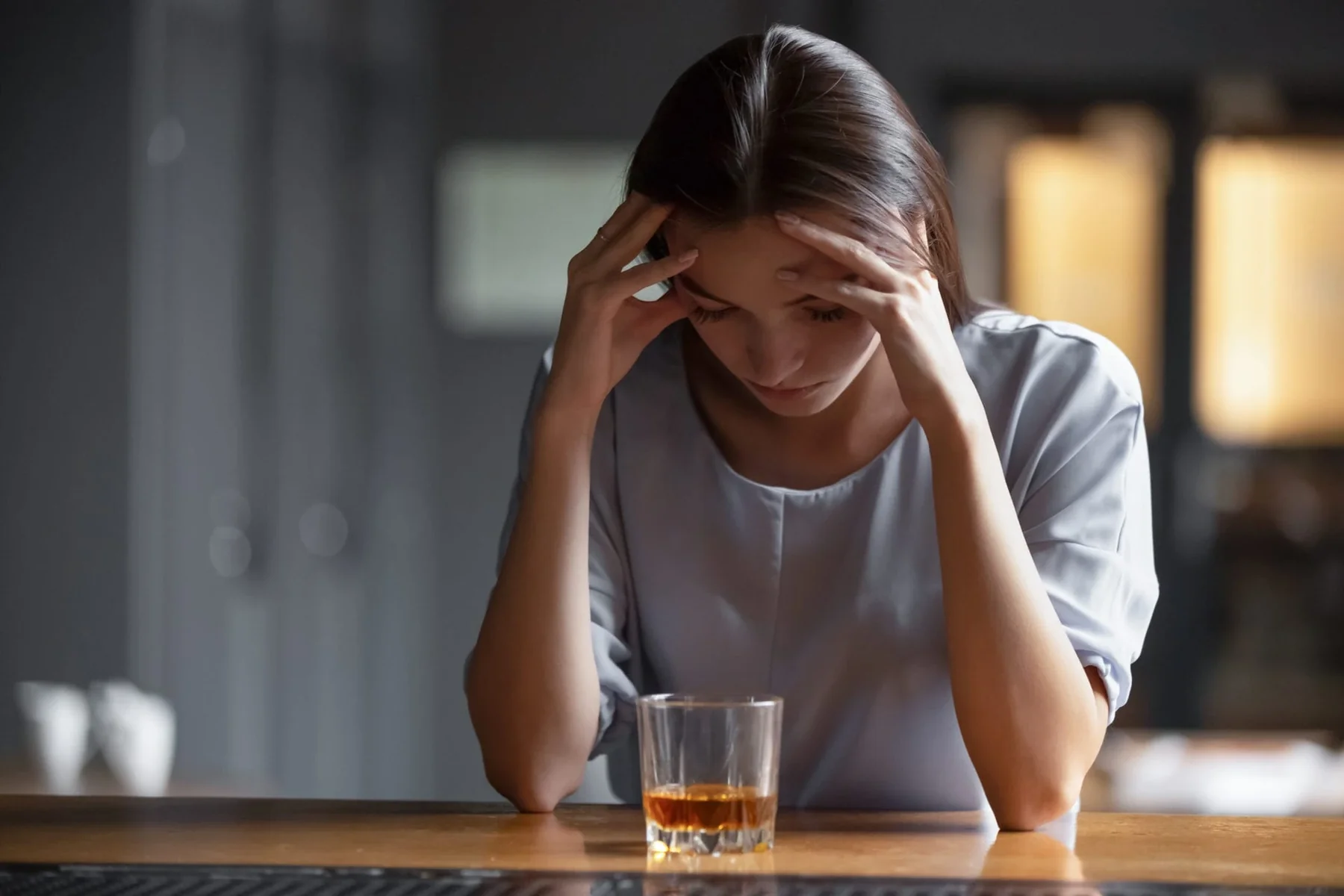
A woman calmly choosing recovery in a supportive setting
Anchored tides saved my life. I had been to an inpantient facility before and my sobriety wasn't lasting, until I found this place. I enjoyed the different groups and the staff and women are so welcoming. I felt so comfortable here, which I hadn't felt before. I now have the confidence to succeed in life. Very thankful for this place.
Brenna Boudreau
Read all reviews on Google

What to know about our women's substance abuse program

  1. A women-only outpatient substance abuse programfor adult women navigating alcohol, opioids, stimulants, benzodiazepines, or polysubstance use across our PHP, IOP, and outpatient levels of care.

  2. Trauma-informed and EMDR-credentialedfor many women, substance use is doing emotional work that trauma, anxiety, or depression has been carrying underneath it.

  3. Integrated with mental health, dual diagnosis, and dietitian caresubstance use rarely shows up alone. Co-occurring conditions are treated as part of the same plan, not as separate referrals.

  4. Medication conversations are substance-specificour psychiatric team discusses evidence-based medication options when clinically appropriate — never assuming that one medication or protocol fits every substance.

  5. No on-site medical detoxwe coordinate medical detox or a higher level of care with trusted partners when withdrawal or medical risk requires it, then continue care with us afterward.

Why women need substance-specific care

The pattern that starts quietly. The support that meets the whole picture.

Alcohol, opioids, stimulants, benzodiazepines, and combinations of substances each carry their own risks and treatment considerations. The larger picture can be just as specific: caregiver fatigue, hormonal cycling, perimenopause, trauma history, professional perfectionism, pain, sleep disruption, and the pressure to keep everything looking manageable. Our assessment makes room for all of it.

See the patterns we treat
A woman resting and reflecting in a quiet setting

What substance use can look like in the women we treat

Substance use isn't a single picture. We treat women across the spectrum.

From a new concern to long-term recovery seeking maintenance — what we treat:

  • Women who have tried to cut back or stop and can't — whether the pattern involves alcohol, prescription medication, opioids, stimulants, or more than one substance.
  • Women whose substance use has become more frequent, private, or difficult to control, even when they planned to use only occasionally.
  • Women whose physical health, sleep, work, relationships, or finances are showing signs that substance use is taking up more space than intended.
  • Women with co-occurring depression, anxiety, PTSD, or eating disorders — where substance use is doing emotional work the rest of her life isn't structured to do.
  • Women in recovery who have relapsed and need to step back into structure without starting from zero.
  • Women in longer-term recovery seeking outpatient maintenance as life conditions shift — divorce, grief, perimenopause, an empty nest, a new job, or a recent loss.

Please do not manage withdrawal alone

Withdrawal risk is substance-specific.

  • Alcohol and benzodiazepine withdrawal can be medically dangerous without medical supervision, including risks such as seizures or delirium.
  • Other substances need their own assessment. Opioid, stimulant, and polysubstance withdrawal can involve different risks, symptoms, medications, and care settings.
  • We don't provide detox on-site. We coordinate placement with trusted medical and detox partners before continuing outpatient care with us.
  • If you are considering stopping heavy alcohol or benzodiazepine use, call us at (866) 329-6639 or 911 before you stop.

Anchored Tides is not a 24/7 crisis line. For immediate crisis, call or text 988, or call 911.

  1. Step 1

    Clinical assessment

    Substance use, mental health, trauma, and life circumstances are looked at together — not as separate intakes. The substance, pattern, route, medical history, and what's underneath it all shape the plan.

  2. Step 2

    Medical care or detox placement if needed

    Withdrawal risk varies by substance, amount, duration, and health history. Alcohol and benzodiazepine withdrawal can be medically dangerous; opioids, stimulants, and polysubstance patterns also require individualized assessment. We coordinate medical detox or another appropriate level of care with trusted partners before outpatient work with us begins when needed.

  3. Step 3

    PHP, IOP, or outpatient placement

    Level of care is a clinical decision based on acuity, life circumstances, and what's needed to make recovery sustainable. Most women begin in PHP or IOP and step down as the clinical picture stabilizes.

  4. Step 4

    Therapy as the core

    Individual therapy, women's-only group therapy, family work, and grief and loss work form the foundation. The alcohol use is treated alongside whatever else is in the picture — not in isolation.

  5. Step 5

    Specialty modalities

    EMDR for trauma at the root, DBT and CBT for skills, Adventure Therapy, Reiki, Sound Healing, Mindfulness, Surf Therapy, and Registered Dietitian support — calibrated to the plan.

  6. Step 6

    Medication-Assisted Treatment (MAT) and psychiatric care

    Medication options, including naltrexone, acamprosate, disulfiram, or other treatments, are discussed according to the substance, symptoms, medical history, and treatment goals. Our psychiatric team considers them when clinically appropriate; they are not universal protocols.

  7. Step 7

    Aftercare planning

    Built into the treatment plan from the beginning — outpatient continuity, alumni connection, long-term relapse prevention, and referrals to trusted sober-living partners when housing is part of the picture.

Levels of care for substance abuse treatment

Available across our outpatient continuum, calibrated to where she is.

PHP is the highest level of care we offer. IOP is the structured weekly program for women holding work and family commitments. OP is the long-horizon maintenance level.

  • Highest outpatient

    PHP

    For women stepping out of detox, women with significant co-occurring conditions, or women whose home environment doesn't support a lower level of care as the starting point.

    Full clinical days, no overnights.

    Read about PHP
  • Structured weekly

    IOP

    Structured programming that lets a woman stay engaged with work, family, and daily life while doing the clinical work.

    Most women hold their professional and parenting commitments here.

    Read about IOP
  • Long-horizon maintenance

    OP

    Lower-frequency clinical support for women in longer-term recovery, women stepping down from IOP, or women whose stability supports a maintenance cadence.

    The clinician doesn't change when the cadence lightens.

    Read about OP

Ready to talk through substance abuse treatment?

A confidential 15-minute call helps figure out where to start — including whether medical care or detox should come first.

Confidential. No obligation. Most major PPO plans accepted.

Insurance coverage for women's substance abuse treatment

Most major commercial plans cover outpatient substance use treatment, including dietitian and psychiatric sessions when they are part of a coordinated clinical plan.

We are happy to verify your benefits prior to any commitment and let you know what your plan covers. Please note: we do not accept Medi-Cal or Medicaid.

In-Network

PPO, HMO, and EPO accepted

Major PPOs Accepted

Out-of-network

Not sure if you’re covered? Verify your insurance in 2 minutes

A diverse group of women holding coffee cups, sitting in a circle in a sunlit living room for a group therapy session

Why women choose Anchored Tides for substance abuse treatment

Built for women. Run by women.

  • Women-only environment

    A dedicated room for the shame, isolation, and pressures that can grow around women's substance use and rarely surface in mixed-gender settings.

  • Built for women’s real lives

    Caregiver fatigue, hormonal cycling, perimenopause, professional perfectionism, trauma, and the pressures around alcohol and other substances are named in the room, not skirted around.

  • Trauma-informed as foundation

    Every clinician is trained in trauma-informed care. EMDR is available for women whose substance use has trauma underneath it.

  • Medication decisions handled clinically

    Medication options are evaluated by our psychiatric team according to the substance, symptoms, and medical history — not offered as a one-size-fits-all solution.

  • Integrated with mental health and ED care

    Substance use rarely shows up alone in the women we treat. Co-occurring conditions are part of the same plan, not separate referrals.

  • Accredited, in-network, female-led

    Joint Commission accredited · NAATP member · DHCS License #300386AP. In-network with most major commercial PPOs.

Our Huntington Beach location

Anchored Tides Recovery

19126 Magnolia St #101
Huntington Beach, CA 92646
(866) 329-6639

Service areas

Women across Orange County and the Southern California coast.

Most women travel in from Newport Beach, Costa Mesa, Huntington Beach, and the wider Southern California coast for our women's substance abuse treatment program.

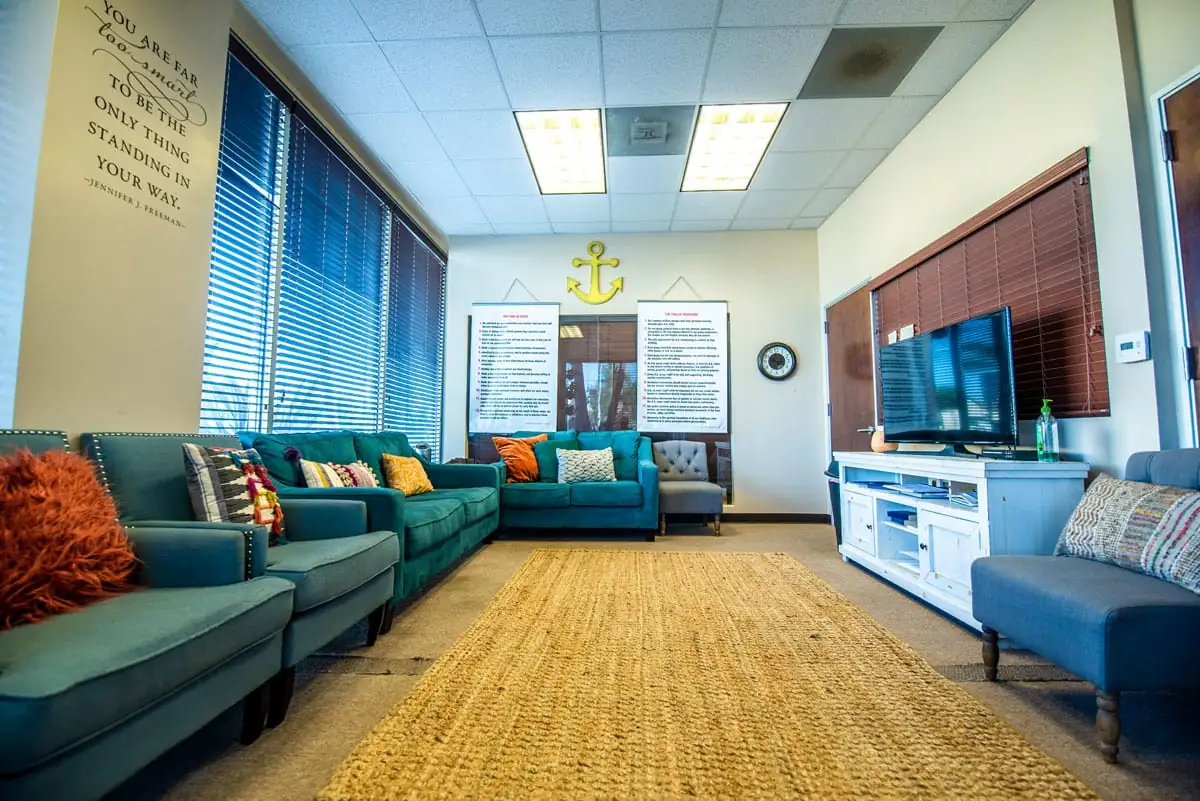
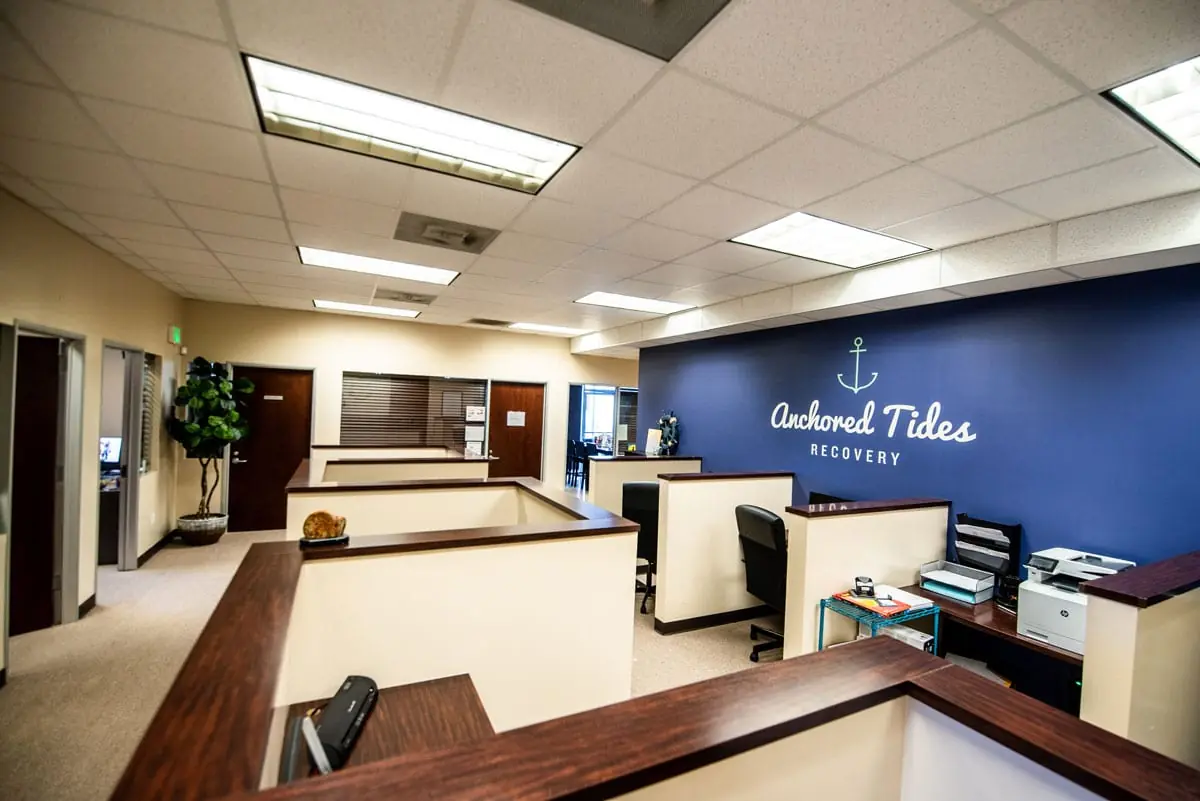
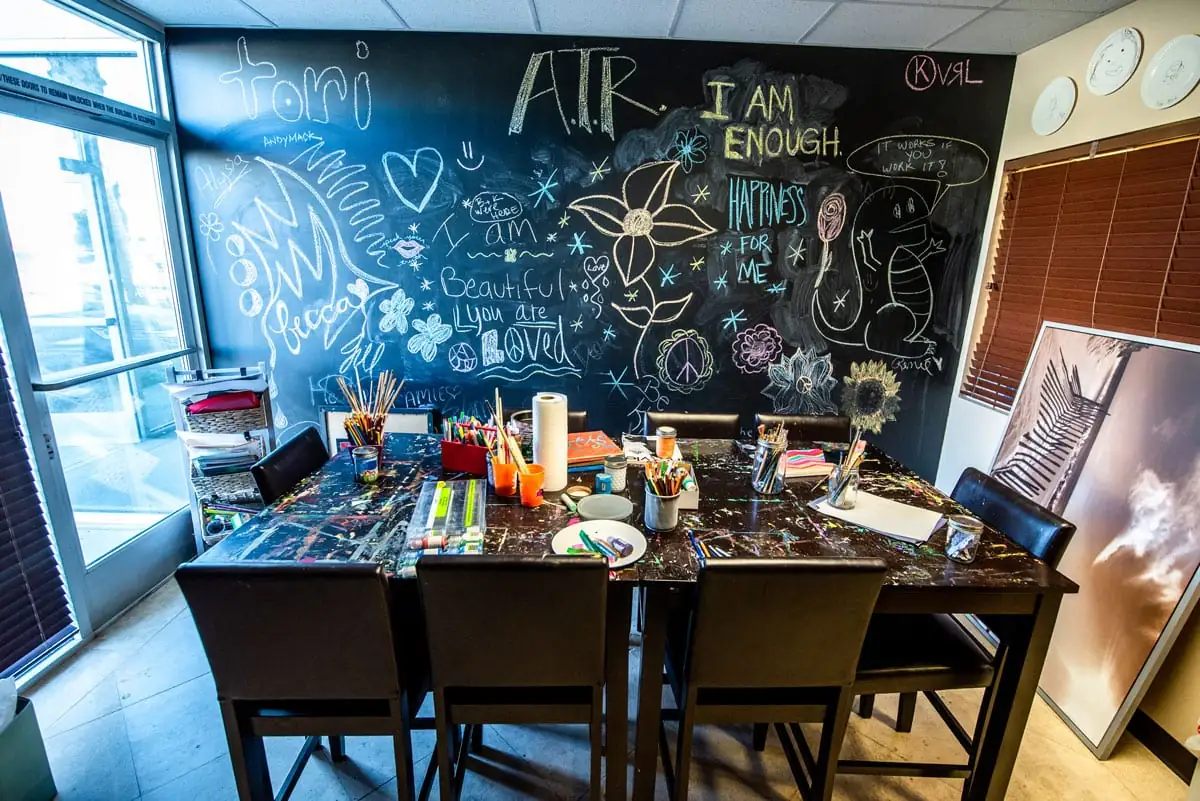
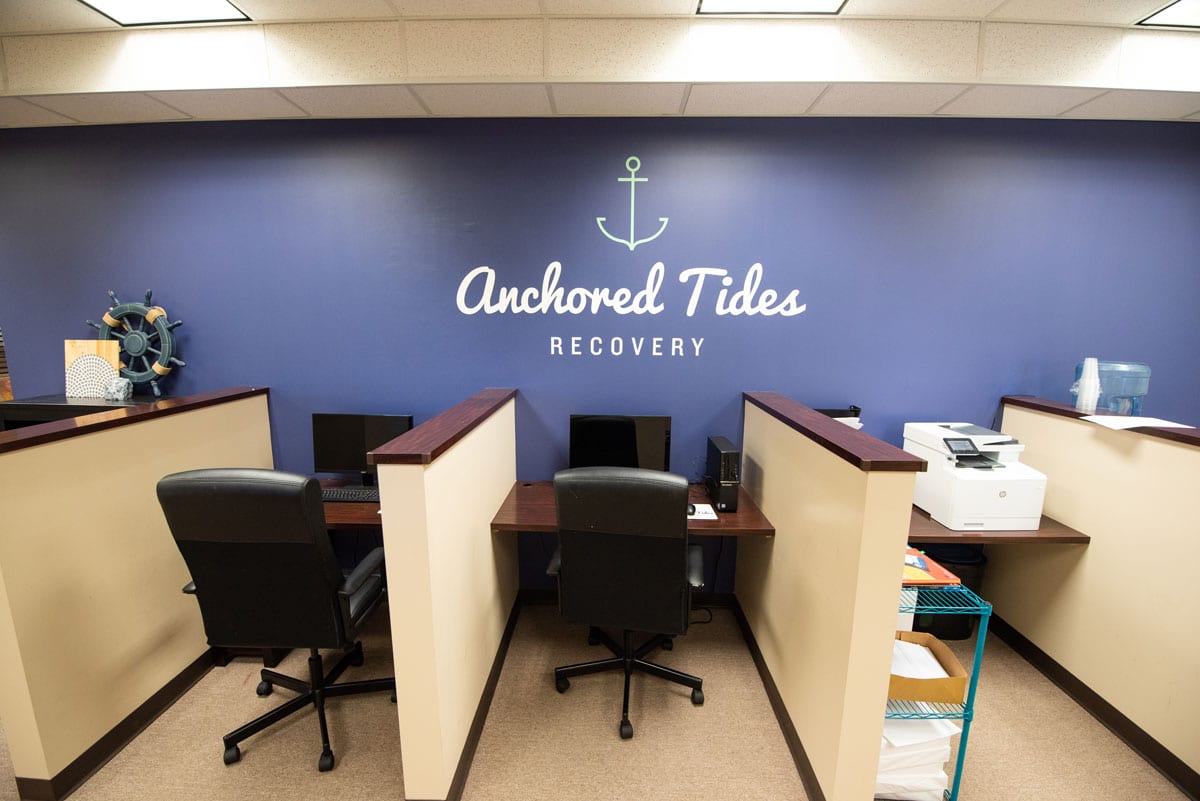
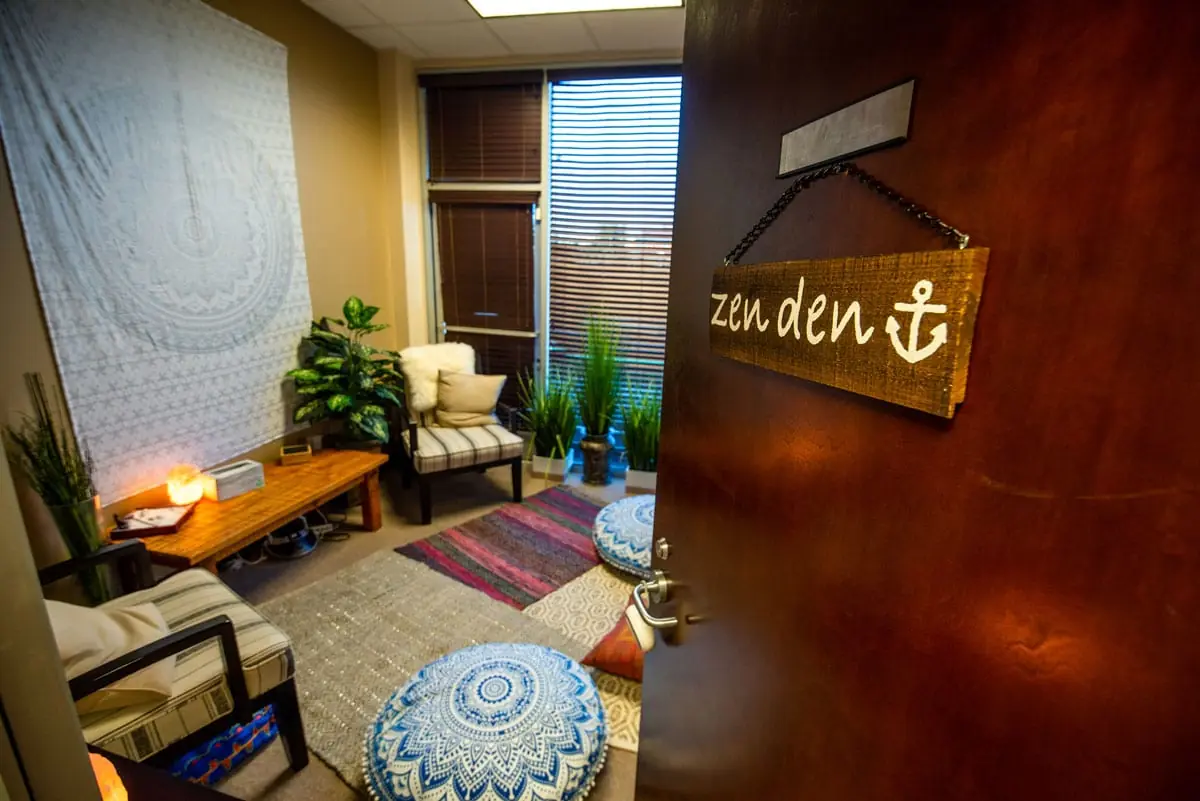
Group therapy room with comfortable seatingQuiet therapy room at Anchored Tides RecoveryQuiet therapy room entrance at Anchored Tides RecoveryAnchored Tides Recovery reception and office areaArt table with chalkboard wall — “I am enough”Anchored Tides Recovery workstations

Where the work happens

“Full days, women only — a room structured to make the recovery work hold.”

Frequently Asked Questions

Frequently Asked Questions

  • No. Anchored Tides is an outpatient program and does not provide on-site medical detox. Withdrawal risk depends on the substance, amount, duration of use, other substances involved, and medical history. Alcohol and benzodiazepine withdrawal can be medically dangerous, including seizures or delirium; opioid, stimulant, and polysubstance withdrawal also need individualized medical guidance. We coordinate with trusted detox and medical partners before outpatient care when needed. If you are considering stopping heavy alcohol or benzodiazepine use, call us or 911 before stopping on your own.

Evidence & accountability

Sources and clinical review

This page was reviewed by Zoe Tambling, LMFT on . The references below informed the specific topics noted with each citation.

  1. The ASAM Clinical Practice Guideline on Alcohol Withdrawal ManagementAmerican Society of Addiction Medicine. Published May 1, 2020Supports: Alcohol-withdrawal risk assessment and the need for an appropriate level of medical supervision
  2. Understanding Alcohol Use DisorderNational Institute on Alcohol Abuse and Alcoholism. Published January 1, 2021Supports: Alcohol use disorder signs, risks, and treatment options
  3. Mental Health and Substance Abuse CoverageHealthCare.gov. Published January 1, 2024Supports: Behavioral-health coverage requirements and the need to confirm benefits with the individual plan