
How Heroin Addiction Affects Mothers and Their Children — and What Recovery Looks Like
Heroin addiction in mothers carries specific risks during pregnancy and afterward — for both the mother and the child. The medical…
Read articleMedication-Assisted Treatment (MAT) — methadone, buprenorphine (Suboxone, Subutex), or naltrexone — is one of the most evidence-based treatments for opioid use disorder. It reduces overdose risk, supports stable recovery, and works particularly well for women when paired with therapy. The biggest barrier most women face isn't medical — it's stigma, particularly within their own families. This guide covers how MAT actually works, what the medications do, and how to have the family conversation when you decide it's right for you.

If you're considering Medication-Assisted Treatment, you're considering one of the most rigorously studied and effective tools in addiction medicine. You may also be considering it under the weight of stigma — from your family, your community, or from yourself. This guide is here to give you the facts, walk through what each medication actually does, and help you think through the family conversation that often sits alongside the medical decision.
Medication-Assisted Treatment combines FDA-approved medications with counseling and behavioral therapies to treat substance use disorders, primarily opioid use disorder (OUD). For some women, alcohol use disorder is also treated with medications (naltrexone, acamprosate, disulfiram), though the term "MAT" most often refers to opioid treatment.
MAT is not "replacing one drug with another." The medications work fundamentally differently from the drugs that caused the disorder — they stabilize the brain's opioid system, reduce or eliminate cravings, and prevent withdrawal, without producing the euphoric high that drove the original addiction. Decades of research show MAT reduces overdose mortality, increases treatment retention, and supports better long-term recovery outcomes than abstinence-only approaches for opioid use disorder.
A long-acting opioid agonist, fully activating the opioid receptors but in a stable, controlled way. Taken once daily, typically at a federally regulated methadone clinic (Opioid Treatment Program or OTP). Effective for severe opioid use disorder, particularly when other medications haven't worked. Strict regulations around dispensing — for many women, the daily clinic visit is both stabilizing structure and a logistical burden.
Common Methadone FAQs:
A partial opioid agonist — activates the receptors enough to reduce craving and withdrawal, but with a "ceiling effect" that limits its abuse potential and respiratory depression risk. Comes in several forms:
Buprenorphine can be prescribed by trained physicians (and increasingly nurse practitioners and PAs) in regular medical offices, removing the daily-clinic burden of methadone. This makes it the most common MAT option for women whose use is in the moderate range.
Subutex vs Suboxone — the difference:
Same active ingredient (buprenorphine); Suboxone adds naloxone. The naloxone is inactive when taken sublingually as directed; it only becomes active if the medication is misused (injected). So Suboxone has an abuse-prevention safeguard that Subutex doesn't. Subutex is used when naloxone isn't appropriate (pregnancy, naloxone sensitivity, induction phase).
An opioid antagonist — blocks the opioid receptors rather than activating them. Taken as a daily pill (Revia) or monthly injection (Vivitrol). Doesn't cause physical dependence. Best suited for women who have completed detox and want to prevent return to opioid use, or for women whose primary issue is alcohol use disorder (naltrexone is FDA-approved for both).
Naltrexone requires being opioid-free for 7-10 days before starting; otherwise precipitates immediate withdrawal. This is a meaningful constraint — many women in early opioid recovery can't tolerate the pre-treatment abstinence window, which is why buprenorphine is often the preferred starting medication.

This is the part that often sits heaviest. Even when the medical decision is clear, the family conversation can be hard. Common challenges and approaches:
This is the most common pushback, often coming from family members who have been hurt by the addiction and want clean abstinence. The honest answer: MAT medications are clinically distinct from the drugs they treat. They're prescribed at stable doses, they don't produce a high, and the research is unambiguous that they reduce overdose mortality and improve recovery outcomes for opioid use disorder. Comparing them to active addiction is medically inaccurate, even when the comparison feels intuitive.
Honest answer: "As long as my clinical team and I think it's the right tool." For some women that's months; for others, years; for some, indefinitely. The duration is clinical, not moral. Insulin for diabetes is also taken indefinitely; nobody asks diabetics how long they'll "need to be on insulin." The frame around chronic medical conditions applies here.
Yes. Recovery is the absence of compulsive use, the rebuilding of life, the integration of self — not the absence of any medication. Some 12-step communities have evolved on this; others haven't. If your family or community is rigid on this point, you may need to find recovery spaces that aren't (SMART Recovery, MAT-friendly NA groups, women's recovery circles, professional therapy).
ATR doesn't provide MAT directly — we coordinate with prescribers and MAT programs to support women whose recovery includes medication-assisted treatment.
If you're considering MAT, already on MAT and looking for therapy support, or navigating the family conversation around it, we can help. Our team works with women across the MAT spectrum and coordinates closely with prescribers.
Call (866) 329-6639 or Verify Your Insurance — confidential, no obligation.
No. This is the most common misconception. MAT medications stabilize the opioid receptors without producing euphoria at therapeutic doses. The research is clear — MAT reduces overdose mortality, improves treatment retention, and supports long-term recovery better than abstinence-only approaches for opioid use disorder. Comparing it to active addiction is medically inaccurate.
Maybe; maybe not. Duration is clinical, individual, and ongoing. Some women taper off after months or years; some remain on MAT long-term because it's working and there's no clinical reason to stop. The question "when can I stop?" should be revisited with your clinical team periodically, not driven by external pressure or arbitrary timelines.
Generally inadvisable, particularly with methadone or buprenorphine. Both medications affect the central nervous system, and alcohol amplifies that effect. Combining significantly increases overdose risk. With naltrexone the picture is different — naltrexone is itself an alcohol-use-disorder medication, so women on naltrexone for OUD also typically aren't drinking. Always check with your prescriber.
Yes, and pregnancy doesn't typically require stopping MAT. Methadone and buprenorphine (Subutex in pregnancy) are both considered standards of care for pregnant women with OUD. Untreated opioid use disorder in pregnancy carries far higher risks to both mother and baby than continued MAT. If you're pregnant or planning pregnancy, work with both your obstetrician and your MAT prescriber on a coordinated plan.
Generally yes — MAT medications and the associated therapy are covered by most major insurance plans, including Medicaid in most states. ATR is in-network with HMOs, EPOs, and PPOs across Blue Shield, BCBS, Anthem, Highmark, Regence, Premera, Multiplan, and Horizon. The admissions team can verify your specific benefits for MAT-adjacent therapy in a confidential conversation.
That's painful and not uncommon. Strategies: don't take family education on as a solo project (clinicians and group programs can support); find recovery community that's MAT-affirming (not all 12-step rooms are, but many are, and SMART Recovery is explicitly so); set limits on how much of the conversation you'll absorb; remember that your recovery is yours, not theirs to credential. Some women whose families don't accept MAT have nonetheless built durable, stable recoveries; family acceptance is helpful but not a clinical requirement.
Evidence & accountability
This page was reviewed by Zoe Tambling, LMFT on . The references below informed the specific topics noted with each citation.
Ready to take the next step?
Call (866) 329-6639 or verify your insurance — confidential, no obligation. Women-only environment, Joint Commission accredited.

Heroin addiction in mothers carries specific risks during pregnancy and afterward — for both the mother and the child. The medical…
Read article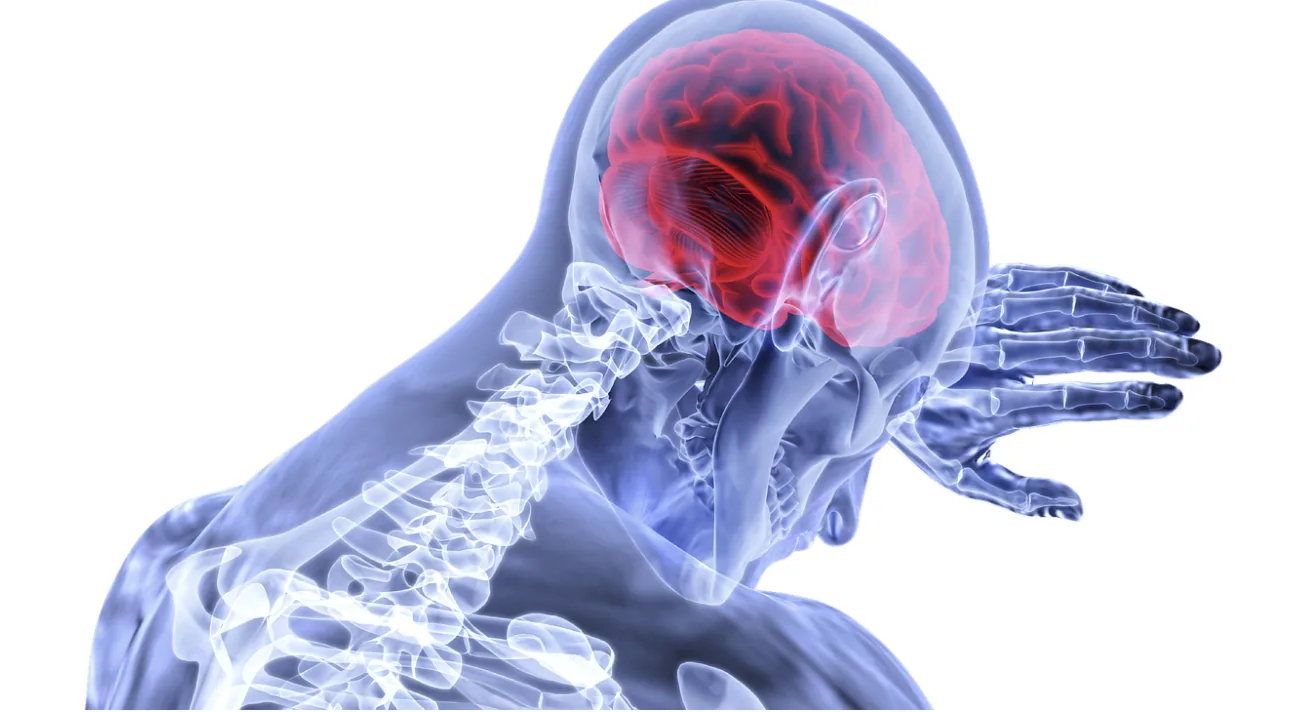
The brain heals substantially after sustained sobriety, but the timeline is longer than most people expect. The acute changes — sl…
Read article
There's no strong evidence that activated charcoal reliably clears THC from your system. Detox shortcuts are mostly myth — real re…
Read article