
How to Actually Quit Drinking — Safely, Kindly, and With Support
Quitting alcohol safely depends on how much and how long you've been drinking. Light drinkers can usually stop on their own; daily…
Read articleFetal Alcohol Syndrome (FAS) is the most severe presentation in the broader Fetal Alcohol Spectrum Disorders (FASD) — a range of physical, cognitive, behavioral, and developmental effects from prenatal alcohol exposure. No safe amount of alcohol during pregnancy has been established; FASD is entirely preventable through abstinence during pregnancy. For women who drank before knowing they were pregnant, the picture isn't immediate alarm — risk varies substantially by timing, amount, and individual factors. For women with alcohol use disorders considering pregnancy, getting into treatment before conception is the strongest protective step.
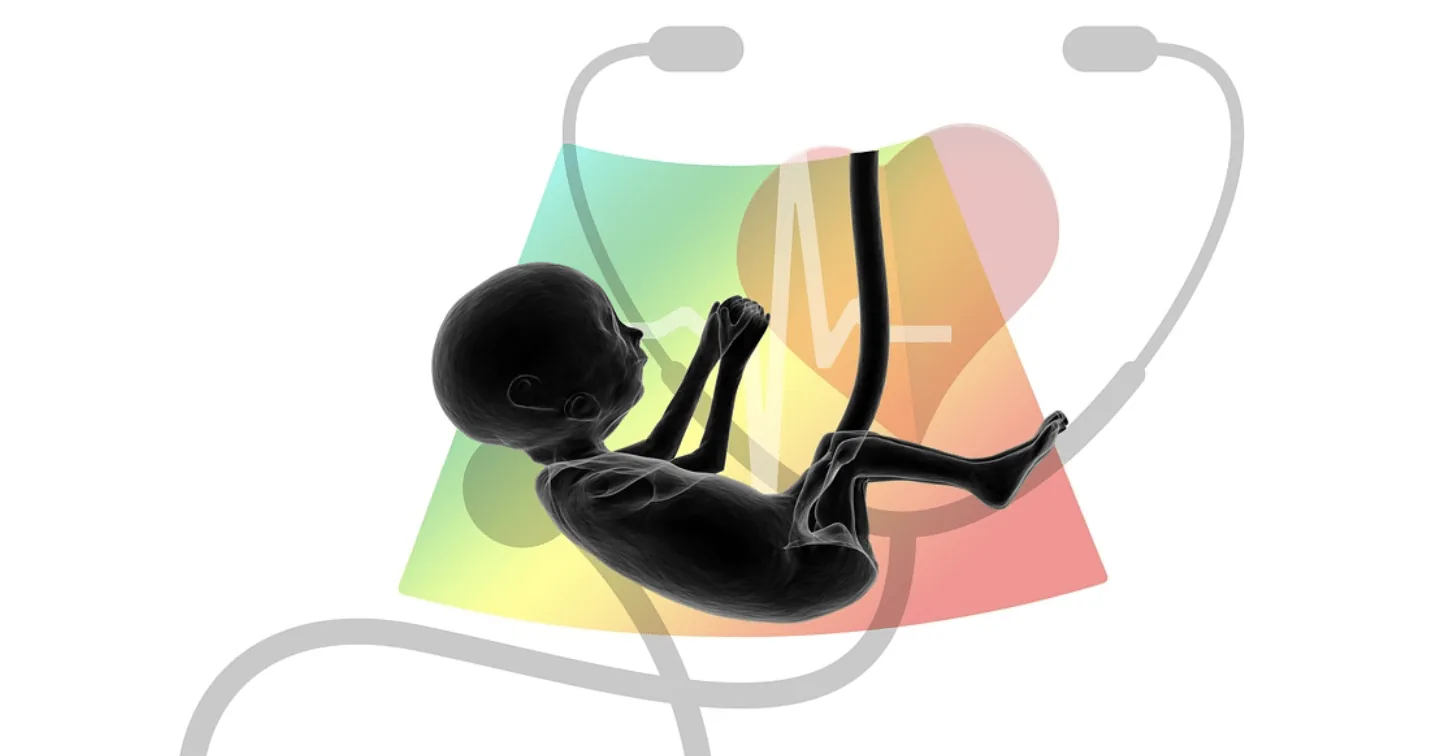
Fetal Alcohol Syndrome and the broader Fetal Alcohol Spectrum Disorders represent one of the most preventable causes of developmental disability — and one of the most stigmatized. The conversation around FAS often combines important medical information with shame and judgment that doesn't help women understand their situations, make decisions, or get support. This guide is honest about what the research shows, what risk looks like in real situations, and how women can navigate this — whether pregnant, planning pregnancy, or supporting someone affected.
FASD is the umbrella term for the range of conditions that can result from prenatal alcohol exposure. Specific diagnoses within the spectrum:
The most clinically recognizable presentation. Features include:
Some but not all features of FAS, with confirmed prenatal alcohol exposure.
Cognitive and behavioral effects from prenatal alcohol exposure without the characteristic physical features. The most common presentation; also the most likely to go undiagnosed.
Physical malformations from prenatal alcohol exposure — cardiac, skeletal, kidney, vision, hearing — without the cognitive features of FAS.
Major medical organizations (CDC, AAP, ACOG, AMA) recommend no alcohol during pregnancy because no level has been established as definitively safe. Some research suggests minimal occasional exposure may carry lower risk than chronic heavy exposure, but "lower risk" isn't "no risk," and no consumption level has been validated as definitively non-harmful.
This is one of the most common situations and one of the most anxiety-producing. Honest framing:
The most protective approach is treatment before conception:

FASD can be present without obvious physical features. Suspect FASD when you see:
Diagnosis is helpful — children with FASD diagnosed early receive interventions that substantially improve outcomes. Pediatric developmental specialists and FASD-specialized clinicians can diagnose.
If you're pregnant and struggling with alcohol use — or planning a pregnancy and your drinking concerns you — a confidential conversation can help you sort out the safest path forward. Treatment during pregnancy is possible, and earlier engagement substantially improves outcomes.
Call (866) 329-6639 or Verify Your Insurance — confidential, no obligation.
No — most women who drank before knowing they were pregnant have healthy children. Risk depends on amount, pattern, timing, and individual factors. Light to moderate drinking in the first 2-3 weeks post-conception generally carries lower risk than later exposure. Honest conversation with your prenatal provider about specific patterns helps them assess and monitor. The most useful step is stopping now if you haven't and engaging in prenatal care.
No medical organization endorses any alcohol consumption during pregnancy because no safe level has been established. Some cultures and historical recommendations have suggested otherwise, but current evidence-based recommendations are clear: no alcohol. Individual situations vary, and the conversation with your prenatal provider can address your specific picture. The strongest protective approach is none.
This is a serious clinical situation that warrants immediate professional support. Active alcohol use disorder during pregnancy creates substantial risk for both you and your fetus. Calling a treatment program that understands pregnancy and addiction is the right step. Don't try to suddenly stop heavy drinking without medical supervision — withdrawal can be dangerous for both you and the fetus. Partner-referral medical detox followed by ongoing treatment is the path.
Generally no, unless physical features are present or significant exposure is documented. ARND — the most common presentation — usually isn't diagnosed at birth. Developmental monitoring through pediatric care helps identify FASD-related concerns as they emerge. Honest disclosure of any exposure to your child's pediatrician supports appropriate monitoring.
Paternal alcohol use doesn't directly cause FAS (which results from maternal exposure to the developing fetus), but it affects FAS risk in important ways. Partner heavy drinking makes maternal abstinence harder, often creates household stress that affects pregnancy, and can be associated with violence that affects pregnancy outcomes. Many treatment programs include family programming that addresses partner use as part of supporting the pregnant woman.
Evidence & accountability
This page was reviewed by Zoe Tambling, LMFT on . The references below informed the specific topics noted with each citation.

Quitting alcohol safely depends on how much and how long you've been drinking. Light drinkers can usually stop on their own; daily…
Read article
Alcohol is one of the least effective long-term relaxation tools — it disrupts sleep, increases anxiety the next day, and trains t…
Read articleAlcohol cravings are normal in recovery and they pass — typically within 15-30 minutes if not acted on. The most evidence-based st…
Read article