
How Long Does Alcohol Stay in Your System?
Alcohol is detectable in blood tests for 12–24 hours, in breath tests for 12–24 hours, and in urine tests for up to 3–5 days (depe…
Read articleAlcohol use disorder is rising faster among women over 50 than any other demographic group in the United States. The reasons are layered — menopause symptoms self-medicated with alcohol, life transitions (empty nest, divorce, retirement, caregiving for aging parents), reduced metabolic tolerance with age, and a wine-as-self-care cultural narrative that disproportionately targets midlife women. Late-onset alcohol use disorder is treatable, and the picture for older women has specific clinical needs that women-centered outpatient programming addresses well.
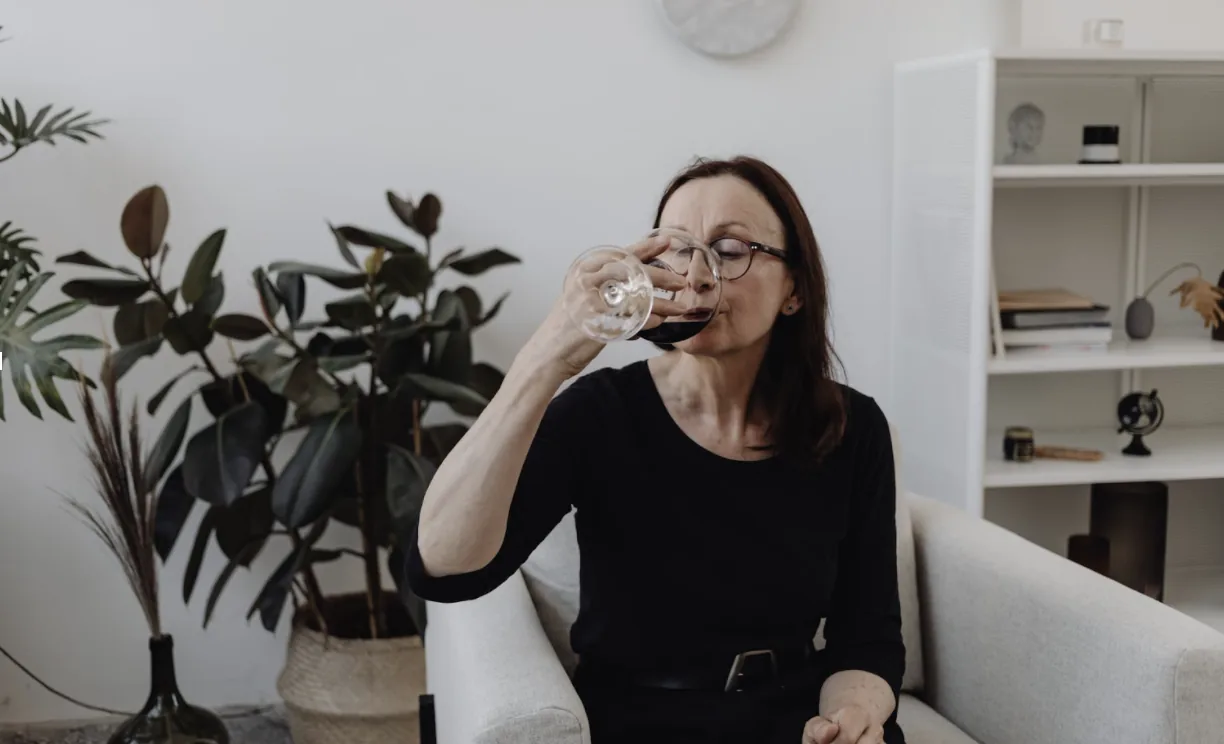
The cultural image of addiction is young. The clinical reality, increasingly, is not. Women over 50 represent the fastest-growing demographic in alcohol use disorder in the United States. Many never had a drinking problem before midlife. Many developed one without recognizing what was happening, because the cultural script for women in their 40s, 50s, and 60s has normalized — even celebrated — daily drinking as stress management, self-care, and connection. This article is for older women, for daughters and partners of older women, and for anyone trying to understand a pattern that the broader conversation hasn't caught up to.
The hormonal shifts of perimenopause (40s) and menopause (typically 50s) produce symptoms that many women self-medicate with alcohol: hot flashes, sleep disruption, anxiety, mood swings, irritability, and a general sense of dysregulation. Alcohol temporarily quiets these symptoms — and worsens them long-term, particularly sleep and mood.
Many older women in treatment describe a similar story: drinking was normal for decades, never seemed like a problem, didn't seem to escalate. Then something shifted in their 40s, 50s, or 60s — and suddenly they were drinking more, more frequently, with less control. Late-bloomer alcoholism is a recognized clinical pattern. Common features:
Many older women aren't textbook "alcoholic" by old definitions — no morning drinking, no DUIs, no obvious chaos. They're in gray-area drinking: drinking that's affecting their health, mood, sleep, relationships, but flying under the radar. Gray-area drinking is alcohol use that's beyond healthy moderation but not yet severe enough to feel like "real" alcoholism. It's where most women in their 40s-60s with problematic drinking actually live.

The picture extends beyond alcohol. Prescription drug misuse — benzodiazepines for anxiety, sleep medications, opioid pain medications — is a significant and underrecognized issue in older women. Common pathways:
These patterns are treatable, often through coordination with prescribers to taper inappropriate medications while addressing underlying anxiety, pain, or sleep issues through other approaches.
Older women in treatment have several factors that often produce better outcomes than younger demographics:
If you've been quietly wondering whether your drinking has gotten away from you — or you're noticing patterns in a mother, partner, or friend — a confidential conversation can clarify what you're looking at. Late-life alcohol concerns are treatable, and there's no age beyond which it's not worth taking seriously.
Call (866) 329-6639 or Verify Your Insurance — confidential, no obligation.
Yes. Late-onset alcohol use disorder is a recognized clinical pattern. Hormonal shifts, life transitions, reduced metabolic tolerance, and cultural permission specific to midlife combine to produce drinking patterns that didn't exist earlier in life. This isn't a moral failure or a sign of something always being underneath — it's a documented clinical phenomenon.
Yes — strongly. Older adults in alcohol treatment have outcomes comparable to or better than younger demographics. The health benefits of stopping are substantial at any age, and many older women describe the remaining years of their lives as substantially improved by recovery. The cultural messaging that says "too late" is wrong.
Sometimes, yes — particularly if drinking has been self-medicating menopause symptoms. The sleep disruption, hot flashes, and mood changes will surface more intensely in early sobriety. The good news: treating the underlying menopause symptoms directly (through medication, hormone therapy if appropriate, sleep approaches, exercise, nutrition) often produces better long-term symptom control than alcohol was providing — without the side effects.
Worth taking seriously. Many medications older women are commonly prescribed interact with alcohol — sleep medications, anti-anxiety medications, pain medications, blood thinners, antidepressants, blood pressure medications. The interactions can be severe even at moderate drinking levels. A conversation with your prescriber about your alcohol use is one of the highest-value health steps available, regardless of whether you decide to change your drinking.
Mixed. Some family members are relieved and supportive. Others are surprised or skeptical — late-onset patterns often don't match the family's image of who you are. Family programming can help everyone navigate the conversation. Some women find that adult children who themselves have addiction experience are the most supportive; others find spouses who are still drinking heavily are the most challenging. Each family situation requires its own approach.
Evidence & accountability
This page was reviewed by Zoe Tambling, LMFT on . The references below informed the specific topics noted with each citation.
Alcohol is detectable in blood tests for 12–24 hours, in breath tests for 12–24 hours, and in urine tests for up to 3–5 days (depe…
Read article
Quitting alcohol safely depends on how much and how long you've been drinking. Light drinkers can usually stop on their own; daily…
Read article
Alcohol is one of the least effective long-term relaxation tools — it disrupts sleep, increases anxiety the next day, and trains t…
Read article