
How to Actually Relax Without Drinking
Alcohol is one of the least effective long-term relaxation tools — it disrupts sleep, increases anxiety the next day, and trains t…
Read articleQuitting alcohol safely depends on how much and how long you've been drinking. Light drinkers can usually stop on their own; daily heavy drinkers need medical supervision because alcohol withdrawal can be life-threatening. The first 72 hours are the most physically risky; the first 30 days are the most behaviorally fragile; the first year is the longest arc of identity rebuilding. With the right support, quitting alcohol is one of the most life-improving decisions women make.

If you've reached the point of seriously considering quitting alcohol, you're already further along than most people who eventually do. This guide is for women who want to stop — whether that's daily heavy drinking, weekend binges, or wine-every-evening that's quietly grown into more than it should be. The honest version of how to do this includes some safety information most casual quit-drinking guides skip.
Alcohol is one of the few substances where unsupervised withdrawal can be medically dangerous. Severe alcohol withdrawal can cause seizures and delirium tremens (DTs), both of which can be fatal. This isn't fear-mongering — it's the reason quitting alcohol is the one substance category where "just stop" advice can actually cause harm.
You probably need medical supervision if:
You can usually quit on your own, with support, if:
When in doubt, talk to a doctor or a clinical addiction professional before stopping. Medical detox is widely available, often outpatient, and frequently covered by insurance. ATR coordinates with trusted detox partners for women who need medical supervision before outpatient programming.
If you're past the safety threshold for unsupervised withdrawal, here's what the early days typically look like physically and emotionally:
If at any point during these days you experience hallucinations, seizures, severe confusion, or chest pain — get to an emergency room. These are signs of severe withdrawal that need immediate medical care.
After the acute withdrawal window, the work shifts from physical to behavioral. Common in this period:
This is the most behaviorally fragile window. Most relapses happen in the first 30-90 days. Structure helps: regular meals, regular sleep, regular check-ins with someone, regular movement, regular meetings if mutual-help is part of your plan.
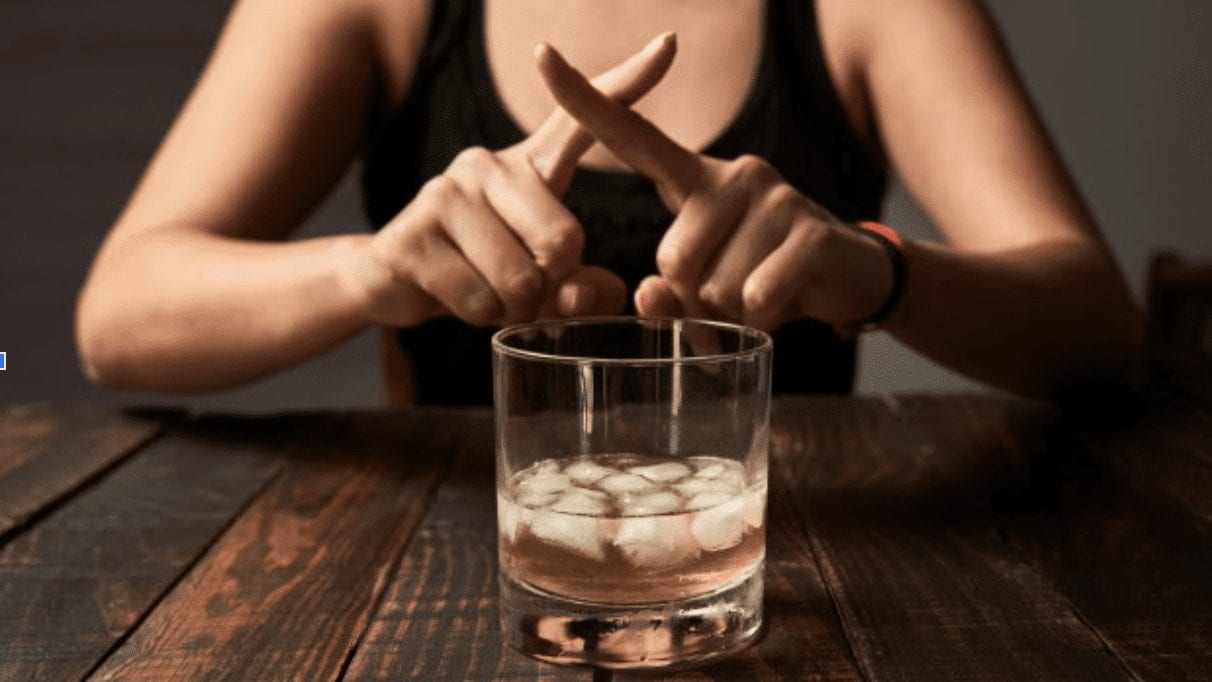
"Today" usually fails because the practical groundwork isn't in place. Pick a date in the next 1-2 weeks. Use the intervening time to prepare.
Whether that's your primary care doctor, a treatment program, or an addiction specialist, get a clinical assessment. The conversation can identify whether medical supervision is needed, whether medications might help (naltrexone, acamprosate, gabapentin), and what treatment level fits.
Clear it out of your house. Yes, all of it. Don't keep "just one bottle for emergencies" — emergency is exactly when you'll reach for it.
You don't have to tell everyone. Pick 2-4 people who are unambiguously supportive and trustworthy. Tell them what you're doing, what you need from them, and what would be unhelpful.
Identify the times, places, and situations that are likely to trigger urges. Make plans for them — what you'll do instead, who you'll call, where you'll go.
Drinking is often woven into rituals — wine while cooking, beer after work, cocktails on Friday. The ritual is half the addiction; you need replacement rituals. Sparkling water with lime, a specific tea, a walk, a phone call. Find rituals that fit the emotional function the drinking was serving.
Clinical treatment if appropriate. Mutual-help (AA, SMART Recovery, Refuge Recovery, women's recovery circles). Therapy specifically for the underlying conditions (anxiety, depression, trauma) that often drive drinking. Online community for early-recovery support.
If you slip, the most important thing is what you do next. Don't extend it into a full relapse. Tell someone. Get back to your support structure. Treat the slip as information, not verdict.
If you've decided you're going to quit — or you're close to it — the right next step is a confidential conversation that can help you map out what safe cessation looks like for you specifically. No pressure, no obligation.
Call (866) 329-6639 or Verify Your Insurance — confidential, no obligation.
Sometimes safely; sometimes not. Light-to-moderate drinkers without significant prior withdrawal can often quit on their own with support. Daily heavy drinkers — particularly those with prior withdrawal symptoms — need medical supervision because alcohol withdrawal can be life-threatening. When in doubt, talk to a doctor before stopping.
Physical symptoms typically peak at 24-72 hours and resolve over 5-7 days. Post-acute withdrawal syndrome (PAWS) — mood swings, sleep disruption, fatigue, anxiety — can last weeks to months. Cravings can persist for years, though they typically reduce significantly over the first 6-12 months.
Often weight loss, sometimes weight gain. Alcohol contains significant calories with no nutritional value; for many women, eliminating those calories leads to gradual weight loss. Some women experience initial weight gain as appetite returns or as sugar cravings (common in early sobriety) drive higher food intake. Most women find weight stabilizes within 6-12 months.
Adjust it, yes; lose it entirely, usually no. Some social spaces (drinking-centric bars, certain friend groups) may not be sustainable. Many others (most restaurants, most events) can be navigated. Some women find new social spaces that don't center alcohol — recovery community, hobby-based groups, sober-curious circles — significantly enrich their post-drinking lives.
Yes — naltrexone (oral or monthly injection), acamprosate, and disulfiram are FDA-approved for alcohol use disorder. Naltrexone is most commonly prescribed; it reduces cravings and the rewarding feeling of drinking. Medications work best in combination with therapy and support, not alone. A prescriber can help you decide if medication is appropriate.
Evidence & accountability
This page was reviewed by Zoe Tambling, LMFT on . The references below informed the specific topics noted with each citation.
Ready to take the next step?
Call (866) 329-6639 or verify your insurance — confidential, no obligation. Women-only environment, Joint Commission accredited.

Alcohol is one of the least effective long-term relaxation tools — it disrupts sleep, increases anxiety the next day, and trains t…
Read article
If you're asking the question, that itself is information. Alcohol use disorder isn't an all-or-nothing label — it exists on a spe…
Read articleAlcohol cravings are normal in recovery and they pass — typically within 15-30 minutes if not acted on. The most evidence-based st…
Read article