
The Honest Answer About What Alcohol Rehab Costs
Alcohol rehab costs vary widely — from a few hundred dollars per week for outpatient with insurance, to $30,000+ per month for lux…
Read articleAlcohol is detectable in blood tests for 12–24 hours, in breath tests for 12–24 hours, and in urine tests for up to 3–5 days (depending on test type). Hair tests can detect alcohol use for up to 90 days. The standard guideline is that the body metabolizes one standard drink per hour, but individual factors — body weight, food intake, metabolism, liver health, and the amount consumed — significantly affect how quickly alcohol clears the system. For heavy drinkers or those with liver impairment, detection windows extend considerably.
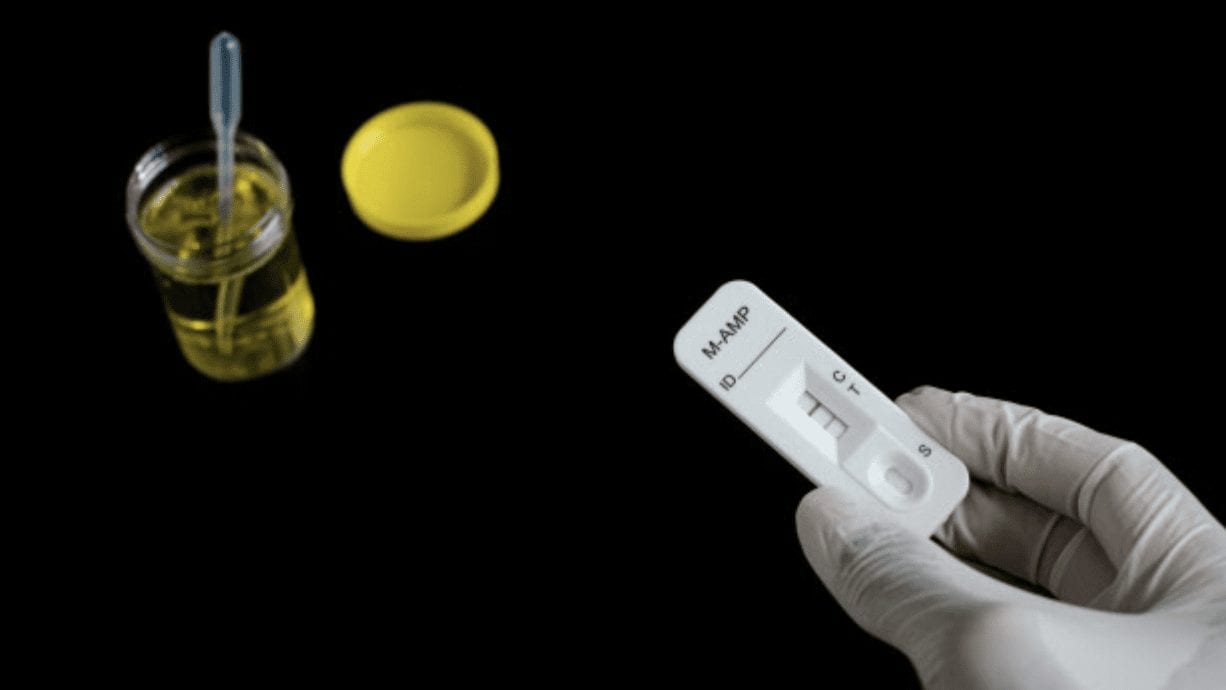
Alcohol is metabolized differently than most other substances. Unlike drugs that may linger in your system for days or weeks, alcohol is processed relatively quickly by the liver — typically one standard drink per hour. However, that's an average. The actual time depends on several factors, and for someone concerned about their drinking patterns, understanding how alcohol is processed is a practical starting point.
Breath tests measure blood alcohol concentration (BAC) indirectly by analyzing alcohol in exhaled breath:
Breath tests are the most common roadside screening tool (DUI stops) and workplace testing method. They're non-invasive and give immediate results.
Blood tests directly measure alcohol concentration:
Blood tests are more accurate than breath tests and are used in medical and legal contexts. They detect lower BAC levels than breath tests.
Urine tests for alcohol are less common but used in some workplace and legal situations:
EtG tests are more sensitive and detect smaller amounts of alcohol, making them useful for monitoring abstinence in treatment or legal contexts.
Hair tests can detect alcohol use over the longest period:
Hair tests are used primarily in custody cases and treatment monitoring to detect patterns of use over months.
The general guideline: the body processes one standard drink per hour.
However, this is an average. Actual metabolism varies considerably.
Body weight. Heavier people metabolize alcohol faster because it distributes across a larger body mass, lowering peak BAC. Lighter people achieve higher BAC from the same amount.
Sex. Women typically metabolize alcohol more slowly than men. Women have less of the enzyme alcohol dehydrogenase (which breaks down alcohol), and they have a higher percentage of body fat (where alcohol concentrates). This means women reach higher BAC levels and stay intoxicated longer than men drinking the same amount.
Food intake. Eating before or during drinking slows alcohol absorption and gives the liver more time to metabolize it. Drinking on an empty stomach means faster absorption and higher peak BAC.
Liver health. The liver does most of the work metabolizing alcohol. Liver disease, cirrhosis, or chronic liver damage significantly impairs metabolism and extends detection windows.
Medications. Some medications inhibit alcohol metabolism, meaning alcohol stays in your system longer. This includes certain antidepressants, antihistamines, and diabetes medications.
Genetics. Variation in alcohol dehydrogenase enzyme activity is partly genetic. Some people naturally metabolize alcohol faster; others slower. This can vary significantly between individuals and ethnic groups.
Stomach contents and enzymes. Some alcohol is metabolized in the stomach (gastric alcohol dehydrogenase). People with less of this enzyme — women, people with certain conditions — absorb more alcohol into the bloodstream before the liver can metabolize it.
Hydration. Dehydration concentrates alcohol in the bloodstream, raising BAC. Hydration doesn't speed metabolism but does dilute blood alcohol.
Tolerance. People who drink regularly may show lower visible signs of intoxication at the same BAC because their brains have adapted. However, actual metabolism speed doesn't change with tolerance — the liver still metabolizes one drink per hour regardless of how often someone drinks.
For heavy drinkers, understanding alcohol metabolism is part of understanding dependence. Alcohol is one of the few drugs where withdrawal can be medically dangerous. If someone has been drinking heavily for an extended period, stopping abruptly can cause seizures, hallucinations, and potentially fatal changes in heart rate and blood pressure (delirium tremens). Medical supervision and potentially medication are necessary for safe withdrawal.
If you're drinking daily, or quantities that concern you, that's worth taking seriously. Professional support — whether through treatment, counseling, or medical management — makes a meaningful difference.
No. The liver metabolizes alcohol at a fixed rate regardless of what you do. Coffee won't sober you up. Cold showers won't speed alcohol clearance. Exercise won't help. Time is the only variable that matters — roughly one drink per hour.
Food slows alcohol absorption (so you don't get as drunk as quickly), but it doesn't speed up metabolism. The liver still processes alcohol at the same rate whether you ate or not. Food is useful for preventing rapid intoxication, not for clearing alcohol faster.
Hydration doesn't affect BAC or alcohol metabolism. Drinking water won't lower your BAC or help you pass a breath test. The test directly measures alcohol in your breath, which is in equilibrium with your bloodstream BAC.
It's a guideline, not a guarantee. Factors like those listed above mean some people metabolize alcohol slightly faster or slower. But as a general rule, one standard drink per hour is reliable for most people.
Intoxication depends on BAC and individual tolerance. You can have alcohol in your system (detectable on a test) without feeling intoxicated if the amount is small or your tolerance is high. Conversely, someone newly sober may feel uncomfortable with cravings even though alcohol has cleared their system.
Evidence & accountability
This page was reviewed by Zoe Tambling, LMFT on . The references below informed the specific topics noted with each citation.

Alcohol rehab costs vary widely — from a few hundred dollars per week for outpatient with insurance, to $30,000+ per month for lux…
Read articleAlcohol cravings are normal in recovery and they pass — typically within 15-30 minutes if not acted on. The most evidence-based st…
Read article
Ativan (lorazepam) is detectable in urine tests for 4–7 days for occasional use and up to 30 days for chronic heavy use. Blood tes…
Read article