
How Long Does Alcohol Stay in Your System?
Alcohol is detectable in blood tests for 12–24 hours, in breath tests for 12–24 hours, and in urine tests for up to 3–5 days (depe…
Read articleAlcohol cravings are normal in recovery and they pass — typically within 15-30 minutes if not acted on. The most evidence-based strategies combine: distraction and delay tactics during the craving itself, medications like naltrexone that reduce craving frequency, structural changes that remove triggers, and underlying treatment for the conditions cravings are often disguising (anxiety, depression, trauma). Cravings reduce significantly over months and years of sobriety — but rarely disappear entirely, which is information rather than failure.
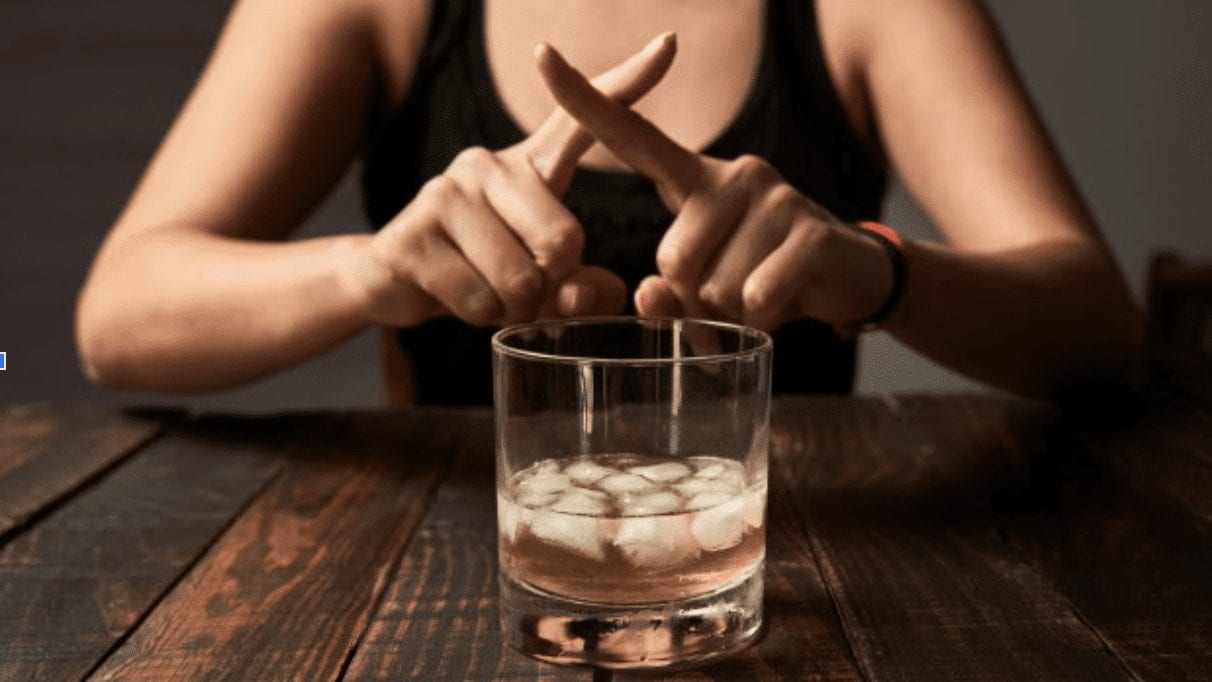
Cravings are one of the most common reasons women relapse, and one of the most misunderstood parts of recovery. Many women describe cravings as evidence they're failing — they shouldn't be wanting it after all this time, they shouldn't be this preoccupied with it. The honest truth is that cravings are normal, expected, and don't mean what they feel like they mean. They're not verdict; they're physiology. Here's what's actually happening, and what actually helps.
Alcohol cravings are a combination of neurobiological and learned responses. After repeated alcohol use, the brain's reward system becomes wired to expect alcohol in specific situations — and to send strong signals ("crave") when those situations arise. The mechanisms:
Most cravings peak within 15-30 minutes and decrease from there if not acted on. The first step is buying that time — telling yourself you'll wait 30 minutes before doing anything about the craving. The craving will pass; the action of drinking would extend the cycle.
Once you've committed to delay, fill the 30 minutes with something. Specific is better than vague:
Mindfulness-based approach: instead of fighting the craving, observe it like a wave. Notice where you feel it in your body. Notice the thoughts. Notice that the feeling rises, peaks, and falls — without you doing anything about it. This sounds simple; it's well-supported by research. The act of observing without acting reduces the craving's intensity and trains your brain to handle future cravings.
Have a few prepared phrases for craving moments:
Naltrexone — oral daily or monthly injection — is FDA-approved for alcohol use disorder. It works by blocking the rewarding effects of alcohol and reducing craving frequency. Many women report substantially fewer cravings within weeks of starting naltrexone. Other medications (acamprosate, gabapentin off-label) can also help. A prescriber can help you decide if medication makes sense for your situation. ATR coordinates with prescribers; we don't prescribe directly.
Cravings are often the surface signal of conditions underneath: anxiety, depression, trauma symptoms, untreated ADHD, hormonal patterns, chronic pain. Treating these conditions through therapy and (when appropriate) medication often dramatically reduces craving frequency. The drinking was solving a problem; the problem doesn't disappear when the drinking stops.
Boring but real. Sleep deprivation amplifies cravings; consistent sleep reduces them. Skipped meals create blood sugar dips that mimic craving signals; regular eating stabilizes them. Regular movement regulates mood and reduces stress reactivity. The foundational stuff matters more than it sounds like it should.
Mutual-help meetings (AA, SMART Recovery, Refuge Recovery, women's recovery circles), online community, alumni networks from treatment. The data on long-term sobriety consistently identifies community as one of the strongest predictors of sustained recovery — and a substantial part of why is that community provides craving support when it's needed.
Sometimes cravings indicate something is shifting in ways that need attention:
These patterns warrant clinical attention — additional therapy, possibly stepping up level of care, addressing what's underneath. Catching the pattern early prevents relapse.
If cravings have been intense, persistent, or destabilizing — or if you're in early recovery and want better tools — a clinical conversation can help you identify what's underneath and what to do about it.
Call (866) 329-6639 or Verify Your Insurance — confidential, no obligation.
Individual cravings typically peak within 15-30 minutes and resolve if not acted on. The cumulative arc — overall frequency and intensity — typically decreases significantly over the first 6-12 months of sobriety, with continued reduction over years. Most women in long-term recovery still experience occasional cravings, particularly under stress, but they become brief and manageable rather than overwhelming.
For some women yes; for many no. "Completely gone" is not the standard recovery is built on. The standard is cravings that are infrequent, brief, and don't drive behavior. Many women in 10+ years of sobriety report occasional cravings — usually tied to specific stressors — and that the cravings are information now rather than emergencies.
Generally yes. Sparkling water with lime, a strong tea, an interesting non-alcoholic drink can scratch some of the ritual itch without the substance. Be cautious about NA beer and NA cocktails — for some women they help; for others they're triggering precisely because they're so close to the real thing. Your honest read on yourself matters here.
Persistent severe cravings warrant clinical attention. Possible explanations: insufficient time has passed; untreated underlying condition (anxiety, depression, trauma); naltrexone or other medication might help; you're under-supported in this period of recovery; environmental triggers are too intense. A clinical conversation can help locate what's not working.
No. Cravings are normal physiology of post-addiction brain function, not evidence of recovery failure. What matters isn't whether you have cravings; it's what you do with them. Riding out a craving without drinking is a small victory of recovery, not a small failure of it.
Evidence & accountability
This page was reviewed by Zoe Tambling, LMFT on . The references below informed the specific topics noted with each citation.
Ready to take the next step?
Call (866) 329-6639 or verify your insurance — confidential, no obligation. Women-only environment, Joint Commission accredited.
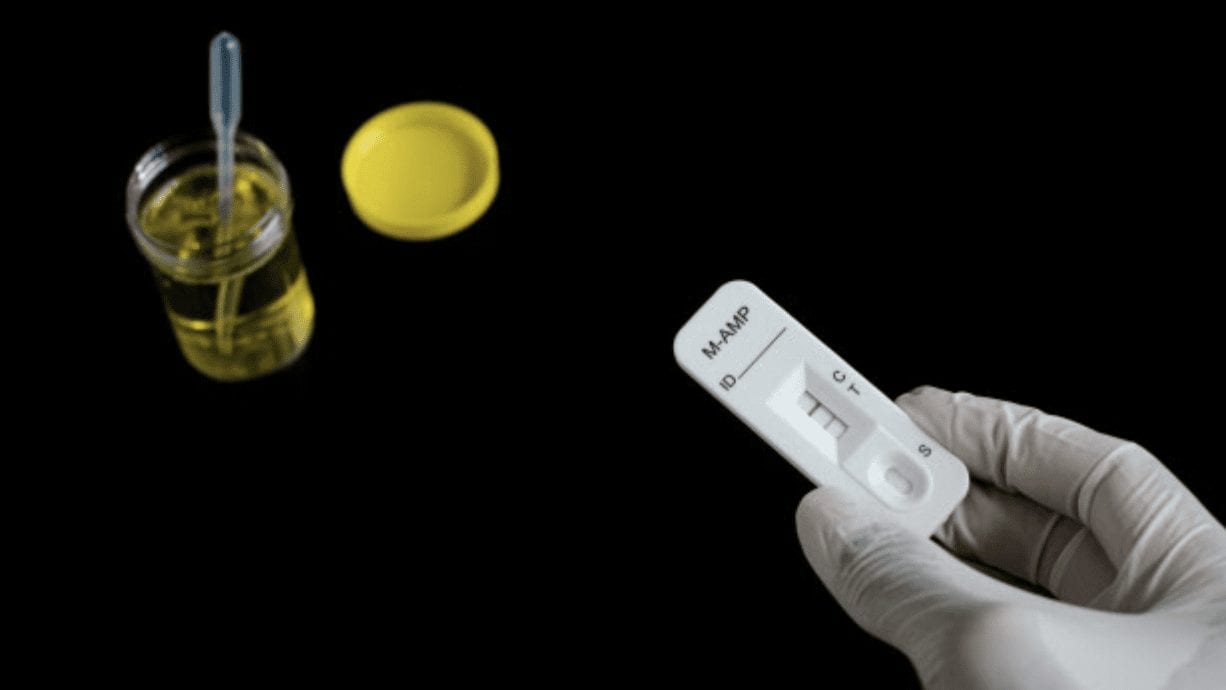
Alcohol is detectable in blood tests for 12–24 hours, in breath tests for 12–24 hours, and in urine tests for up to 3–5 days (depe…
Read article
Quitting alcohol safely depends on how much and how long you've been drinking. Light drinkers can usually stop on their own; daily…
Read article
Alcohol is one of the least effective long-term relaxation tools — it disrupts sleep, increases anxiety the next day, and trains t…
Read article