
How Long Does Alcohol Stay in Your System?
Alcohol is detectable in blood tests for 12–24 hours, in breath tests for 12–24 hours, and in urine tests for up to 3–5 days (depe…
Read articleAlcohol rehab costs vary widely — from a few hundred dollars per week for outpatient with insurance, to $30,000+ per month for luxury residential without insurance. The most important variable is whether the program is in-network with your insurance. For women using in-network outpatient programs, out-of-pocket costs typically range from $0 to a few thousand dollars total, depending on plan deductible and coinsurance. The honest version of this answer requires knowing your specific situation — which a confidential conversation can clarify in minutes.

If you're researching cost, you're not alone — financial concern is one of the top three reasons women delay treatment, even when they know they need it. The internet is full of either alarming sticker prices ("$60,000 for a month of rehab!") or unhelpfully vague ranges. The actual cost depends on a manageable number of specific factors, and the answer for your situation is usually clearer than the panic about it suggests.
Out-of-pocket without insurance: $1,500 - $15,000. With in-network insurance: typically $0 - $2,000, depending on deductible. ATR doesn't provide in-house detox — we coordinate with trusted partner facilities, and the cost depends on the specific partner and your insurance benefits.
Out-of-pocket without insurance: $5,000 - $80,000+. With in-network insurance: typically $500 - $10,000, depending on plan. The wide range reflects the difference between standard commercial residential and luxury residential. ATR doesn't provide residential — we refer to trusted partners when this level is needed.
Out-of-pocket without insurance: $7,000 - $30,000. With in-network insurance: typically $0 - $5,000. PHP is intensive (5-6 hours/day, 5 days/week) — for women who need substantial structure without 24-hour care.
Out-of-pocket without insurance: $3,000 - $10,000. With in-network insurance: typically $0 - $2,500. The most common entry point for women whose situation doesn't require PHP or higher. IOP fits alongside work and caregiving for many women.
Out-of-pocket without insurance: $1,000 - $5,000. With in-network insurance: typically $0 - $1,500 for the full course. The least intensive level, appropriate for women in later stages of recovery or with milder presentations.
This is the single biggest cost driver. In-network means the treatment program has a contract with your insurance company; out-of-network means it doesn't. In-network treatment typically costs 60-90% less out-of-pocket than out-of-network at the same program.
Most major insurance plans are required by federal law (the Mental Health Parity and Addiction Equity Act) to cover substance use disorder treatment at the same level as other medical conditions. This means that if your plan covers hospitalizations or specialist visits, it almost certainly covers addiction treatment in some form.
For a woman with a $3,000 deductible and 20% coinsurance using in-network outpatient treatment, the total out-of-pocket for a course of IOP is typically $3,000 - $5,000 — significantly less than the $10,000+ sticker price.
Anchored Tides Recovery is in-network with HMOs, EPOs, and PPOs across Blue Shield, BCBS, Anthem, Highmark, Regence, Premera, Multiplan, and Horizon — a combination most women's treatment centers in Orange County don't offer.
Why this matters specifically: HMO and EPO plans typically require in-network providers for coverage. A program that's only in-network with PPOs (the most common situation) is effectively unavailable to women on HMOs. ATR's HMO acceptance opens treatment to women whose insurance would otherwise have left them with significantly higher out-of-pocket costs.
To find out what your specific plan covers at ATR, a confidential admissions conversation can verify benefits in minutes. No obligation, no commitment.

If you're uninsured, on a plan that doesn't cover treatment, or facing barriers like high deductibles, several options exist:
This isn't a guilt frame — it's a financial frame. The cost of continued alcohol use disorder in a typical year often exceeds the cost of treatment:
Most women look back on treatment cost as the most cost-effective spending they did during their drinking years.
The honest path: a confidential admissions conversation. In 15-20 minutes, an admissions counselor can:
This conversation is free, confidential, and carries no obligation. It's the same conversation we have with women regardless of whether they ultimately come to ATR or another program.
If cost is part of what's been holding you back, the next step is a real conversation about your real situation. We can tell you in 20 minutes what treatment would actually cost you — no sales pressure, no obligation.
Call (866) 329-6639 or Verify Your Insurance — confidential, no obligation.
Yes, in nearly all cases for plans that cover medical care. Federal parity law requires equal coverage for substance use disorders. The specific coverage depends on your plan — deductible, in-network status, type of plan.
With in-network insurance, typically $0 - $2,500 total for a course of IOP. Without insurance, typically $3,000 - $10,000. Outpatient is significantly less expensive than residential.
Wide range — $5,000 - $80,000+ for 28-90 days, depending on facility quality and amenities. With in-network insurance, typically $500 - $10,000 out-of-pocket. ATR doesn't provide residential treatment — we refer to trusted partners when needed.
Financially, almost always yes. The accumulated cost of untreated alcohol use disorder (medical, legal, occupational, relational) typically exceeds treatment cost within 1-3 years. The non-financial value — to the woman herself and to her family — is harder to quantify but consistently described by women in recovery as the most important investment they ever made.
Often yes — through state programs, Medi-Cal, payment plans, sliding-scale programs, or scholarships. A confidential admissions conversation can help you identify the options available for your specific situation.
Evidence & accountability
This page was reviewed by Zoe Tambling, LMFT on . The references below informed the specific topics noted with each citation.
Ready to take the next step?
Call (866) 329-6639 or verify your insurance — confidential, no obligation. Women-only environment, Joint Commission accredited.
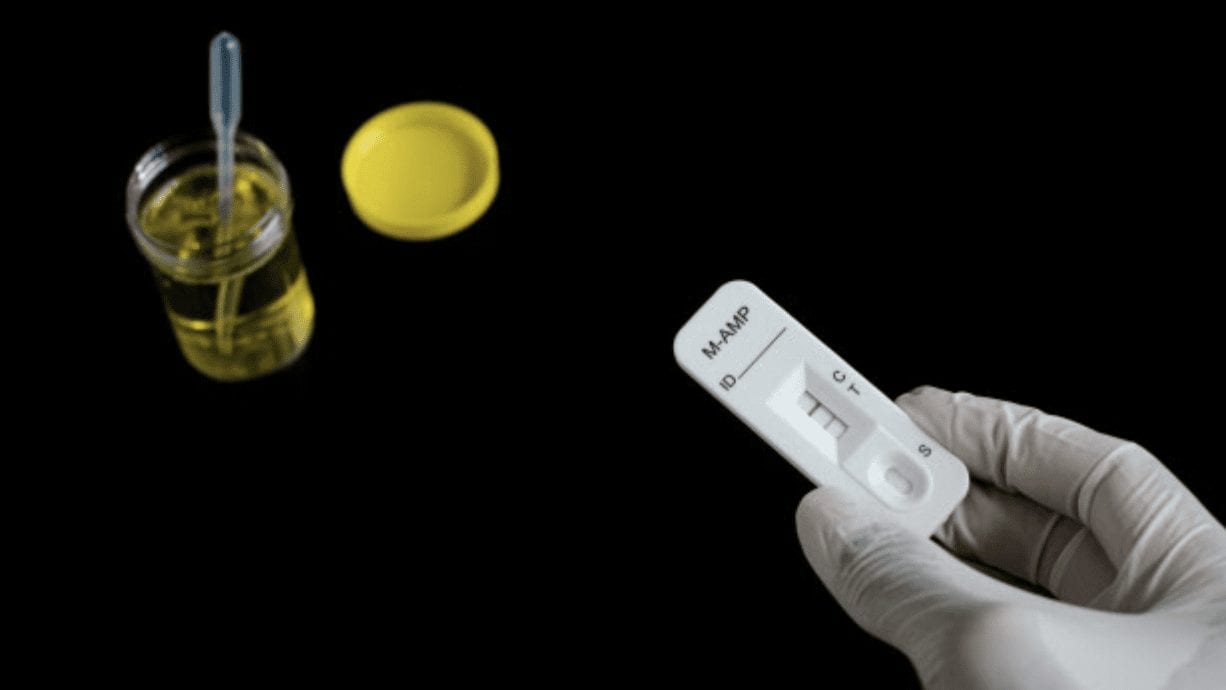
Alcohol is detectable in blood tests for 12–24 hours, in breath tests for 12–24 hours, and in urine tests for up to 3–5 days (depe…
Read articleAlcohol cravings are normal in recovery and they pass — typically within 15-30 minutes if not acted on. The most evidence-based st…
Read article
Quitting alcohol safely depends on how much and how long you've been drinking. Light drinkers can usually stop on their own; daily…
Read article