
A Complete Guide to MAT for Women in Recovery
Medication-Assisted Treatment (MAT) — methadone, buprenorphine (Suboxone, Subutex), or naltrexone — is one of the most evidence-ba…
Read articleFentanyl is a synthetic opioid 50-100x more potent than morphine. It's behind the majority of overdose deaths in the United States today and is increasingly contaminating the broader drug supply — including cocaine, methamphetamine, and counterfeit prescription pills. Fentanyl addiction is treatable, but the path requires medical attention because withdrawal is severe and overdose risk is high. Medication-assisted treatment (methadone, buprenorphine) is the standard of care. Recovery is possible — and the women's-specific picture matters because women are dying at the fastest-rising rates of any demographic.
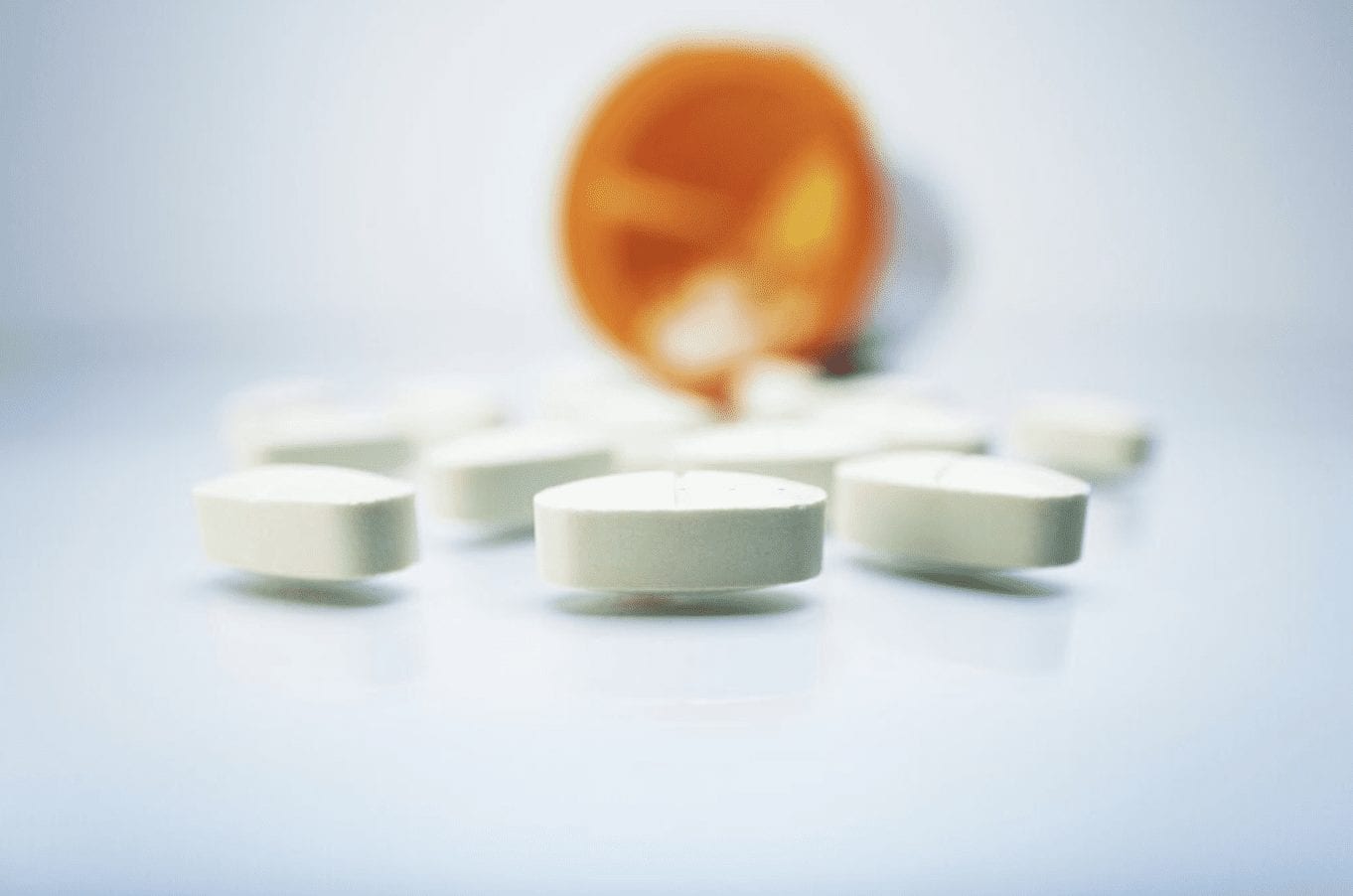
Fentanyl has fundamentally changed the addiction landscape over the past decade. Substances that used to be reasonably predictable have become deadly. Overdose patterns that used to be rare have become routine. And women — long less visible in the public conversation about the opioid crisis — are dying at faster-rising rates than any other group. This guide covers what fentanyl actually is, why it's so dangerous, what addiction to it looks like, and what treatment involves.
Fentanyl is a synthetic opioid originally developed for severe pain management — surgical anesthesia, end-of-life care, and breakthrough cancer pain. It's roughly 50-100x more potent than morphine and 50x more potent than heroin. In legitimate medical use, fentanyl is precisely dosed and monitored; pharmaceutical fentanyl can be lifesaving.
The fentanyl driving the current overdose crisis is largely illicit fentanyl — manufactured in clandestine labs, primarily in Mexico and previously in China, then trafficked into the United States. Illicit fentanyl is dramatically more potent per volume than other opioids, making it both highly profitable for traffickers and exceptionally dangerous for users.
Pathways into fentanyl addiction vary:
Once dependence develops, the cycle is severe: withdrawal symptoms are intense, cravings are powerful, and the only way to function without withdrawal is continued use. This is why medical treatment matters — willpower alone rarely interrupts the cycle.

Fentanyl overdose is a medical emergency. Signs include:
If you suspect a fentanyl overdose:
California's Good Samaritan law provides legal protection for people who call 911 to report an overdose, even if controlled substances are present. The fear of legal consequences should never prevent calling for help.
Fentanyl withdrawal is severe and typically requires medical management:
ATR doesn't provide in-house detox. Women needing detox for fentanyl are referred to trusted partner facilities, then continue with ATR's outpatient programming once medically stable.
The standard of care for opioid use disorder, including fentanyl addiction. Options:
MAT reduces overdose mortality by approximately 50% and significantly improves treatment retention. ATR coordinates with prescribers — we don't prescribe MAT directly but support women on MAT throughout their outpatient treatment.
Opioid use disorder commonly co-occurs with depression, anxiety, trauma, chronic pain, and other substance use. Integrated treatment addresses all of these together.
Women in recovery from fentanyl addiction — and their families — should have naloxone available. It's available without prescription at most pharmacies in California.
Fentanyl addiction is treatable. The path requires medical support and integrated care — but recovery is real, and the data on MAT plus therapy is solid. If you or someone you love is navigating this, a confidential conversation can help map out the next step.
Call (866) 329-6639 or Verify Your Insurance — confidential, no obligation.
Faster than most substances. Physical dependence can develop within weeks of regular use. Psychological dependence often develops alongside. Because fentanyl is so potent, even short periods of regular use can establish patterns that are difficult to interrupt without clinical support.
Yes. Fentanyl contamination is widespread in the illicit drug supply. Counterfeit pills sold as Adderall, Xanax, Percocet, or other medications frequently contain fentanyl. Cocaine and methamphetamine increasingly contain fentanyl. The only reliably safe medications are those from licensed pharmacies with verified prescriptions. Fentanyl test strips are available and recommended for harm reduction; they can detect fentanyl in many substances before use.
Yes, though it requires medical support. MAT (buprenorphine, methadone, or naltrexone) is the standard of care and dramatically improves outcomes. Combined with therapy and support, sustained recovery from fentanyl addiction is achievable. The key is not trying to do it alone — medical treatment significantly improves both survival and recovery.
If you or someone close to you uses opioids, yes. Naloxone (Narcan) is available without prescription at most pharmacies in California. It can reverse opioid overdose if administered quickly. Multiple doses may be needed for fentanyl. Family members and friends should know how to use it.
Maybe; maybe not. Duration of MAT is a clinical decision made with your prescriber based on stability, ongoing risk factors, and individual response. Some women taper off MAT after a year or two; others remain on MAT long-term because it's working. The duration is clinical, not moral — staying on MAT is not failure, and stopping isn't required to be "really in recovery."
Evidence & accountability
This page was reviewed by Zoe Tambling, LMFT on . The references below informed the specific topics noted with each citation.
Ready to take the next step?
Call (866) 329-6639 or verify your insurance — confidential, no obligation. Women-only environment, Joint Commission accredited.
Medication-Assisted Treatment (MAT) — methadone, buprenorphine (Suboxone, Subutex), or naltrexone — is one of the most evidence-ba…
Read article
There's no strong evidence that activated charcoal reliably clears THC from your system. Detox shortcuts are mostly myth — real re…
Read article
Cannabis use disorder is a recognized clinical condition, increasingly common as high-potency cannabis products have become widely…
Read article