
What Pregnant Women Should Know About Getting Help for Addiction
Addiction during pregnancy is a sensitive and often shame-laden experience — and one where getting support quickly matters most. O…
Read articleHeroin addiction in mothers carries specific risks during pregnancy and afterward — for both the mother and the child. The medical risks are documented; so are the recovery paths. Addiction is a disease, not a moral failure. Treatment exists, support exists, and many women in long-term recovery rebuilt their lives and their relationships with their children after the worst of it.

Many women don't realize how their personal struggles affect the people around them — and many do, painfully aware, every day. In treatment settings, we've seen families wrestling with the consequences of one parent's addiction, with the children often as the quieter casualties. This article is for the mother who's afraid to ask for help, and for the family member trying to understand what's happening. Addiction is a disease. So is recovery — and recovery is real.
Most people don't set out to use heroin. The path is more often this:
A car accident, a fall, a surgery, a chronic pain condition — and a legitimate prescription for opioid pain medication. The medication works. Tolerance builds. The original prescription runs out, but the pain (physical, emotional, or both) is still there. Some women ration. Some seek additional prescriptions. Some, when prescription access closes and the cost climbs, find that heroin is cheaper and more available — and chemically similar enough to the prescription opioids that started it.
This is the opioid epidemic in a sentence. The transition from prescribed pain medication to heroin is one of the most documented patterns in public health over the past two decades. And it happens to women who were doing exactly what their doctors recommended.
Yes — and not just rhetorically. The American Medical Association, the American Society of Addiction Medicine, and the National Institute on Drug Abuse all classify addiction as a chronic brain disease. The brain changes that occur with opioid use disorder are visible on imaging. The compulsive behavior is downstream of those changes.
This matters because the framing affects the response. Diseases get treated. Moral failures get punished. The shift in framing isn't about removing responsibility — it's about creating the conditions for recovery to be possible.
The data: in 2019, about 7% of pregnant women reported using prescription opioid pain relievers. Of those, 1 in 5 reported misuse.
Women face unique addiction issues that intersect with pregnancy in specific ways:
When a baby is exposed to opioids in utero, the baby develops physical dependence the same way the mother did. After birth, when the placental supply stops, the baby goes through withdrawal — that's NAS. Symptoms can include tremors, irritability, feeding difficulties, breathing problems, low birth weight, and elevated risk of seizures.
Babies with NAS need specialized care after birth, often in a NICU. With appropriate medical management, most babies recover. The long-term outcomes depend significantly on the post-birth environment — stable caregiving, the mother's recovery, early intervention services if needed.

Two truths that need to coexist:
First: heroin use during pregnancy carries real medical risks for the baby. That's clinical reality, not a judgment.
Second: a woman who asks for help during pregnancy is doing the single most protective thing she can for her baby. Untreated opioid use disorder during pregnancy is more dangerous to the fetus than supervised medication-assisted treatment (MAT) like methadone or buprenorphine, which is the current standard of care. Asking for help is not the same as failing. It's the opposite.
The cultural fear that asking for help guarantees custody loss is largely inaccurate. Demonstrating engagement with treatment is typically protective. Specifics vary by state and substance; an attorney or treatment team familiar with your state can give you accurate information about your situation.
Beyond pregnancy, children whose mothers have ongoing addiction face cumulative impacts that are well-documented in the research:
None of this is destiny. Children of mothers in long-term recovery often recover from earlier disruption — particularly when the mother's recovery is sustained and includes work on the mother-child relationship. The earlier and more sustained the recovery, the better the long-term outcomes for the children.
Anchored Tides Recovery is a women's-only outpatient program in Huntington Beach, California — designed around the realities women, including mothers, actually face.
If you're a mother — pregnant, postpartum, or further along in motherhood — struggling with addiction, please reach out. The shame is loud. The help is real. Confidential conversation, no obligation.
Call (866) 329-6639 or Verify Your Insurance — confidential, no obligation.
The framing matters because the response depends on it. Major medical bodies — AMA, ASAM, NIDA — classify addiction as a chronic brain disease. The behaviors associated with addiction are downstream of brain changes that affect impulse control, reward processing, and decision-making. Treating addiction as a disease doesn't remove responsibility for recovery; it creates the framework where recovery is possible.
Contact a treatment team today. Do not stop using abruptly without medical supervision — withdrawal during pregnancy can be dangerous for the baby. The standard of care is typically medication-assisted treatment (methadone or buprenorphine) under provider supervision, alongside therapy. ATR coordinates with MAT providers and supports the therapy side of treatment for pregnant women. The conversation is confidential and obligation-free.
Babies with NAS typically need specialized care after birth, often in a NICU. Medical teams manage the withdrawal with medications and supportive care. Most babies recover with appropriate treatment. Long-term outcomes depend significantly on the post-birth environment — stable caregiving, the mother's continued recovery, early intervention services if needed. Many children born with NAS develop normally.
Specifics vary by state and circumstance, but the cultural assumption that seeking help means losing custody is largely inaccurate. Child welfare systems typically view engagement with treatment as protective. The bigger risk to custody is untreated addiction visible to outside observers (teachers, doctors, family members). A treatment team or attorney familiar with your state's laws can give you accurate information specific to your situation.
Often yes — though it takes time and intentional work. Family therapy, consistent presence over time, age-appropriate honesty (with younger and older kids navigated differently), and sustained recovery are the components most often associated with successful rebuilding. Many mothers in long-term recovery describe their current relationships with their children as deeper and more honest than they were before active addiction.
Evidence & accountability
This page was reviewed by Zoe Tambling, LMFT on . The references below informed the specific topics noted with each citation.

Addiction during pregnancy is a sensitive and often shame-laden experience — and one where getting support quickly matters most. O…
Read article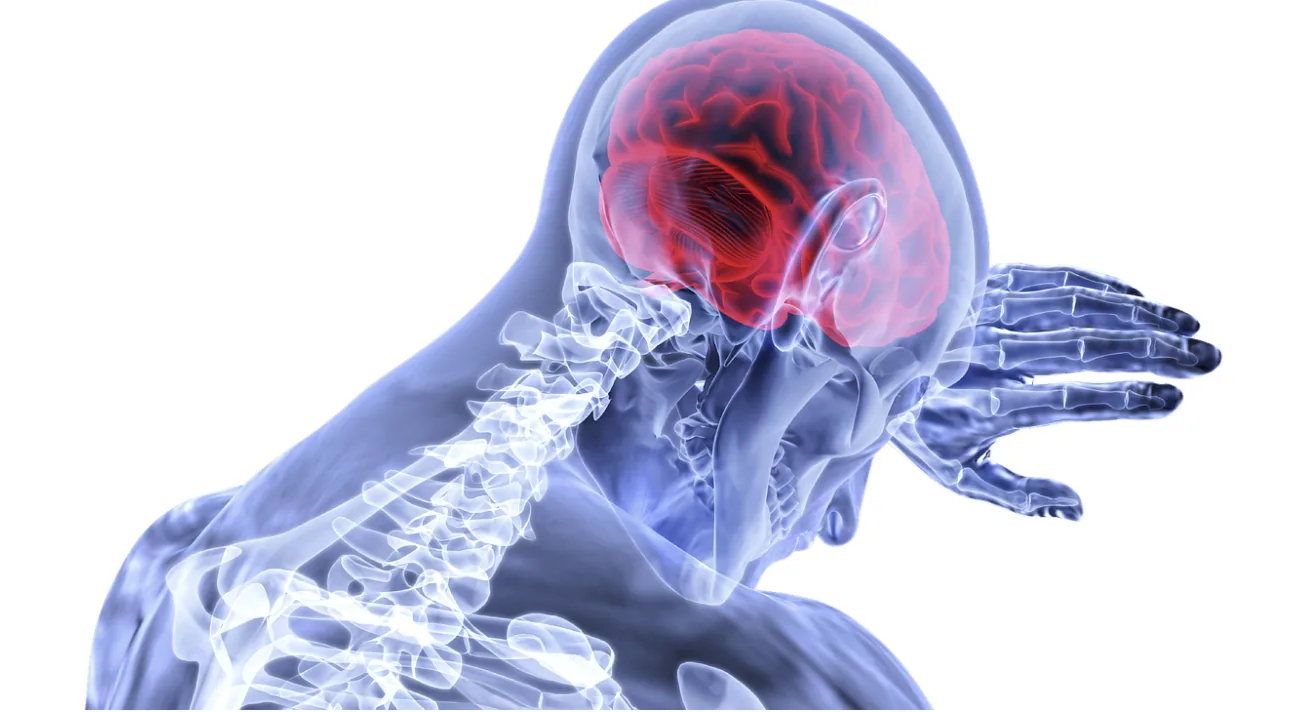
The brain heals substantially after sustained sobriety, but the timeline is longer than most people expect. The acute changes — sl…
Read article
Medication-Assisted Treatment (MAT) — methadone, buprenorphine (Suboxone, Subutex), or naltrexone — is one of the most evidence-ba…
Read article