
What Pregnant Women Should Know About Getting Help for Addiction
Addiction during pregnancy is a sensitive and often shame-laden experience — and one where getting support quickly matters most. O…
Read articleXanax (alprazolam) is one of the most prescribed and most addictive benzodiazepines. "Blue Xanax bars" refers to the 2mg bar-shaped form. Dependence can develop within weeks of daily use, and withdrawal can be medically serious — including seizures. For women, Xanax dependence often starts as a legitimate prescription for anxiety, then quietly escalates. Help exists, and recovery is real, but stopping safely requires medical supervision.
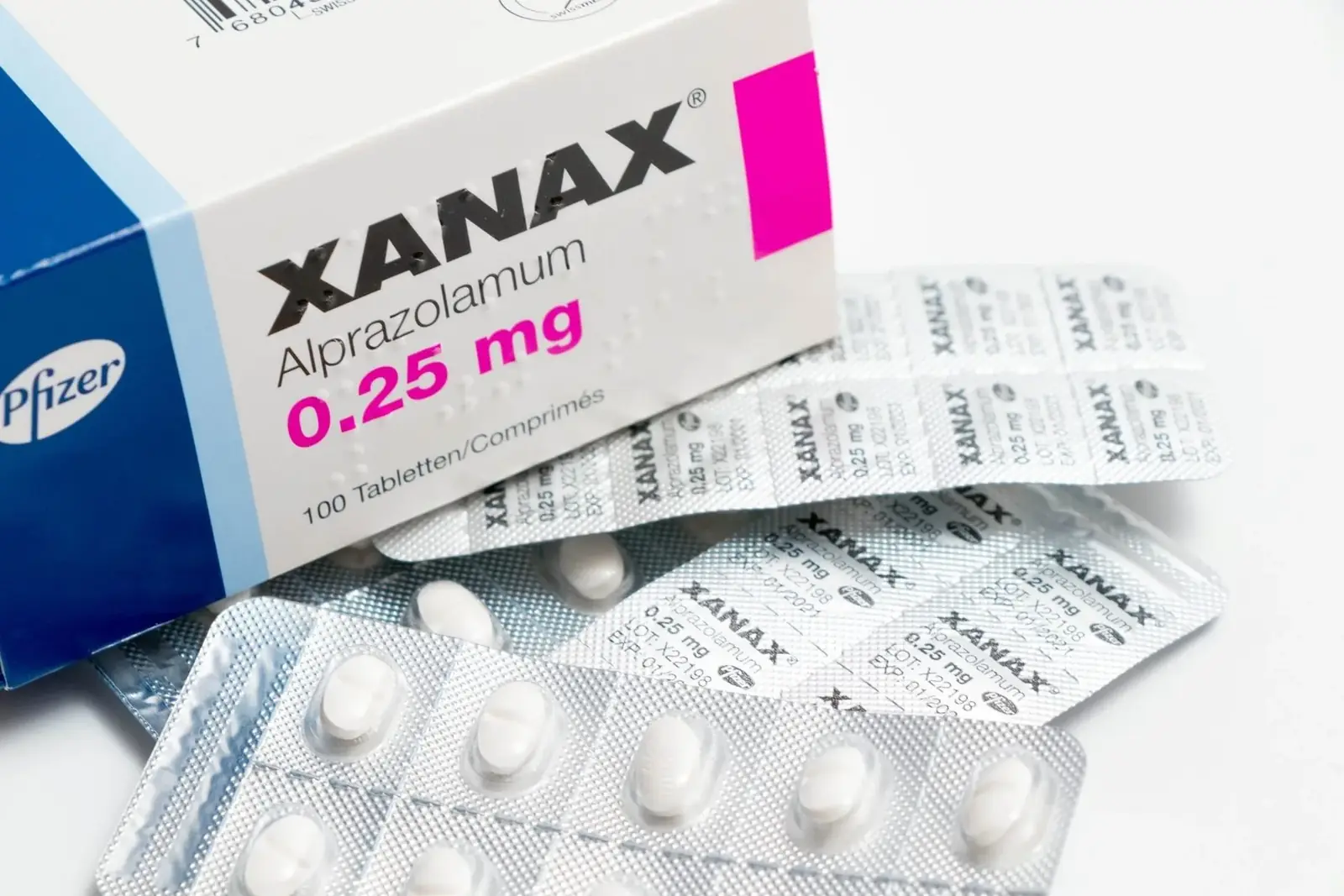
Xanax is one of the most prescribed medications in the United States, particularly to women. It's also one of the most addictive benzodiazepines on the market. If you've ended up with a relationship to Xanax that's gone beyond the prescription — taking more, needing more, fearful of running out — you're not alone, and you're not bad. You're dealing with a medication that's known to do exactly what it's doing. Here's what to understand, and how to get out safely.
Xanax is the brand name for alprazolam, a benzodiazepine prescribed primarily for anxiety and panic disorders. It works by enhancing the effect of GABA, a neurotransmitter that calms brain activity. The result is rapid relief of anxiety, panic, and sometimes insomnia.
Xanax comes in several forms:
"Blue Xanax bars" specifically refers to the 2mg bar-shaped tablets, which are blue in some generic versions. They're a high dose and carry correspondingly high risk of dependence.
Dependence on Xanax can develop within weeks of daily use — sometimes faster. The pattern often looks like:
This pattern can develop in women who never intended to misuse anything. It's the chemistry of the medication, not a character flaw.

This needs to be said clearly: do not stop Xanax abruptly without medical supervision. Benzodiazepine withdrawal — particularly from short-acting benzos like Xanax — can be medically serious.
Withdrawal symptoms can include:
The standard of care for Xanax cessation is a medically supervised taper or detox. The taper is gradual, often over weeks or months, with medical monitoring. Don't do this alone.
Xanax dependence carries some specifics that distinguish it from other substance use disorders. Many women come in still under active prescription, with legitimate underlying anxiety that needs to be addressed differently.
If your relationship with Xanax has crossed a line — even if the prescription is still legitimate — you don't have to figure out the next step alone. We can help you understand your options safely.
Call (866) 329-6639 or Verify Your Insurance — confidential, no obligation.
Blue Xanax bars are typically 2mg — the highest standard prescription dose. They're stronger than 1mg tablets (blue rounds) and significantly stronger than 0.5mg or 0.25mg tablets. The bar form is also scored, which makes dose splitting easier — but doesn't make the underlying medication any safer.
Dependence can develop within 2-4 weeks of daily use. Addiction (the broader pattern of compulsive use, loss of control, continued use despite consequences) develops on a longer timeline that varies by individual, but the chemical foundation for it can be in place within weeks.
Not safely, if you've been on it daily for more than a few weeks. Xanax withdrawal can include seizures, which are life-threatening. The standard of care is a medically supervised taper, often gradual, with monitoring. Talk to a clinician about a safe cessation plan.
No. Many women who've been on benzodiazepines for years successfully taper off with medical support. The process is typically slower for longer-term users, and may involve transitioning to a longer-acting benzodiazepine first, then tapering. It takes time, but it's done routinely.
Several options, depending on the picture: SSRIs and SNRIs (long-term anxiety management, not addictive), CBT and other therapies (which produce durable change), specific medications for specific anxiety conditions (e.g., propranolol for performance anxiety), lifestyle interventions, and integrated dual-diagnosis treatment when substance use is part of the picture. A psychiatrist familiar with anxiety treatment outside the benzo-default can help you build a non-addictive plan.
Evidence & accountability
This page was reviewed by Zoe Tambling, LMFT on . The references below informed the specific topics noted with each citation.
Ready to take the next step?
Call (866) 329-6639 or verify your insurance — confidential, no obligation. Women-only environment, Joint Commission accredited.

Addiction during pregnancy is a sensitive and often shame-laden experience — and one where getting support quickly matters most. O…
Read article
The prescription drugs with the highest addiction potential fall into three main categories: opioids (oxycodone, hydrocodone, fent…
Read article
Medication-Assisted Treatment (MAT) — methadone, buprenorphine (Suboxone, Subutex), or naltrexone — is one of the most evidence-ba…
Read article