
What Activated Charcoal Actually Does — And What It Doesn't
Activated charcoal does not meaningfully speed THC clearance from the body for the purposes of passing a drug test. THC metabolite…
Read articleThere's no strong evidence that activated charcoal reliably clears THC from your system. Detox shortcuts are mostly myth — real recovery from cannabis dependence is about support, not a supplement.
There's no strong evidence that activated charcoal reliably clears THC from your body. It's a genuine medical tool for certain acute poisonings, but using it as a THC 'detox' is mostly built on myth rather than science. And if the real reason you're searching this is that stopping cannabis has felt harder than you expected, that's worth taking seriously — our women's drug rehab supports women working through exactly that.
Activated charcoal is a legitimate emergency treatment for certain poisonings, not a proven THC-clearing method.
THC is stored in fat and cleared over time; no supplement reliably speeds this in a meaningful way.
Detox 'kits' and shortcuts are largely unproven and can carry their own risks.
If cannabis use feels hard to stop, the real issue is dependence — and support helps.
There's no strong evidence that activated charcoal reliably clears THC from your body. It's a genuine medical tool for certain acute poisonings, but using it as a THC 'detox' is mostly built on myth rather than science. And if the real reason you're searching this is that stopping cannabis has felt harder than you expected, that's worth taking seriously — our women's drug rehab supports women working through exactly that.
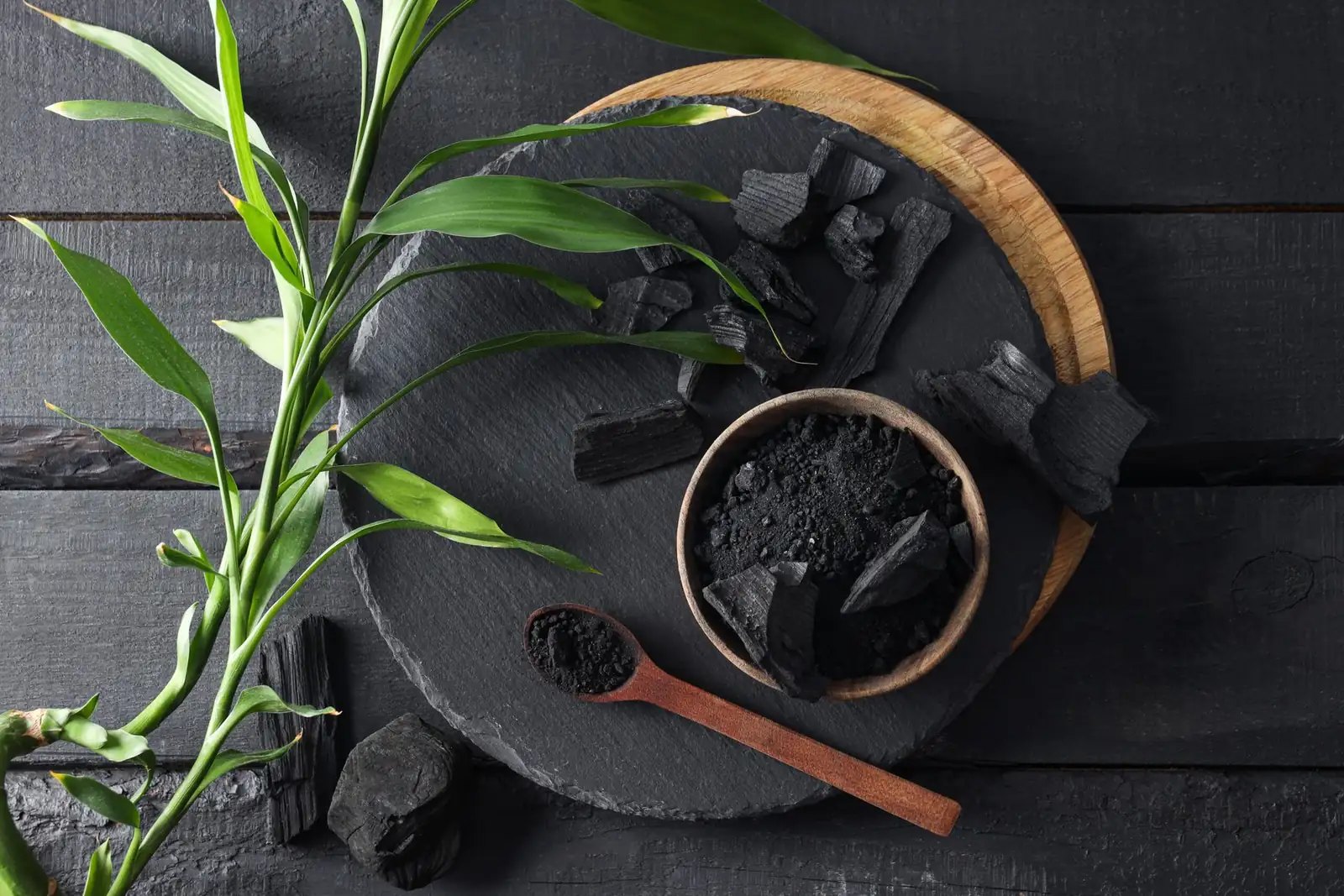
Activated charcoal is a processed form of carbon used in medical settings to bind certain substances in the digestive tract, most notably in the emergency treatment of some poisonings and overdoses. In that context it's given under medical supervision, soon after ingestion, for substances it can actually bind. Its legitimate use is acute and specific.
The popular idea that taking activated charcoal regularly 'detoxes' or 'cleanses' the body is a different claim entirely, and it isn't supported by evidence. Medical and scientific consensus treats the everyday 'charcoal cleanse' as pseudoscience — the body already has organs that handle detoxification, and charcoal doesn't enhance them.
THC behaves very differently from the substances activated charcoal is medically used for. THC is fat-soluble, meaning it's stored in the body's fat tissue and released and cleared gradually over time, well after it's left the digestive tract. Because of how and where THC is stored, there's no reliable evidence that activated charcoal meaningfully speeds its elimination from the body.
Claims that activated charcoal — or any supplement — will let you 'pass a drug test' on demand aren't backed by solid science. The honest answer is that no over-the-counter product reliably flushes THC out faster than your body clears it on its own.

Detox shortcuts sell a tempting promise: a fast, private, do-it-yourself fix. That promise drives an entire market of kits, drinks, and supplements, and the marketing is far more confident than the evidence. The appeal is understandable, but the gap between claim and proof is wide.
Many of these products are unregulated, the quality and contents vary, and some carry side effects of their own. Activated charcoal in particular can interfere with the absorption of medications and nutrients, which is one reason taking it casually isn't as harmless as it sounds. None of these products replace the body's own gradual clearance of THC.
The body clears THC on its own timeline, influenced by how often and how much a person has used, their metabolism, and their body composition. For occasional use the window is shorter; for frequent, heavy use it can be considerably longer, because more THC has accumulated in fat tissue. Hydration, rest, and healthy routines support your general wellbeing, but no drink or supplement flushes THC on demand. Time and the body's own processes do the work.
Searching for a fast way to clear THC sometimes points to a bigger question worth sitting with: is cannabis still a choice, or has it become something hard to stop? Cannabis use disorder is real, and for some people stopping brings genuine difficulty — irritability, sleep trouble, low mood, reduced appetite, and strong cravings. Those withdrawal symptoms are a sign the body has adapted to regular use.
When that's the case, the answer isn't a supplement — it's support. Anchored Tides supports women working through substance use, including cannabis. If stopping has felt harder than it should, our substance abuse treatment and broader women's addiction treatment programs meet women where they are, without judgment.
There's no strong evidence that it does. THC is stored in fat and cleared gradually by the body; activated charcoal isn't a proven method for speeding that up.
In supervised medical use for certain poisonings, yes. Taken on your own as a 'detox,' it can interfere with the absorption of medications and nutrients, and it isn't supported for that purpose.
It varies widely based on frequency of use, metabolism, and body composition. There's no single number, and no supplement reliably shortens it.
Most detox kits are unproven and unregulated. Some carry their own risks, and none replace the body's natural clearance of THC.
Time and the body's own processes. Hydration, rest, and healthy routines support overall wellbeing but don't flush THC on demand.
Yes. Frequent, heavy use can lead to withdrawal symptoms like irritability, sleep trouble, low mood, and cravings when stopping — a sign the body has adapted to regular use.
If stopping is harder than expected, or you notice cravings, irritability, sleep trouble, or low mood when you cut back, those can be signs of dependence. Our team can talk it through and verify your insurance.
Evidence & accountability
This page was reviewed by Zoe Tambling, LMFT on . The references below informed the specific topics noted with each citation.

Activated charcoal does not meaningfully speed THC clearance from the body for the purposes of passing a drug test. THC metabolite…
Read article
Medication-Assisted Treatment (MAT) — methadone, buprenorphine (Suboxone, Subutex), or naltrexone — is one of the most evidence-ba…
Read article
Cannabis use disorder is a recognized clinical condition, increasingly common as high-potency cannabis products have become widely…
Read article