
The Honest Picture of LSD
LSD is not physically addictive in the way alcohol, opioids, or stimulants are — no withdrawal syndrome, minimal tolerance buildup…
Read articleCannabis use disorder is a recognized clinical condition, increasingly common as high-potency cannabis products have become widely available. The picture for women is specific — faster progression to problematic use, more co-occurrence with anxiety and mood disorders, and patterns of self-medication for stress, sleep, and pain. Most women with cannabis use disorder don't need medical detox; outpatient therapy and integrated treatment for co-occurring conditions are usually the path. Anchored Tides treats cannabis use disorder as part of women-centered outpatient programming, coordinating with detox partners only when severe withdrawal symptoms warrant medical supervision.
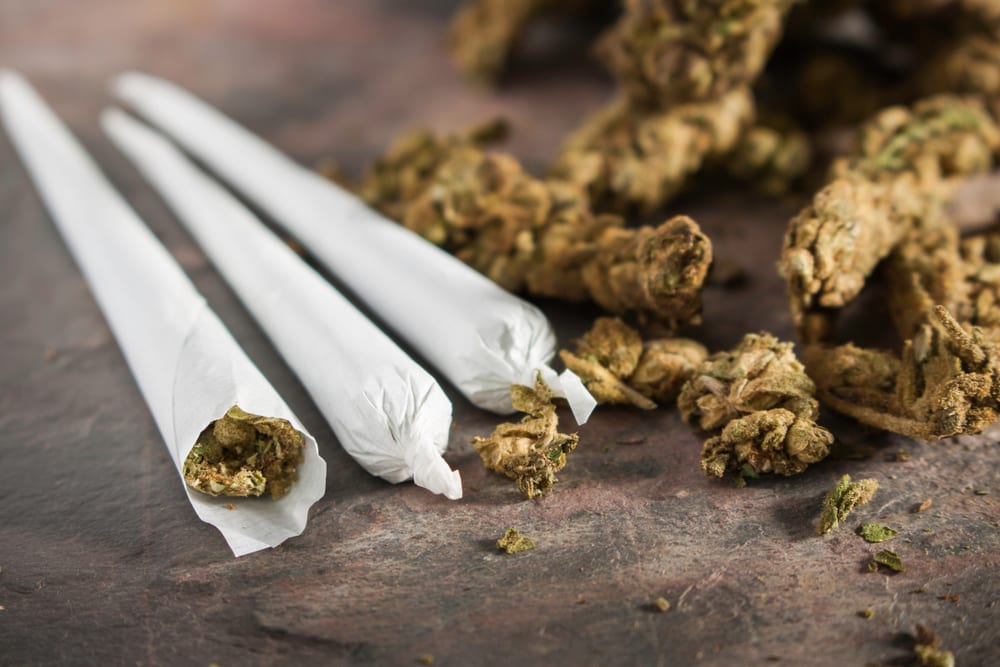
Cannabis use disorder is one of the most under-acknowledged substance use conditions in women's recovery. The cultural framing of cannabis as harmless — combined with legalization across most U.S. states — has made the condition harder to recognize even as it's become more common. The reality has shifted significantly: today's cannabis products are dramatically more potent than the cannabis of even a decade ago, and clinical presentations have followed. This article covers what cannabis use disorder actually is, what treatment looks like, and what women should know.
Cannabis use disorder (CUD) is a clinical diagnosis defined in the DSM-5. Like other substance use disorders, it's characterized by:
Meeting two or more of these in a 12-month period qualifies as cannabis use disorder. Severity (mild, moderate, severe) depends on how many criteria are met.
Like other substance use disorders, cannabis use disorder presents differently in women than in men:

Cannabis withdrawal is uncomfortable but rarely medically dangerous in the way alcohol or benzodiazepine withdrawal can be. Most women with cannabis use disorder don't require medical detox. Withdrawal typically includes:
Symptoms typically peak around days 2-4 and resolve over 1-3 weeks. Sleep disruption can persist longer for heavy daily users.
Medical detox or supervised tapering may be warranted for: very heavy daily concentrate use; co-occurring use of alcohol or benzodiazepines (those withdrawals can be medically dangerous); significant co-occurring mental health conditions that may destabilize during withdrawal; pregnancy. For women in these situations, ATR coordinates with trusted detox partners — ATR doesn't provide in-house detox.
A significant portion of women with cannabis use disorder are using it to manage trauma symptoms. EMDR and trauma-focused CBT address what the cannabis was managing — often producing more durable recovery than treating the cannabis use in isolation.
Cannabis use disorder commonly co-occurs with anxiety disorders, depression, ADHD, PTSD, eating disorders, or other substance use. Sequential treatment (cannabis first, mental health second) tends to produce worse outcomes than integrated treatment that addresses both simultaneously.
No FDA-approved medications specifically for cannabis use disorder yet. Some women benefit from medications targeting co-occurring conditions (SSRIs for anxiety/depression, non-stimulant ADHD medications, sleep medications for short-term withdrawal-related insomnia). ATR coordinates with prescribers; we don't prescribe directly.
Mutual-help options for cannabis use disorder include Marijuana Anonymous (MA), SMART Recovery (which is substance-agnostic), and women's recovery circles. Community matters particularly for cannabis because the cultural normalization of use can make sustained recovery feel isolating without peer support.
ATR is a women-only outpatient program in Huntington Beach, California, treating cannabis use disorder as part of integrated care for women's substance use and mental health.
If your relationship with cannabis has crossed a line — or you're starting to wonder — you don't have to figure out the next step alone. Cannabis use disorder is treatable, and the path is usually clearer than the panic about it suggests.
Call (866) 329-6639 or Verify Your Insurance — confidential, no obligation.
Yes. The medical and research communities recognize cannabis use disorder as a clinical condition with measurable physical and psychological dependence. The earlier cultural framing of cannabis as non-addictive was based on lower-potency products and less common heavy daily use; both of those have shifted significantly. Withdrawal symptoms — sleep disruption, anxiety, irritability — are well-documented.
Usually not. Cannabis withdrawal is uncomfortable but rarely medically dangerous on its own. Most women with cannabis use disorder are appropriate for outpatient treatment without medical detox. Exceptions include very heavy concentrate use, co-occurring alcohol or benzodiazepine use, or significant mental health concerns that may destabilize during withdrawal — in those cases, ATR coordinates with detox partners.
Acute symptoms (irritability, anxiety, restlessness) typically peak days 2-4 and resolve over 1-2 weeks. Sleep disruption can persist longer — sometimes weeks for heavy daily users. Appetite usually normalizes within a few weeks. Some women experience post-acute symptoms (occasional sleep issues, mood fluctuations) for several months.
Legality is unrelated to clinical status. Alcohol is legal and has its own use disorder; cannabis is similar. The clinical question isn't whether the substance is legal — it's whether the relationship with it meets diagnostic criteria for a use disorder. Many women whose cannabis use is causing real problems hesitate to call it a disorder because of the legality, which often delays getting support.
Yes — usually more effectively, over time. Cannabis as a sleep aid initially helps fall asleep but reduces sleep quality and creates dependence on the substance for sleep. Cannabis as an anxiety treatment provides short-term relief but often worsens anxiety over time, particularly with daily use of high-potency products. Treatments for both (CBT-I for insomnia; CBT, EMDR, and sometimes medication for anxiety) are well-established and don't carry the same dependence patterns.
Treatment is protected by HIPAA. Insurance companies receive coverage information but not the diagnosis details. Employers don't receive treatment information from your insurance. FMLA protections allow medical leave without diagnosis disclosure. For most women, treatment is fully confidential and doesn't affect employment.
Evidence & accountability
This page was reviewed by Zoe Tambling, LMFT on . The references below informed the specific topics noted with each citation.
Ready to take the next step?
Call (866) 329-6639 or verify your insurance — confidential, no obligation. Women-only environment, Joint Commission accredited.

LSD is not physically addictive in the way alcohol, opioids, or stimulants are — no withdrawal syndrome, minimal tolerance buildup…
Read article
Cocaine addiction in women looks different from cocaine addiction in men — biologically, psychologically, and socially. Women prog…
Read article
Medication-Assisted Treatment (MAT) — methadone, buprenorphine (Suboxone, Subutex), or naltrexone — is one of the most evidence-ba…
Read article