
Drugs & Substances7 min read

Why Nicotine Is the Hardest Substance to Quit

TL;DR

Nicotine is one of the most addictive substances by clinical measures — heritability around 50-75%, rapid dependence development, strong cravings, and high relapse rates. It's also one of the most stubborn addictions in recovery from other substances, often the last one to be addressed. Vaping has accelerated nicotine dependence patterns, particularly in women. The honest path to quitting combines pharmacotherapy (NRT, varenicline, bupropion), behavioral support, and addressing the emotional functions nicotine has been serving. Most people require multiple quit attempts; that's normal, not failure.
Anchored Tides Clinical TeamReviewed by Zoe Tambling, LMFT
Published April 10, 2025Last updated: January 2026
Call (866) 329-6639
Why Nicotine Is the Hardest Substance to Quit
ATR has been a wonderful organization to work with. I've partnered with them on many occasions on behalf of my own clients. They're trustworthy, ethical and provide excellent clinical care to the women they serve.
Maddie Johnson
Read all reviews on Google

Nicotine doesn't get the recovery community attention that alcohol or opioids do — but the clinical reality is that it's one of the most addictive substances we know of, and one of the most stubborn to leave behind. Many women in recovery from other substances continue using nicotine for years, sometimes the rest of their lives, telling themselves it's the smallest of their problems. The medical evidence is unambiguous: nicotine use kills more people in the U.S. than all other substance-related causes combined. The good news: nicotine addiction is treatable, and the available tools are better than they've ever been.

What Nicotine Actually Does

Nicotine acts on nicotinic acetylcholine receptors in the brain, producing rapid release of dopamine, norepinephrine, and other neurotransmitters. Effects begin within seconds of inhalation. Subjective effects include:

  • Mild euphoria and reward
  • Improved attention and concentration
  • Anxiety reduction (after dependence is established — initial doses can increase anxiety)
  • Appetite suppression
  • Cognitive enhancement (in dependent users; non-dependent users typically don't experience this)

The combination of multiple positive subjective effects, near-instant delivery, and the rapid development of tolerance produces dependence quickly. Nicotine is widely regarded by addiction researchers as one of the most addictive substances by clinical measures.

The Vaping Shift

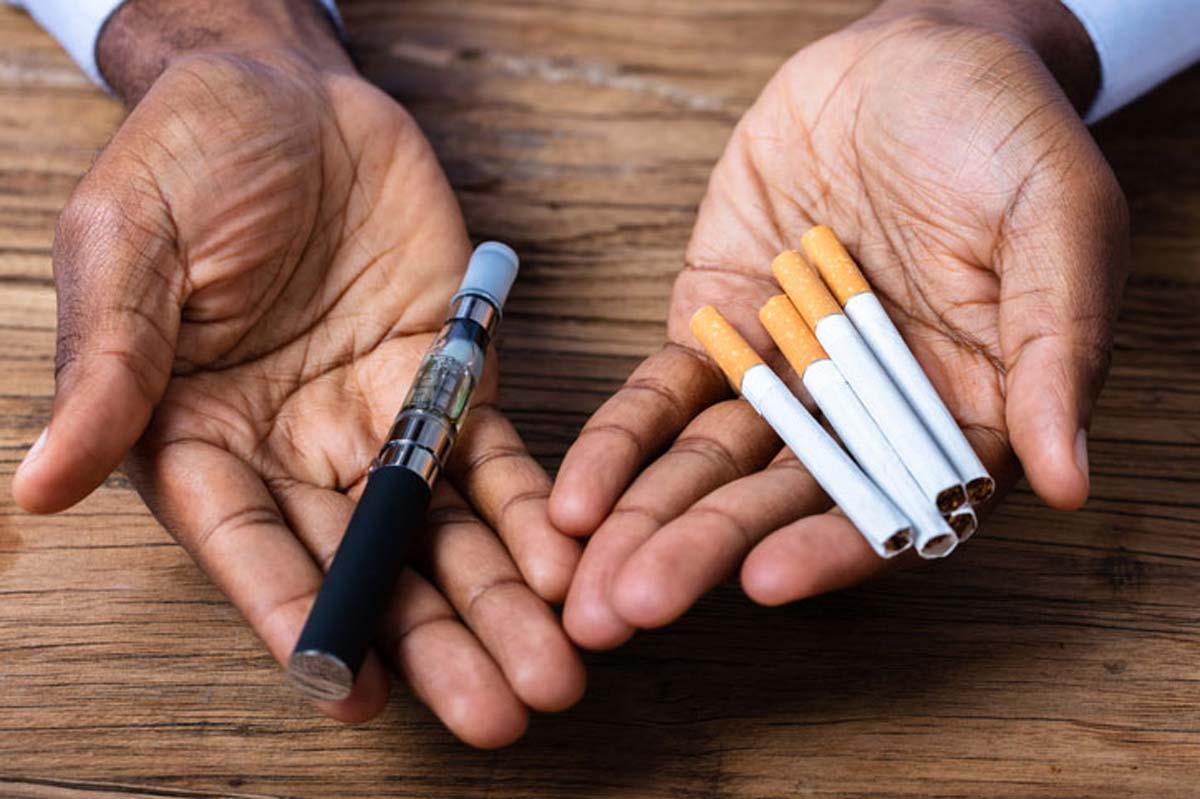
E-cigarettes and vaping devices have changed nicotine dependence patterns significantly:

  • Modern vape devices deliver nicotine more efficiently than cigarettes — often higher peak blood levels
  • Nicotine salt formulations (in most popular devices) are easier to inhale at high concentrations than freebase nicotine in cigarettes
  • All-day use is common — many vape users use throughout the day rather than in discrete sessions
  • Concealability allows use in settings smoking wouldn't be tolerated
  • Women's vape use has risen substantially
  • Long-term health effects are still being characterized — already documented: lung injury, cardiovascular effects, possibly worse withdrawal than cigarettes
  • Quitting vaping is often harder than quitting cigarettes due to the higher and more constant nicotine delivery

Women's-Specific Patterns

  • Women metabolize nicotine somewhat faster than men, often leading to higher use frequency
  • Estrogen affects nicotine metabolism — clearance varies across menstrual cycle, pregnancy, and menopause
  • Women's nicotine use is more often emotionally driven (anxiety, weight management, stress)
  • Quit attempts in women have lower success rates than in men by some measures
  • Nicotine replacement therapy (NRT) is somewhat less effective in women on average — though still substantially helpful
  • Cravings tied to specific contexts (coffee, alcohol, after meals, work breaks) can be particularly strong
  • Weight gain after quitting (typically 5-10 lbs) is more concerning to women on average and can drive relapse

Why Quitting Nicotine Matters Even More in Recovery

  • People in recovery from other substances die from smoking-related causes at higher rates than from substance-related causes — the math is stark
  • Nicotine activates the same reward pathways involved in other addictions, potentially destabilizing long-term recovery
  • Smoking and drinking are strongly associated in many women's patterns — quitting smoking often reduces alcohol relapse risk
  • Health impacts of continued use accelerate over years — chronic conditions accumulate
  • The cumulative cost — financial, time, and life impact — is substantial
  • Most women in long-term recovery describe quitting nicotine as one of the most life-improving steps they took
A counselor offering compassionate support to a woman in therapy

What Actually Works for Quitting

Pharmacotherapy

  • Nicotine Replacement Therapy (NRT) — patches, gum, lozenges, inhalers, nasal spray. Combination therapy (patch plus short-acting form) more effective than single product. Strong evidence base, low risk, available over-the-counter.
  • Varenicline (Chantix) — prescription medication; partial agonist that reduces cravings and reward from continued nicotine. Strong evidence base, particularly for vape and heavier cigarette use.
  • Bupropion (Wellbutrin/Zyban) — prescription antidepressant with anti-craving effects for nicotine. Also helpful for women with co-occurring depression.
  • Combination approaches — pharmacotherapy plus behavioral support produces the highest quit rates by clinical research.

ATR coordinates with prescribers for varenicline or bupropion; we don't prescribe directly.

Behavioral Support

  • CBT specifically for nicotine cessation
  • Quit lines (1-800-QUIT-NOW provides free counseling)
  • Smartphone apps (truth Initiative, This is Quitting for vaping)
  • Group programs through health insurance, employers, or community resources
  • Individual counseling addressing the emotional functions nicotine has been serving

Addressing the Emotional Functions

Nicotine is often serving specific functions — anxiety regulation, weight management, social structure, emotional avoidance, transition between activities. Identifying these functions and developing alternative strategies addresses what made nicotine so effective in the first place.

Lifestyle Support

  • Exercise — reduces cravings and withdrawal severity, helps prevent weight gain
  • Sleep — consistent sleep improves quit success
  • Stress management — chronic stress is one of the strongest relapse triggers
  • Avoiding alcohol in early quitting — alcohol significantly increases relapse risk
  • Social support — telling people, asking for accommodation, having someone to call when cravings hit

The Quitting Timeline

  • First 72 hours — physical withdrawal peaks. Headache, irritability, anxiety, intense cravings, sleep disruption.
  • First 2 weeks — physical withdrawal substantially eased. Cravings still intense but less constant.
  • Weeks 2-6 — psychological cravings dominate. Tied to specific triggers (coffee, alcohol, stress, social situations).
  • Months 1-3 — most acute cravings fading. Habit patterns being relearned. Risk of complacency relapse is high.
  • Months 3-12 — cravings becoming occasional. Stress-triggered episodes still possible.
  • Year 1+ — most women describe nicotine as occasionally tempting but no longer driving behavior. Long-term abstinence increasingly stable.

What About Relapse?

Most successful quitters relapse multiple times before sustained abstinence. Average is 6-9 quit attempts before lasting success. This isn't evidence of personal failure — it's documented epidemiology. Each quit attempt builds skills and self-knowledge that contribute to eventual success.

If you relapse: get back to your quit tools quickly, examine what triggered the relapse, adjust the approach, and try again. The shame around nicotine relapse can be intense; clinical and research evidence supports treating it as information rather than verdict.

How Anchored Tides Supports Nicotine Cessation

  • Coordination with prescribers for varenicline, bupropion, or other smoking cessation medications
  • CBT and behavioral support specifically for nicotine cessation when relevant to the woman's overall recovery work
  • Addressing emotional functions — anxiety, weight management, stress regulation — that nicotine has been serving
  • Mental Health track for women whose primary need is mental health alongside or instead of substance use
  • Three outpatient levels of care (PHP, IOP, OP) — flexible enough to integrate nicotine work into broader recovery
  • Dual-Diagnosis / Co-Occurring Disorders treatment when nicotine use intersects with depression, anxiety, or other concerns
  • Holistic care — Reiki, Sound Healing, Adventure Therapy, Registered Dietitian — for nervous-system regulation and weight management support
  • Alumni community — sustained support across the long arc of nicotine cessation
  • In-network with HMOs, EPOs, and PPOs across Blue Shield, BCBS, Anthem, Highmark, Regence, Premera, Multiplan, and Horizon

Take the Next Step

If nicotine has been the addiction you've been avoiding addressing — or you've tried to quit before without success — a clinical conversation can help you map out an approach that gives you a real shot.

Call (866) 329-6639 or Verify Your Insurance — confidential, no obligation.

Frequently asked questions

  • Is nicotine really as addictive as people say?

    Yes — by clinical measures, more addictive than alcohol or cannabis. Rapid dependence development, strong cravings, high relapse rates, and substantial physical and psychological withdrawal. The cultural framing of smoking as a "habit" rather than addiction reflects history more than current science. The DSM-5 categorizes nicotine use as a substance use disorder.

  • How long does nicotine withdrawal last?

    Acute physical withdrawal: 3-7 days peak, mostly resolved by 2-4 weeks. Psychological withdrawal (cravings tied to triggers): 4-12 weeks for most intense period, occasional episodes for months. Most people are largely through the hard part by 3 months, though some craving moments continue beyond a year.

  • Is vaping safer than smoking?

    Likely less harmful than combustible cigarettes for established smokers who completely switch — but "less harmful" isn't "safe." Documented harms include lung injury (EVALI), cardiovascular effects, and dependence that's often harder to quit than cigarette dependence. For non-smokers, vaping isn't a safer alternative — it's the initiation of nicotine dependence.

  • Will I gain weight if I quit smoking?

    Most people gain some weight — typically 5-10 pounds in the first year. The weight gain is real but small relative to the health benefits of quitting. Strategies that reduce weight gain: exercise, regular meals, focusing on protein and fiber, addressing the appetite-suppression function nicotine was serving through other means. For women whose nicotine use was specifically driven by weight management, working with a Registered Dietitian during quitting can help.

  • Should I quit nicotine before or after my other substance use?

    Historical thinking suggested quitting nicotine last; current research suggests the order doesn't matter much, and quitting nicotine alongside or after primary substance treatment doesn't undermine recovery — and may strengthen it. The decision depends on the specific situation and clinical judgment.

Evidence & accountability

Sources and clinical review

This page was reviewed by Zoe Tambling, LMFT on . The references below informed the specific topics noted with each citation.

  1. Nicotine Is Why Tobacco Products Are AddictiveU.S. Food and Drug AdministrationSupports: Nicotine’s effects on the brain, dependence, withdrawal, and youth vulnerability
  2. How to Quit SmokingCenters for Disease Control and PreventionSupports: Evidence-based cessation planning, counseling, and medication support

Ready to take the next step?

Call (866) 329-6639 or verify your insurance — confidential, no obligation. Women-only environment, Joint Commission accredited.

Verify Insurance →

← Back to all articles