
Activated Charcoal for THC Detox: What Works, What’s Myth, and the Evidence
There's no strong evidence that activated charcoal reliably clears THC from your system. Detox shortcuts are mostly myth — real re…
Read articleActivated charcoal does not meaningfully speed THC clearance from the body for the purposes of passing a drug test. THC metabolites are stored in fat tissue and released gradually over weeks; activated charcoal binds substances in the gut, but the THC has already been absorbed and distributed. The marketed "detox kits" largely don't work as advertised. The only reliable way to test clean is time, hydration, and abstinence — and if you're searching this question, it's worth asking what the search itself is telling you.
If you've ended up reading this, you're probably navigating a specific situation: a drug test, a job, a custody matter, a medical procedure, or a personal decision. The internet has plenty of detox kits, charcoal protocols, and miracle promises. The honest version of what actually works is shorter and less marketable. Here's the evidence.
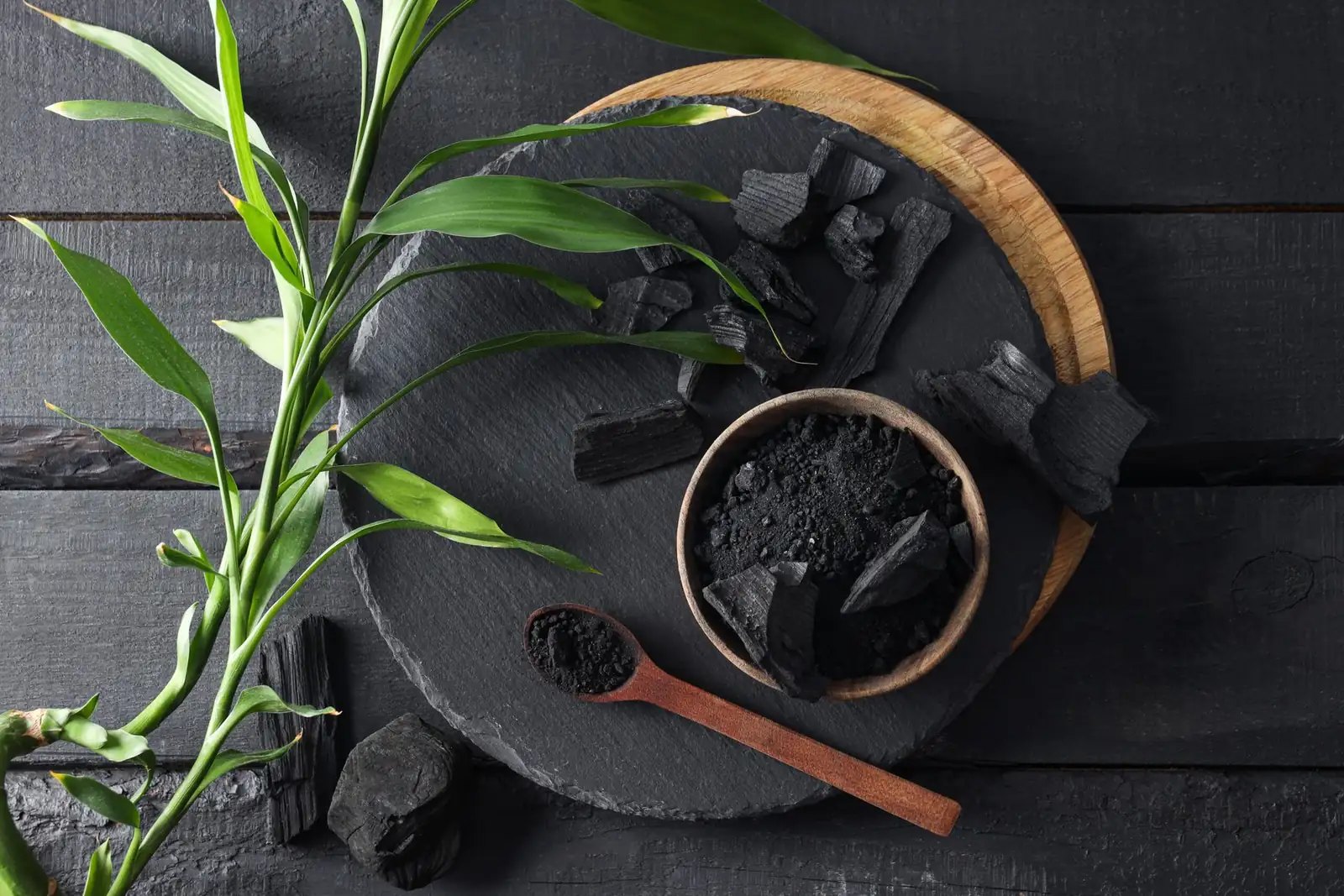
Activated charcoal is a fine black powder treated to maximize surface area. In medical settings, it's used in emergency rooms to bind certain ingested toxins (like overdoses of specific medications) before they're absorbed from the stomach into the bloodstream.
Key mechanism: activated charcoal binds substances in the gastrointestinal tract. It doesn't pull substances out of the bloodstream, tissues, or fat. It works on substances still in the gut, before absorption — typically within an hour or two of ingestion.
Commercial detox kits typically include some combination of: activated charcoal, diuretics (like dandelion root), B vitamins (for urine color), niacin, herbal extracts, and sometimes creatinine (to dilute urine while still appearing normal). The mechanisms they rely on:
Modern drug testing labs are sophisticated about detecting adulteration. "Detox" attempts often produce invalid samples that require retesting under direct observation, which makes the situation worse.

If you've ended up searching "how to pass a THC test" or "activated charcoal for cannabis detox," the reason is its own information. Sometimes the answer is a job opportunity that doesn't accommodate cannabis use in a state where it's legal. Sometimes it's a custody matter. Sometimes it's something else.
And sometimes, woven through the practical search, is a quieter question: "is my use okay?" Cannabis use disorder is a recognized clinical condition. Women in particular are increasingly affected as higher-potency products become widely available. The fact that you're searching for a workaround can be — for some people — the signal worth attending to.
If your cannabis use has become daily, or you've tried to cut back and couldn't, or you've noticed your use scaling up over time, that's worth a clinical conversation. Not a panic, not a moral failure — just information about whether what you're navigating is a one-off test situation or a pattern that's been quietly growing.
Cannabis use disorder is one of the conditions ATR treats — though it often co-occurs with other things rather than appearing alone.
If part of what's behind your search is a quieter concern about your cannabis use, a confidential conversation can help you sort out whether what you're experiencing warrants support.
Call (866) 329-6639 or Verify Your Insurance — confidential, no obligation.
No, not in any way supported by scientific evidence. Activated charcoal binds substances in the gut before absorption. By the time someone tries to use it for "detox," the THC has long since been absorbed and distributed throughout the body. It has no significant effect on detection-test outcomes.
Time and abstinence. Hydration at normal levels supports kidney function. Exercise generally helps long-term clearance but should be avoided in the day or two before a test (releases stored THC). Eating regular, fiber-rich meals supports normal metabolism. There's no shortcut — the body releases stored THC from fat at its own rate.
For occasional users (less than weekly): typically 3-10 days for urine clearance. For regular users (weekly to daily): often 2-4 weeks. For heavy daily users: can be 30+ days, sometimes longer. Hair tests detect up to 90 days regardless of recent use. The exact timing depends on individual factors (body fat, metabolism, hydration, frequency).
Most are misleading at best. Their mechanisms (dilution, color masking, creatinine spiking) are increasingly detected by lab testing as adulteration. Even when they "work" in the sense of producing a borderline result, they often trigger retesting under direct observation.
Honest assessment: if your use is daily, if you've tried to cut back and couldn't, if you need more to get the same effect, if it's affecting work or relationships, if you feel anxious when supply is low, or if you're using it to manage anxiety/sleep/pain in ways that have escalated — those are signals worth a clinical conversation. If your use is occasional and unproblematic and you're just navigating a one-time test situation, this question doesn't apply.
Evidence & accountability
This page was reviewed by Zoe Tambling, LMFT on . The references below informed the specific topics noted with each citation.
There's no strong evidence that activated charcoal reliably clears THC from your system. Detox shortcuts are mostly myth — real re…
Read article
Many drugs cause weight loss — sometimes dramatically — but the weight loss isn't health. It's the body breaking down faster than…
Read article
Tolerance is the body's adaptation to repeated substance use — the same dose produces less effect, requiring more to achieve the o…
Read article