
How To Get Into Rehab: Step-by-Step Admission Guide
You can enter rehab through same-day or planned admission. If there is severe withdrawal, active suicidal thoughts, or medical ins…
Read articleStart with photo ID, insurance paperwork, and every current medication in its original pharmacy bottle. Then pack about a week of modest clothing, alcohol-free toiletries, a charger, and a small amount of cash — and confirm the final rules with admissions before you leave.
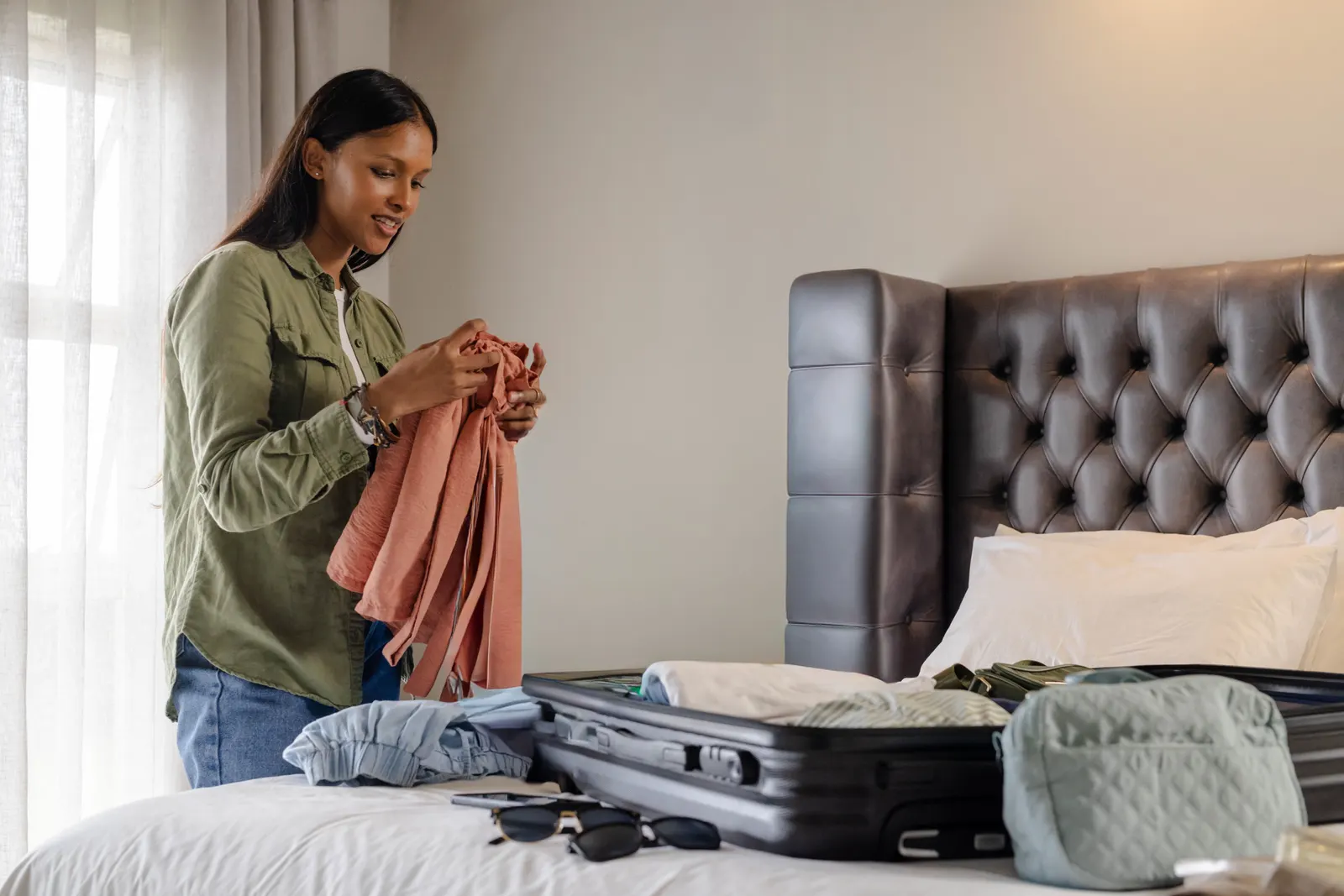
Packing for treatment can feel overwhelming when you are already carrying a lot. This women’s rehab packing guide covers the essentials for detox, residential treatment, PHP, and IOP, so you can arrive prepared and put your energy into beginning care.
Pack the non-negotiables first: photo ID, insurance or authorization paperwork, and all current medications in their original pharmacy bottles.
Bring a printed medication list with dosages, your prescriber, and pharmacy contact so clinical staff can review your care safely.
Your level of care changes the list: detox is streamlined, residential allows more personal items, and PHP or IOP clients usually pack for the day.
A quick call to admissions before you pack prevents delays because safety policies and item limits vary by program.
Most programs ask you to bring the same core items: a government-issued photo ID, current medications in original bottles, insurance or medical paperwork, about seven days of modest clothing, alcohol-free toiletries, a phone charger, and a small amount of cash for incidentals. Facility policies always take precedence, so use this list as a starting point and confirm the details with admissions.

Having your ID, insurance information, and medication documentation ready helps the intake team verify your information and start a clinical review promptly. Original medication bottles and an up-to-date list also help clinicians continue or safely coordinate necessary medications during early treatment.
Put the items that affect admission and safety in one easy-to-reach bag or carry-on. Keep documents and medications together rather than in checked luggage.
Call your prescriber as soon as treatment looks likely so there is no unexpected gap in medication. Ask whether you need a bridge prescription or a written order, and bring every medication in its original bottle. Loose pills and unlabeled containers are difficult for a clinical team to verify safely.
Free benefits check
Confidential, no obligation, and most responses arrive within 24 hours.

The essentials stay consistent, but the extras depend on where and how you receive treatment. Medical detox is typically the most streamlined because safety and stabilization come first. Residential care usually allows more clothing and personal comfort items because you are living on site. PHP and IOP clients commute, so they generally need daytime essentials rather than overnight bags.
Programs generally provide the structured clinical environment: therapy, medication management, meals or meal guidance, and basic living supplies where applicable. You are usually responsible for your documents, approved medications, clothing, and specific personal-care needs.
Bring the personal-care items that help you feel comfortable, including menstrual supplies and products that work for your skin or hair when allowed. If you are pregnant, postpartum, or breastfeeding, tell admissions before arrival so the team can coordinate appropriate medical care and discuss what records or supplies to bring. Before a planned admission, arrange childcare, pet care, bills, and a trusted emergency contact so you have fewer decisions to manage on day one.
A brief call is the best way to turn this list into the right list for your program. Ask what you can bring, how medication storage works, whether you need to bring linens or meals, how devices are handled, and what transportation or arrival procedures apply. If there is any uncertainty about an item, ask before packing it.
Bring government-issued photo ID, insurance information, all current medications in original pharmacy bottles, a printed medication list, comfortable clothing, alcohol-free toiletries, and emergency contact information. Confirm the final list with the treatment program.
Most programs accept necessary prescription medication when it is in the original labeled bottle and accompanied by a current medication list. Call admissions and your prescriber ahead of time, especially for controlled substances or medication-assisted treatment.
About a week of comfortable, modest clothing is a practical starting point for many residential programs. Pack layers, sleepwear, underwear, and practical shoes, then ask admissions about laundry access and item limits.
Detox packing is usually streamlined: bring identification, insurance information, medications in original bottles, a few changes of clothing, toiletries, and approved comfort items. The program can explain its specific safety rules.
Phone policies vary by program and stage of care. Some outpatient programs allow limited use, while residential or detox programs may restrict devices during early stabilization. Bring your charger and ask admissions what to expect.
Leave alcohol, drugs, weapons, expensive valuables, large amounts of cash, and items the program identifies as contraband at home. Ask about electronic devices, vaping products, and other items before arrival.
Keep medications, identification, insurance documents, and the program’s contact information in your carry-on. Confirm transportation from the airport and any program-specific travel guidance before you book.
Evidence & accountability
This page was reviewed by Zoe Tambling, LMFT on . The references below informed the specific topics noted with each citation.
Ready to take the next step?
Call (866) 329-6639 or verify your insurance — confidential, no obligation. Women-only environment, Joint Commission accredited.

You can enter rehab through same-day or planned admission. If there is severe withdrawal, active suicidal thoughts, or medical ins…
Read article
You can pay for rehab without insurance through state-funded and county programs, sliding-scale clinics, facility payment plans, g…
Read article
FMLA gives eligible employees up to 12 workweeks of unpaid, job-protected leave in a 12-month period, and treatment for a substanc…
Read article