
How Drug Addiction Ruined My Life — and How Women Begin to Rebuild
Drug addiction can feel like it's taken everything — your career, your relationships, your sense of self. It hasn't. Addiction is…
Read articleLife beyond addiction isn't just the absence of substances — it's the active building of a life where substances are no longer needed. For women in recovery, that life tends to include career or purpose, repaired and rebuilt relationships, attention to self-care, and a sense of personal identity that addiction used to crowd out. It's real, and it's available.

Inside addiction, the future can feel like a blank space — or worse, like an empty version of the life you used to have. "Life beyond addiction" can sound abstract, like a phrase recovery programs use to keep people going. But the women who've built one will tell you it's not abstract at all. It's specific. It has texture. It looks different from the life addiction took, but it's not lesser — it's often better in ways that surprised them. Here's the honest version.
Recovery doesn't mean abstaining-and-white-knuckling for the rest of your life. That's surviving, not living. Real long-term recovery — the kind women point to when they say their life now is better than their life before addiction — looks like:
None of this happens by accident. It happens because women build it, on purpose, with support.
Many women rediscover or redefine their work in recovery. The clarity that returns when you're not using changes what you can do — and what you want to do. Some women return to careers they'd nearly lost. Others find new ones. Some build something from scratch. Purpose doesn't always mean a job title — it can mean volunteering, raising kids well, caring for elderly parents, contributing to a community. What matters is that the days have meaning beyond not using.
The relationships in your life will be sorted by recovery, whether you like it or not. Some that survived addiction will deepen. Some that survived will need real work to be healthy. Some that didn't survive will not return — and others you didn't expect will come back. New relationships will form, often with women you meet in recovery. The emotional presence that addiction took is now available to bring to the people you love.
Self-care in recovery isn't bubble baths and face masks (though those count). It's the consistent practice of treating yourself as someone worth caring for. Sleep. Nutrition. Movement. Therapy. Time with people who fill you up. Time alone. Boundaries. The things that used to feel optional become structural.
This is the part women rarely expect: recovery becomes a launching point for a kind of personal growth that wasn't accessible inside addiction. Self-knowledge, resilience, emotional intelligence, capacity for honest relationships — all of these tend to grow significantly through the work of recovery. Many women describe feeling more themselves at three years sober than they ever did before they used.

Years into recovery, there will still be days the old story whispers. The voice that says you were more interesting, more creative, more alive when you were using. The voice that romanticizes what addiction actually was. This is part of long-term recovery, not a sign you're failing. The work is to recognize the voice, not believe it, and stay connected to the truth of what life beyond addiction actually is.
Anchored Tides Recovery is a women's-only outpatient program in Huntington Beach, California. The work of building a life beyond addiction continues long after formal treatment ends.
Life beyond addiction isn't a destination you arrive at. It's a life you build, one decision at a time, with the right support around you.
Call (866) 329-6639 or Verify Your Insurance — confidential, no obligation.
It's available to everyone. The journey is different for each woman — some recover with one round of treatment, others with several; some find long sobriety in 12-step, others in non-12-step paths, others in clinical treatment alone. The variable is engagement with the work, not whether the work is possible.
The honest answer: longer than you want, sooner than you'd guess by month six. Physical recovery usually shows up within the first 90 days. Emotional stability often takes 6-12 months. The deeper sense of being yourself again typically comes between year one and year three. Many women describe a meaningful threshold at 18-24 months.
That's normal — and it doesn't mean you don't have one waiting. Most women in active addiction can't visualize life on the other side; the brain has spent too long built around the substance. Treatment helps you build it piece by piece. You don't have to see the whole picture to take the first step.
For many women, yes. Recovery requires depth of self-knowledge, emotional skill-building, and intentional living that the pre-addiction life didn't demand. Women who do the work often emerge with capacities they didn't have before. "Better" isn't guaranteed, but it's common enough that women in long-term recovery describe it routinely.
Significant. Most women in long-term recovery maintain some form of ongoing support — therapy, meetings, alumni community, regular check-ins. The form changes over time, but the connection rarely disappears. Recovery is sustained in relationship, not in isolation.
Evidence & accountability
This page was reviewed by Zoe Tambling, LMFT on . The references below informed the specific topics noted with each citation.
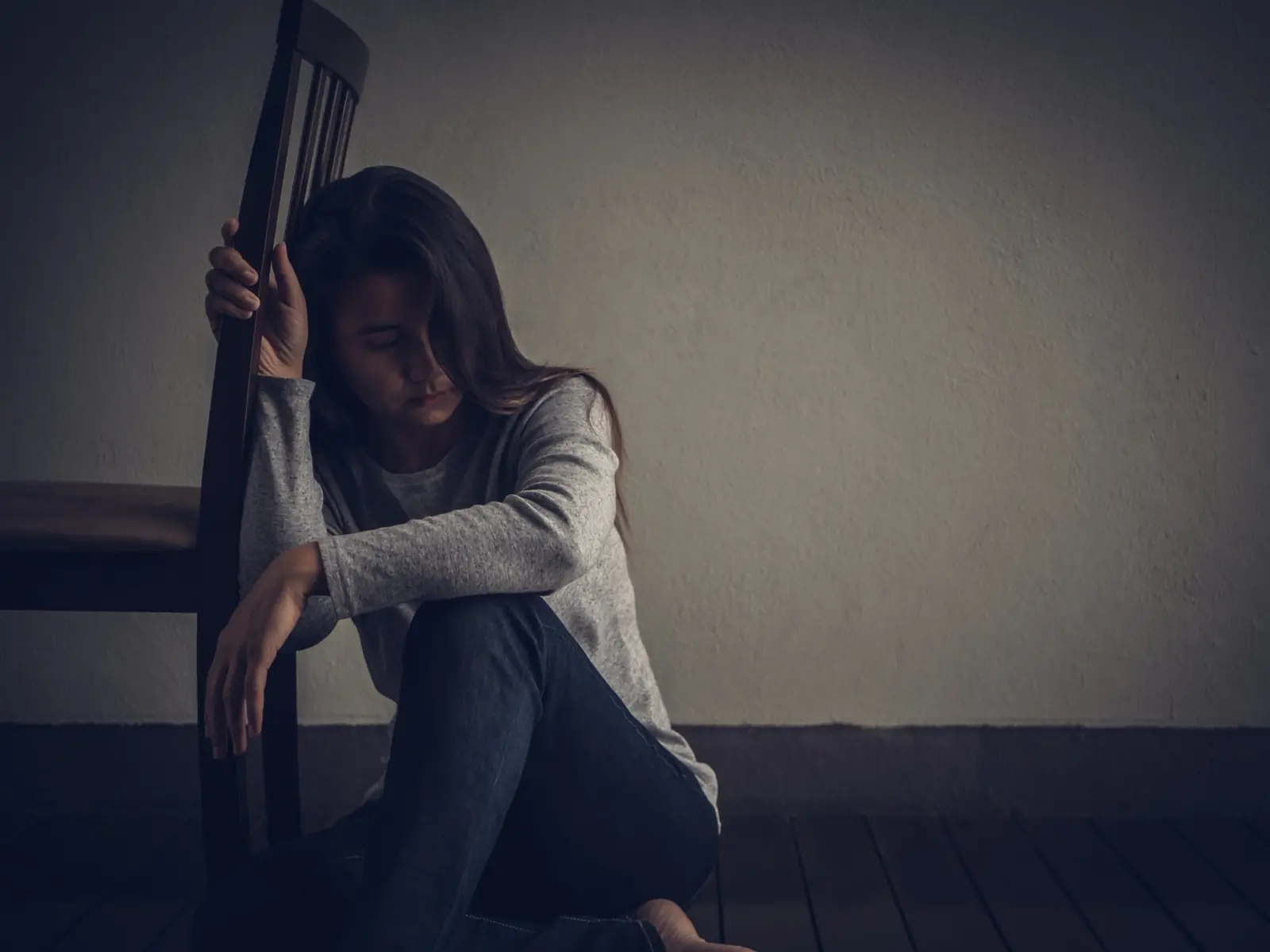
Drug addiction can feel like it's taken everything — your career, your relationships, your sense of self. It hasn't. Addiction is…
Read article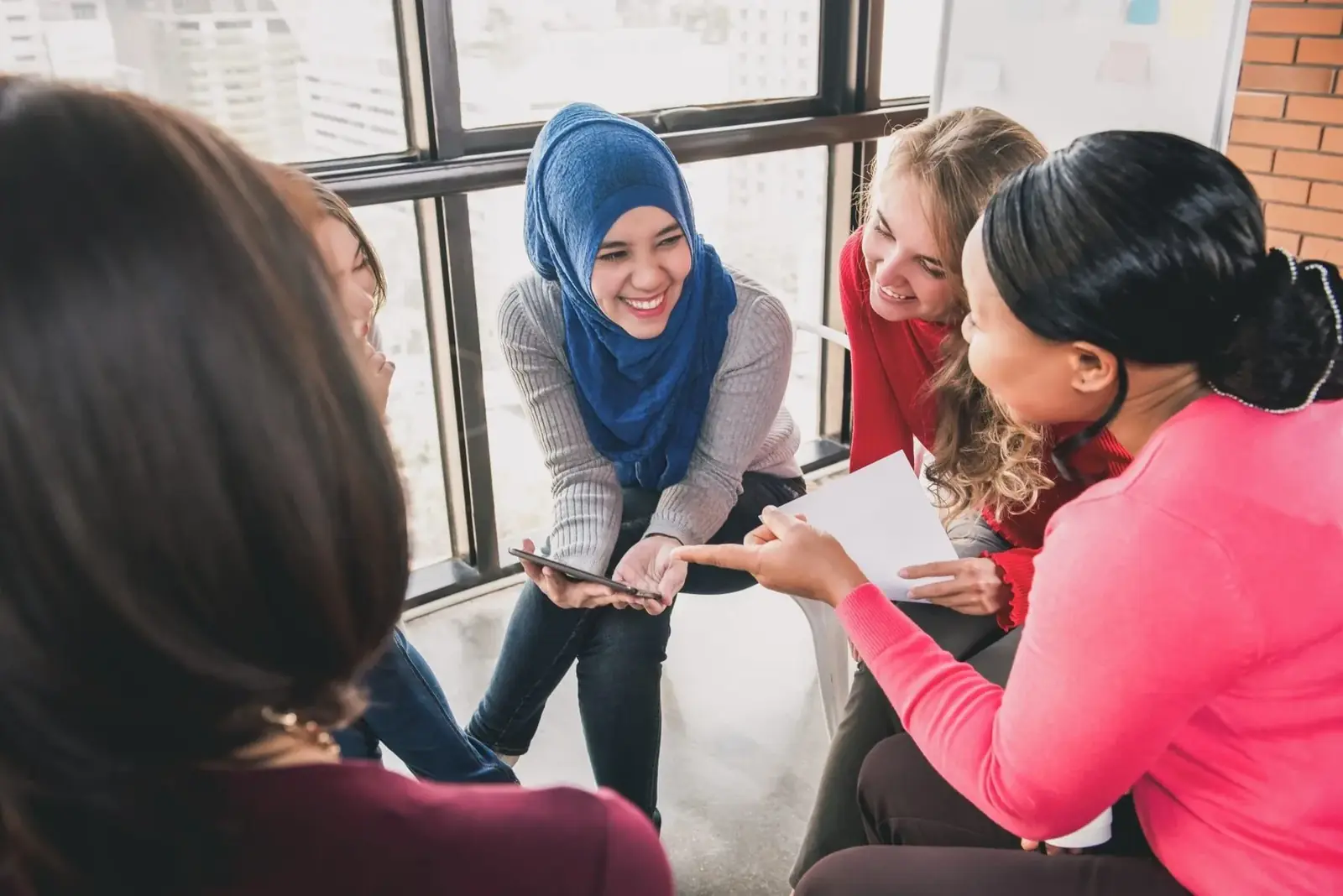
A support system is the network of people, communities, and professionals you can lean on when recovery gets hard. For women, who…
Read article
Federal law provides substantial protection for employees seeking addiction treatment — FMLA covers up to 12 weeks of unpaid leave…
Read article