
Does FMLA Cover Rehab? What You Need to Know About Job-Protected Leave for Treatment
FMLA gives eligible employees up to 12 workweeks of unpaid, job-protected leave in a 12-month period, and treatment for a substanc…
Read articleSince California legalized cannabis in 2016, the cannabis industry has commercialized rapidly — growing stronger, more potent products, aggressive marketing, and wider accessibility. Modern cannabis is far more potent than cannabis from 20 years ago (average THC has risen from 4% to 15%+). Commercialization has benefits (regulated products, tax revenue, reduced incarceration) and risks (higher potency, youth marketing, normalization that may increase use in vulnerable populations). The evidence suggests commercialization increases cannabis-related mental health issues, particularly in young people and those with a family history of psychosis.
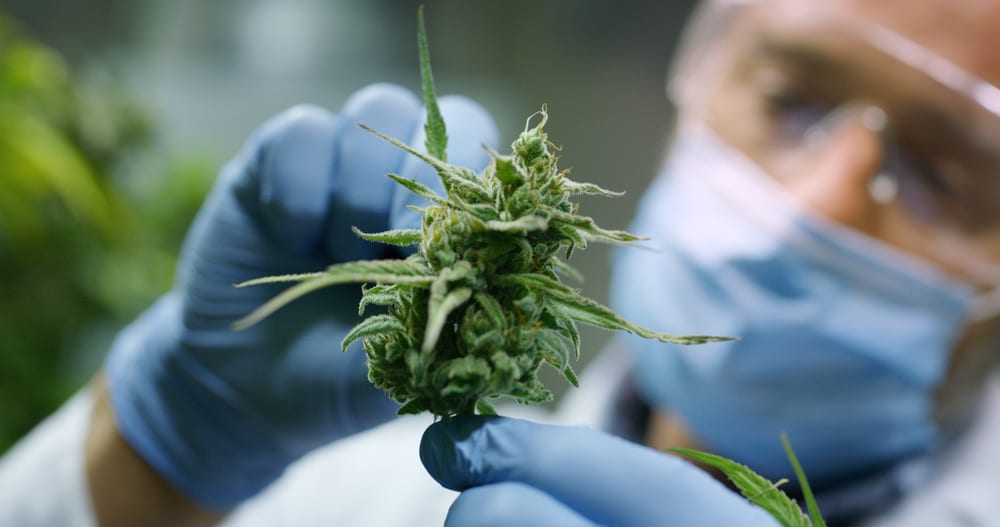
Since California legalized recreational cannabis in 2016, the cannabis industry has exploded. Dispensaries, edibles, concentrates, and cannabis brands are now ubiquitous. But what does this commercialization mean for public health, potency, and who's using cannabis? Here's what the evidence shows.
Legal sales have skyrocketed:
Products have become more diverse:
Marketing has expanded:
One of the biggest changes: cannabis today is far stronger than it was decades ago.
Why it's stronger:
Health implications:
Legalization and commercialization have had real benefits:
Reduced incarceration. Cannabis arrests have dropped dramatically, reducing criminal records for low-level possession.
Regulated products. Legal products are tested for contaminants, pesticides, and potency. Black market products have no oversight.
Tax revenue. California's cannabis taxes have generated billions for education, drug treatment, and public health.
Medical access. People can legally access cannabis for legitimate medical purposes without fear of arrest.
Reduced black market. Legal sales have undercut illegal producers (though black market still exists due to high taxes and licensing barriers).

But commercialization comes with serious public health concerns:
Increased potency = increased risk. Higher-potency products increase risk of dependence, psychosis, and other adverse effects — especially in adolescents and people with genetic vulnerability to psychosis.
Youth access and normalization. Legalization and normalization may increase youth use. Some studies show cannabis use has increased in teens since legalization, though the evidence is mixed.
Marketing to vulnerable populations. Cannabis brands use imagery and messaging that appeals to young people, people of color, and other vulnerable groups.
Mental health impacts. Increasing evidence suggests commercialization and higher potency are linked to rising cannabis-related psychosis and mental health issues.
Driving risk. More accessible cannabis may increase driving under the influence (though the evidence is still developing).
Legalization has changed cannabis users:
Mental health vulnerability: People with a family history of psychosis, schizophrenia, or bipolar disorder are at higher risk for adverse mental health effects from cannabis — especially high-potency products.
Cannabis commercialization reflects a tension: legalization can reduce harm (incarceration, unregulated products) while simultaneously creating new harms (higher potency, wider access, normalization for vulnerable groups).
The evidence suggests:
Safer, yes — legal cannabis is tested and regulated. But "safe" is relative. High-potency legal products still carry risks, especially for vulnerable people.
The evidence is mixed. Some states show slight increases in youth use; others show no change. The relationship between legalization and youth use is complex and not fully understood.
Yes. Potency caps, marketing restrictions (similar to alcohol and tobacco), and stricter youth access controls are policy options some jurisdictions are considering.
Yes. Cannabis use disorder (addiction) affects about 9% of users (higher in people who start young or use daily). High-potency products increase this risk.
Cannabis can trigger or worsen psychosis, especially in people with vulnerability. It can increase anxiety and depression in some users. High-potency products carry higher risk.
Evidence & accountability
This page was reviewed by Zoe Tambling, LMFT on . The references below informed the specific topics noted with each citation.

FMLA gives eligible employees up to 12 workweeks of unpaid, job-protected leave in a 12-month period, and treatment for a substanc…
Read article
Drug addiction can feel like it's taken everything — your career, your relationships, your sense of self. It hasn't. Addiction is…
Read article
Shame says "I am bad." Guilt says "I did something bad." Both feed addiction, and women carry more of both than the cultural scrip…
Read article