
How Women Break the Shame and Guilt Cycle in Recovery
Shame says "I am bad." Guilt says "I did something bad." Both feed addiction, and women carry more of both than the cultural scrip…
Read articleRecovery isn't a quiet, identity-shedding process. It's a chance to come home to who you actually are. Women's History Month, Pride Month, and other identity-honoring moments are not obstacles to sobriety — they're opportunities to celebrate the parts of yourself that addiction tried to dim.
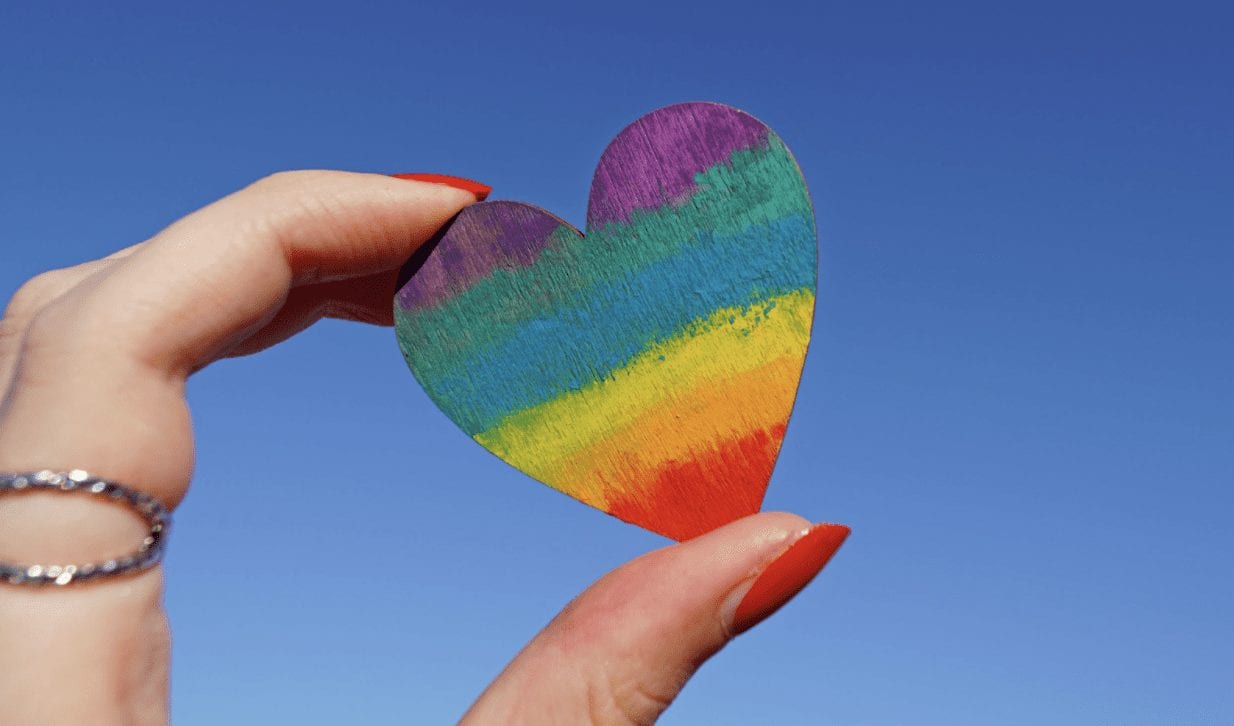
There's a quiet message some women in early recovery absorb: that sobriety means becoming smaller, quieter, less yourself. That message is wrong. Recovery isn't an erasure — it's a return. Whether that's celebrating the women who've come before you, honoring your identity during Pride Month, or marking your own milestones, celebration is part of healing. Here's how to do it without your sobriety becoming the thing that gets in the way.
March is Women's History Month — a moment to honor the women whose stories shaped what's possible. Among them, many publicly faced addiction and built lives on the other side. Their stories aren't just inspirational; they're proof of what's available.
The singer has spoken candidly about her addiction and recovery journey, including relapse and continued growth. "I'm proud of what I've been through and gotten over." Her openness has shifted how a generation of younger women talk about mental health and substance use.
The journalist has written and spoken about her alcoholism and recovery. "I am an alcoholic. It took me a long time to admit that to myself." Her career has continued and her advocacy has been notable since.
The artist has discussed using substances to cover up emotional pain, and the role of music as a path through. "You're doing it to cover up something."
Wrote openly about her struggle with depression and substance use during the early Harry Potter years. "Rock bottom became the solid foundation on which I rebuilt my life."
The actress has been vocal about her recovery from painkiller addiction. "My recovery is the single greatest accomplishment in my life."
The famous names are easy to point to, but Women's History Month is also a chance to honor the women in your own line. The grandmother who got sober when no one was talking about recovery. The aunt who started over at 50. The friend whose sobriety you've quietly admired. They're part of your inheritance, too.
June is Pride Month — and for LGBTQ+ women in recovery, it's a moment that holds particular weight. The intersection of queer identity and substance use is real: research consistently shows LGBTQ+ women face higher rates of substance use disorders than the general population, often connected to minority stress, discrimination, and trauma.
Pride Month is celebration — and it can also be complicated. Many Pride events center on alcohol-soaked nightlife. The community has built much of its visibility in bar culture. For LGBTQ+ women in early recovery, Pride can feel like a holiday that's both yours and not yours.
Here's the honest truth: there are sober ways to celebrate Pride, and they're growing. Sober Pride events. Daytime parades. Community gatherings centered on connection rather than substances. Online communities of LGBTQ+ women in recovery. Your identity doesn't require alcohol to be celebrated.

Decide in advance what you'll do — and what you'll skip — at celebrations involving substances. A specific plan beats a general intention every time.
If you're going to an event, bring someone in recovery, or text someone who is during the event. Connection is the antidote to the romance of "just one drink to celebrate."
Sober women's history events. Sober Pride. Sober bookclubs and meetups. They're more common than they used to be, and they're worth seeking out.
Stay close to why you're at the celebration in the first place — the people, the history, the identity, the meaning. The substance was never the point.
If the energy of an event shifts in a way that's hard for your sobriety, you can leave. Sobriety isn't worth surrendering for a single night of presence.
Anchored Tides Recovery is a women's-only outpatient program in Huntington Beach, California, designed around the reality that women's identities and recovery are inseparable.
Whatever you're celebrating this year, your recovery can be part of how you show up — not what gets in the way.
Call (866) 329-6639 or Verify Your Insurance — confidential, no obligation.
Yes — with planning. Identifying which events are higher risk (alcohol-centered nightlife) and which are lower (daytime parades, community gatherings, sober events) helps you choose. Bring a recovery friend, have an exit plan, and stay close to your support system. Avoiding identity-affirming spaces because of fear isn't sobriety — it's isolation in a different costume.
Women experience addiction differently — biologically, emotionally, and socially. Gender-specific treatment addresses those differences directly. Group dynamics are different. Topics like pregnancy, motherhood, trauma history, body image, and women-specific stigma get the attention they need. Women in women-only treatment often share things they wouldn't share in mixed groups, which changes what's possible in therapy.
Yes. ATR is an inclusive women's program. The work of recovery requires being able to bring your whole self into treatment — and that includes identity. LGBTQ+ women face specific stressors that need to be addressable in treatment, and they are.
Substantial. Women in long-term recovery overwhelmingly point to community — a treatment alumni group, a 12-step meeting, a sober women's circle, an online community, a faith community — as central to staying sober. Identity-affirming community is part of that picture. Recovery in isolation is harder than recovery in connection.
Three things help most. First, ask what she'd like, rather than assuming. Second, plan around her sobriety — choose alcohol-light events, have non-alcoholic options, don't make her sobriety the topic. Third, show up consistently. Big-event support matters; daily support matters more.
Evidence & accountability
This page was reviewed by Zoe Tambling, LMFT on . The references below informed the specific topics noted with each citation.
Shame says "I am bad." Guilt says "I did something bad." Both feed addiction, and women carry more of both than the cultural scrip…
Read article
Federal law provides substantial protection for employees seeking addiction treatment — FMLA covers up to 12 weeks of unpaid leave…
Read article
A spiritual awakening in recovery is the shift from going through the motions to being awake to your own life. It often happens gr…
Read article