
How Women Break the Shame and Guilt Cycle in Recovery
Shame says "I am bad." Guilt says "I did something bad." Both feed addiction, and women carry more of both than the cultural scrip…
Read articleThe cultural pressure on women to be smaller, quieter, and more agreeable creates a specific kind of shame — one that gets internalized as identity. That shame, untreated, becomes one of the most documented drivers of substance use in women. Reclaiming voice — in relationships, in work, in your own head — isn't separate from recovery. It is recovery, for many women.
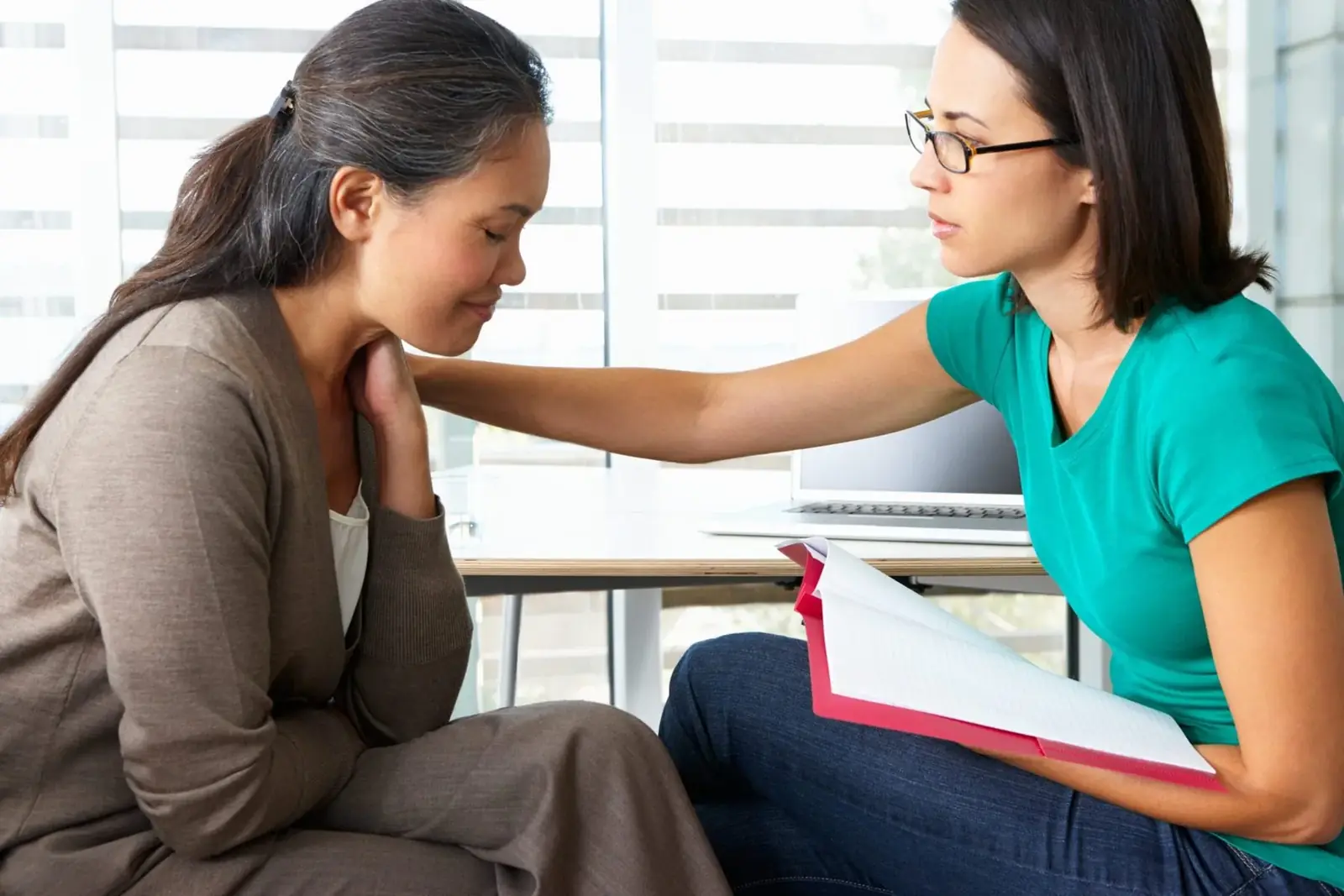
Some progress has been made on gender equality, and it's real. But the underlying script for what makes a woman acceptable hasn't fully changed — and the cost of that, in women's mental health, shows up everywhere. Shame, self-silencing, and the constant calibration of how much voice is safe to take up — these patterns are not personality. They're cultural. And for many women, they're part of how the addiction quietly takes hold. Here's what that connection looks like, and what reclaiming it means.
In workplaces, relationships, and broader social spaces, women who are direct, decisive, or visibly powerful still face resistance — sometimes overt, more often subtle. We live in a society shaped by the historic assumption of men as primary providers and women as supporters. Despite real change, the lingering assumptions show up everywhere: in how women's contributions get attributed, in how directness gets labeled "aggressive," in how women's anger gets diagnosed differently than men's.
It's not only men. Many women, too, can feel uneasy around women who are visibly confident in their power — because the cultural script they internalized doesn't have a place for it. None of this is about blame; it's about naming a pattern that affects how many women experience their own strength.
The reasons women hold back are documented across multiple domains:
When women aren't asking questions, sharing perspectives, or participating fully in conversations, they aren't being represented — and they're also not getting the practice that builds the capacity for voice over time.
Shame and guilt are different. Guilt says "I did something bad." Shame says "I am bad." Both show up in women, but shame disproportionately so.
Women often feel shame over things men would be praised for: accomplishments at work, sexuality, taking up space, being strong, being independent. The very qualities the culture rewards in men are often labeled "too much" in women — and women internalize that judgment as something about who they fundamentally are.
Research backs the pattern. A University of Toronto and Queens University study of adolescents (11–16) found that those more prone to shame were also more likely to have symptoms of depression. The link between shame and anxiety disorders is similarly documented across the literature.
And then — for many women — the substance enters. Not to deal with a specific situation, but to manage the chronic low hum of shame that's always there.
This is one of the most documented patterns in women's addiction research. The work of recovery has to address the shame and silence, not just the substance — because the substance is downstream of the patterns that produced it.

This isn't about becoming someone different. It's about being more fully who you already are. The signs of reclaiming, as they show up in women's recoveries:
Resilience in women's recovery doesn't mean becoming invulnerable. It means developing the capacity to be moved by life — the hard parts and the beautiful parts — without being destroyed by it. Strong, not broken. Sensitive, not fragile. Open, not unprotected.
Most women in recovery don't need to be told they're strong. They've been carrying everyone else for years. What they need to learn is that strength includes the capacity to ask for help, to admit when something is too heavy, to receive support, to rest. The cultural script of female strength as endurance-without-collapse is itself part of the trap. Real resilience includes softness and care for oneself, alongside the capacity to endure.
Anchored Tides Recovery is a women's-only outpatient program in Huntington Beach, California, founded by women, led by women, designed for the actual experience women have.
If you've been holding more than is yours, performing more than is honest, and silencing more than is healthy — that's information worth taking seriously. We can help you put it down.
Call (866) 329-6639 or Verify Your Insurance — confidential, no obligation.
Yes — and it's well-documented. Women's addiction research consistently surfaces shame, trauma, internalized cultural expectations, and self-silencing as central drivers. This isn't speculation; it's what the data shows. The substance is often the most visible part of a much larger picture.
Cultural training from childhood, fear of backlash, the asymmetric criticism women face for the same behaviors men get praised for, and the documented patterns of how women's contributions get received differently. None of this is in any one woman's head — it's a pattern, and naming it as a pattern is part of how it loosens its grip.
Guilt is about behavior — it points to a specific thing you did. Shame is about identity — it says something about who you are. Women internalize shame more often than men, and that internalization is part of what makes recovery work in women's treatment so distinct.
Some of it, yes — through books, podcasts, women's groups, journaling, community. But the deeper patterns, especially those rooted in trauma or long-standing family dynamics, usually benefit from professional support. Therapy provides a contained, expert space to do the work; it accelerates what individual practice slowly builds.
To some people who liked the smaller version of you, yes. To the people who actually love you — and to a new circle that comes in as the old one shifts — no. The version of you who emerges through this work tends to be more honest, more present, more interesting, and more available than the version who was performing the cultural script. Most women describe the trade as worth it many times over.
Evidence & accountability
This page was reviewed by Zoe Tambling, LMFT on . The references below informed the specific topics noted with each citation.
Shame says "I am bad." Guilt says "I did something bad." Both feed addiction, and women carry more of both than the cultural scrip…
Read article
Emotional intelligence — the ability to recognize, understand, and work with your emotions and other people's — is one of the most…
Read article
Self-forgiveness in recovery isn't about excusing what addiction did. It's about stopping the loop of self-attack that keeps you s…
Read article