
The Link Between Sexual Abuse and Addiction
Sexual abuse and addiction are closely linked: trauma can drive substance use as a way to cope, and lasting recovery often depends…
Read articleDomestic abuse and addiction co-occur at rates much higher than the general population — and the relationship between them is bidirectional. Abuse drives substance use as a survival strategy; substance use complicates safety planning and leaving. Approximately 40-60% of women in domestic violence shelters have substance use disorders. Treatment that addresses both — safety first, then trauma and substance use together — produces better outcomes than treating either alone. This article is about the intersection; the next-step resources (above) are what matters most if you're currently unsafe.
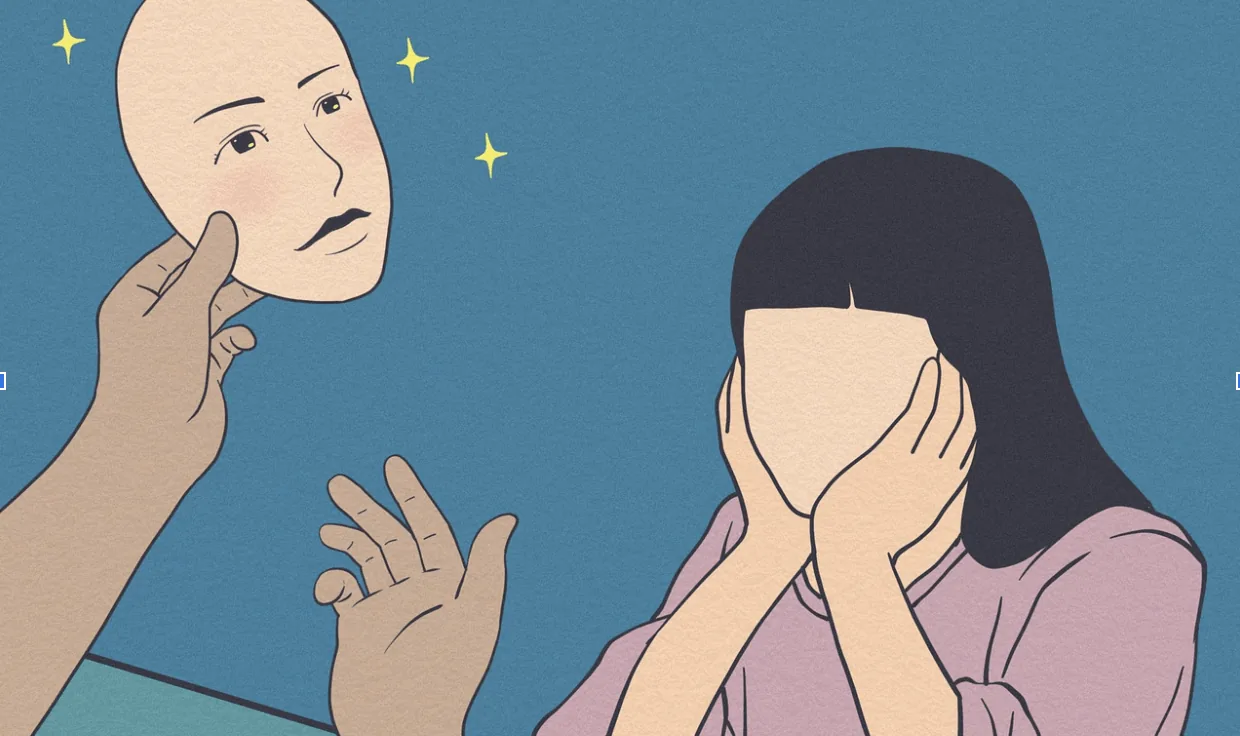
If you've come to this article, you may already be navigating something you didn't have words for. The cultural conversations about abuse and addiction often happen separately — but for many women, they're deeply intertwined. The shame, the secrecy, the survival strategies that look like character flaws from the outside but are actually adaptations to impossible situations. This guide is for women in this intersection, for women who have left and are still navigating it, and for partners and family members trying to understand a pattern that doesn't fit standard narratives.
Domestic abuse isn't only physical. Other forms include:
The question "why doesn't she just leave?" misses what's actually happening. Reasons women stay in abusive relationships include:

Safety planning is what trained advocates help with — and is more useful than generic advice. General elements include:
The National Domestic Violence Hotline (1-800-799-SAFE) can connect you with a trained advocate to develop a personal safety plan. Local domestic violence organizations provide this service for free, confidentially.
The period immediately after leaving is often the most dangerous. Working with a domestic violence advocate, having a safety plan, and sometimes pursuing legal protection (protective orders) are part of this stage.
Housing, finances, childcare, and basic life logistics — often in a different configuration than they were during the relationship. Many women need support from multiple agencies during this stage.
Once basic safety is established, the deeper work of treating the trauma (often PTSD or Complex PTSD) and the substance use that developed alongside the abuse can begin. Treating these together — rather than sequentially — produces better outcomes.
Friendships, family relationships, identity, work, sometimes parenting in a new context. This is a years-long process, often supported by individual therapy, women's recovery community, and continued connection with domestic violence services.
If you're navigating both abuse and addiction, you need both kinds of support. Our team can coordinate with domestic violence services to provide integrated care — and a confidential conversation can help you understand what's available.
Call (866) 329-6639 or Verify Your Insurance — confidential, no obligation.
If you're in immediate danger, call 911 or the National Domestic Violence Hotline at 1-800-799-7233.
If you're asking the question, it's worth talking to someone who can help you sort it out. Abuse isn't only physical — emotional control, financial control, isolation, persistent criticism, intimidation, sexual coercion, and digital surveillance are all forms of abuse. The National Domestic Violence Hotline (1-800-799-SAFE) can help you understand what you're experiencing, confidentially and without pressure.
This concern is legitimate. Strategies that help: documenting abuse separately from any substance use; working with both a domestic violence advocate and an addiction professional who understand the intersection; pursuing addiction treatment proactively (often protective in legal proceedings); having advocates and clinicians who can speak to the context. The unfortunate reality is that women's substance use is sometimes weaponized against them — and proactive, documented engagement with treatment is often the strongest counter.
Sometimes, but the rates are lower. Active abuse drives substance use; the same substances are providing crucial nervous-system regulation in an unsafe situation. Many women find that some stabilization is possible inside the relationship but full sustained recovery requires the safety that leaving (or significant change in the relationship) provides. Outpatient programming can support a woman wherever she is in this process.
This is itself a form of abuse — substance-related control. Working with both a domestic violence advocate and an addiction professional who understand this dynamic is the path. There are often ways to access treatment your partner isn't aware of, through agencies that protect women's confidentiality. The admissions process can be coordinated to minimize visibility if that's a safety concern.
Concerns about children keep many women in abusive situations. The reality is complex — staying with an abusive partner exposes children to harm; leaving with active addiction creates custody risk. Working with both domestic violence services and family-system clinicians who understand these dynamics produces better outcomes than navigating alone. CPS involvement, when it happens, is often less catastrophic than feared if mothers are proactively engaged with treatment and DV services.
Evidence & accountability
This page was reviewed by Zoe Tambling, LMFT on . The references below informed the specific topics noted with each citation.

Sexual abuse and addiction are closely linked: trauma can drive substance use as a way to cope, and lasting recovery often depends…
Read article
Behavioral addictions — gambling, shopping, sex, gaming, food, exercise, work, internet/social media — engage the same brain rewar…
Read article
Addiction in women is shaped by biology, psychology, and culture in specific ways that don't appear in the male-centered version o…
Read article