
How Long Does Ativan Stay in Your System?
Ativan (lorazepam) is detectable in urine tests for 4–7 days for occasional use and up to 30 days for chronic heavy use. Blood tes…
Read articleTramadol is detectable in urine tests for 2–3 days in occasional users and up to 5 days in regular users. Blood tests show positive for 12–24 hours, saliva tests for 24–48 hours, and hair tests for up to 90 days. Tramadol has a longer half-life than many opioids (~6–7 hours), meaning it stays in the system longer than morphine or heroin. Detection windows depend on dose, frequency of use, metabolism, body composition, liver and kidney function, and individual variation.
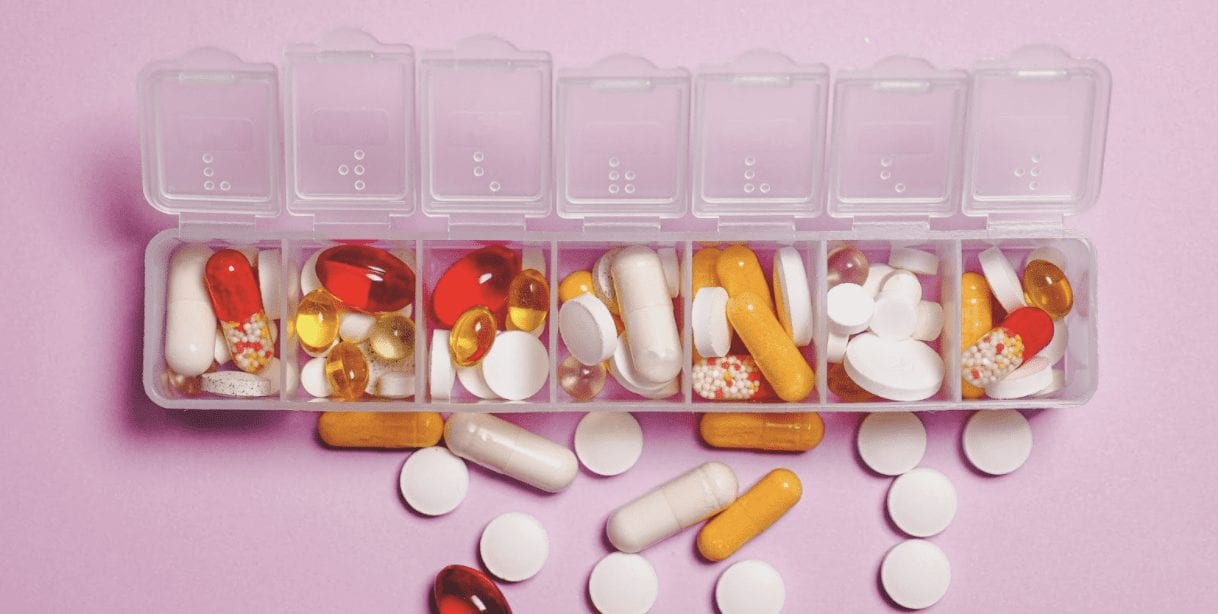
Tramadol is a prescription opioid pain medication. It's also one of the most commonly misused prescription drugs — prescribed legitimately for pain, but also sought for its euphoric effects and addiction potential. If you're wondering how long tramadol stays detectable in your body, whether for a drug test or out of concern about your own use, understanding the detection windows is a practical first step.
Urine is the most common drug screening method for tramadol:
Tramadol has a longer half-life (~6–7 hours) than morphine (~2 hours) or heroin (~30 minutes), so it stays detectable longer than some other opioids.
Blood tests detect tramadol for a shorter window:
Tramadol is metabolized quickly by the liver, so blood tests become negative within 1–2 days for most people.
Saliva testing is less common for opioids but is used in some workplace screening:
Saliva tests are less reliable for tramadol than urine or blood because tramadol concentrations in saliva are variable.
Hair tests detect tramadol the longest:
Hair testing is less common for opioids than for stimulants, but it can reveal long-term use patterns.

Frequency of use. One-time users clear tramadol faster than chronic users. Frequent use leads to accumulation in fatty tissue and longer detection times.
Dose. Higher doses stay in the system longer. A 50 mg dose clears faster than a 400 mg daily regimen.
Body weight and composition. Tramadol is fat-soluble. People with higher body fat store it longer. Weight also affects how the body processes medications (heavier people may clear tramadol faster in some cases).
Metabolism. Individual variation in liver enzyme function affects clearance. Slower metabolism = longer detection.
Liver and kidney function. Tramadol is metabolized by the liver and excreted by the kidneys. Impaired liver or kidney function significantly extends detection times. This is especially important for older adults and people with chronic health conditions.
Age. Older adults often have slower metabolism and may have reduced kidney function, both of which extend tramadol detection windows.
Medications and supplements. Drugs that inhibit the CYP3A4 enzyme (which metabolizes tramadol) — such as some antidepressants, antifungals, and antiretrovirals — can prolong tramadol detection time.
Hydration. Well-hydrated urine dilutes tramadol concentrations, potentially lowering them below test thresholds. Dehydration concentrates it, extending detection time.
Tramadol carries a black-box warning for addiction and overdose risk. If you're using tramadol regularly — especially without a prescription, or at higher doses than prescribed — the fact that it stays in your system for days is only one part of the concern. The bigger issue is whether the use itself has become dependent or harmful.
Many people searching for tramadol detection times are quietly wondering if their use has become a problem. If that's you, that's worth taking seriously. Tramadol addiction can develop quickly, and withdrawal can be uncomfortable (physical symptoms like muscle aches, sweating, and sleep disruption, plus anxiety and mood disturbance). Professional support makes a significant difference.
Standard 5-panel tests do not detect tramadol. Tramadol-specific tests or extended opioid panels are needed. If your employer or a legal situation involves drug testing, ask which specific drugs are being tested for — tramadol may not be included.
Tramadol is a prescription medication, which means it's regulated and quality-controlled — unlike street opioids. However, it still carries high addiction risk, overdose potential (especially when combined with other CNS depressants like alcohol or benzodiazepines), and withdrawal symptoms. "Safer" is a relative term; tramadol is not without serious risk.
No. The liver metabolizes tramadol at a fixed rate. Exercise, sauna, hydration, or supplements don't meaningfully accelerate clearance. Time is the primary variable.
If you have a legitimate prescription, inform the testing facility or employer beforehand. A prescription is a legal defense against a positive result. Transparency is your protection.
Tramadol's euphoric effects (more pronounced than other prescription opioids) plus its accessibility make it high-risk for addiction. Tolerance develops quickly, leading people to increase doses. Dependence — both physical and psychological — can develop within weeks of regular use.
Evidence & accountability
This page was reviewed by Zoe Tambling, LMFT on . The references below informed the specific topics noted with each citation.

Ativan (lorazepam) is detectable in urine tests for 4–7 days for occasional use and up to 30 days for chronic heavy use. Blood tes…
Read article
MDMA (molly/ecstasy) is detectable in urine tests for 1–3 days for occasional use and up to 5 days for frequent use. Blood tests t…
Read article
Medication-Assisted Treatment (MAT) — methadone, buprenorphine (Suboxone, Subutex), or naltrexone — is one of the most evidence-ba…
Read article