
Can Crystals Help Anxiety? What Science Says
There is no scientific evidence that crystals have intrinsic healing properties or can directly treat anxiety. However, the ritual…
Read articleBurnout and depression share symptoms — exhaustion, low motivation, cynicism — but they're not the same thing. Burnout is the result of chronic, unsustainable demand. Depression is a clinical mood disorder with biological and psychological dimensions. Burnout often resolves with rest, structural change, and reduced demand; depression typically requires clinical treatment. The two often co-exist, particularly in women, which is why they're commonly confused. Knowing which you're dealing with — and addressing it appropriately — is the difference between getting better and getting more depleted.

You're exhausted. You don't want to do anything. The things that used to feel meaningful feel hollow. You're not sure if you're depressed, burned out, or just tired. The distinction matters — burnout and depression need different things. Treating burnout like depression often misses the structural problem; treating depression like burnout often leaves a clinical condition untreated. Here's how to tell, and what helps each.
Burnout is now recognized as an occupational phenomenon in the WHO's International Classification of Diseases. It's characterized by three dimensions:
Burnout develops over time from chronic, unsustainable demand. It's a response to environment, not a brain-state disorder. The treatment for burnout addresses the demand: reducing it, restructuring it, or removing the woman from it. Resting in the same environment usually doesn't resolve it — the demand resumes the moment the rest ends.
Major Depressive Disorder is a clinical mood disorder with biological and psychological dimensions. Its core features:
Depression doesn't resolve through environmental change alone, though environmental factors contribute. Treatment typically involves therapy (CBT and IPT are strongly evidence-based), often medication (SSRIs and SNRIs), and lifestyle interventions. Depression can co-occur with burnout but is its own condition requiring its own treatment.
In real life, the categories overlap. Common pathways:
If you have both, you usually need to address both. Treating just the burnout while depression persists leaves you depleted. Treating just the depression while the burnout-driving structure remains undermines treatment gains.

Burnout is fundamentally a demand-supply mismatch. Sustainable solutions reduce demand or increase resources:
If you've recognized yourself in both columns, you probably need both kinds of intervention:
Many women's lives are not structured to allow this — caregiving, financial constraints, and lack of support make "step back to heal" feel impossible. In those situations, treatment has to start where the woman actually is — usually with outpatient clinical care that fits real life, alongside whatever structural change is possible.
If you've been carrying something that's started feeling more like depression than burnout — or if both are present and you're not sure where to start — a confidential conversation can help you sort it out.
Call (866) 329-6639 or Verify Your Insurance — confidential, no obligation.
Quick test: if you took a real two-week vacation, would you feel substantially better? If yes, likely burnout. If no — if you'd still feel low and unmotivated even with full rest — likely depression. The other test: is the joy gone in non-work parts of life too? Pervasive anhedonia points to depression; preserved pleasure outside the stressor points to burnout. When uncertain, a clinical assessment is the most reliable way to know.
Yes — sustained burnout is a documented risk factor for depressive episodes. The transition often happens slowly: chronic exhaustion shifts into pervasive low mood, anhedonia develops, hopelessness sets in. Catching this transition early — and adding clinical treatment to structural change — produces better outcomes than waiting for full depression to develop.
Therapy can help with burnout, particularly therapy focused on boundaries, workplace dynamics, family-of-origin patterns affecting capacity to set limits, perfectionism, or caregiver patterns. But therapy alone usually doesn't solve burnout if the underlying demand structure isn't also addressed. The most effective burnout interventions combine therapeutic insight with structural change.
Depends on severity and personal preference. Mild depression often responds to therapy and lifestyle interventions alone. Moderate-to-severe depression typically responds better to combined treatment (therapy plus medication). The decision is personal and clinical — a psychiatrist or prescriber can help you weigh options. Many women try therapy first and add medication if needed.
Often yes, even at moderate doses. Alcohol is a central nervous system depressant — it directly worsens depression, disrupts the sleep depression needs to be treated, and amplifies anxiety in the days after drinking. Many women in mid-recovery describe an unexpected lift in mood within weeks of cutting alcohol, separate from any other treatment they're doing. If alcohol has been part of your coping, addressing it is often part of treating the depression.
Evidence & accountability
This page was reviewed by Zoe Tambling, LMFT on . The references below informed the specific topics noted with each citation.
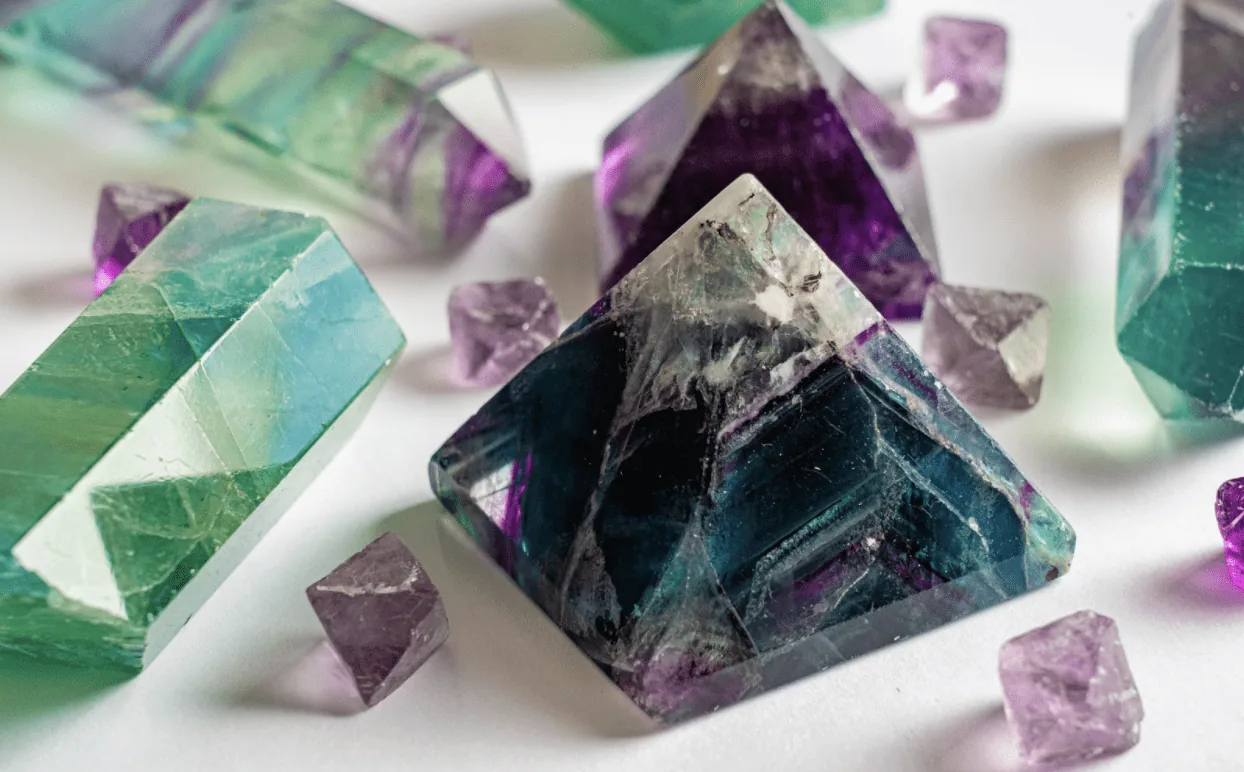
There is no scientific evidence that crystals have intrinsic healing properties or can directly treat anxiety. However, the ritual…
Read article
Emotional support animals (ESAs) are pets that provide comfort through their presence and bond with their owner, but they don't ha…
Read article
Research suggests yoga — including hot yoga — can be a helpful complementary tool for managing depression symptoms. The practice c…
Read article