
How Holistic Approaches Actually Help With Anxiety
Holistic approaches to anxiety can be effective on their own for mild anxiety and as complements to clinical care for moderate-to-…
Read articleThere is no scientific evidence that crystals have intrinsic healing properties or can directly treat anxiety. However, the ritual of using crystals — holding one, carrying it, meditating with it — can create a placebo effect or serve as a mindfulness anchor, which *can* help anxiety. The benefit comes from the practice (slowing down, focusing, self-care), not the crystal itself. For clinical anxiety, evidence-based treatments (therapy, medication, breathing exercises) are far more effective. Crystals can be part of a self-care toolkit, but they're not a treatment.
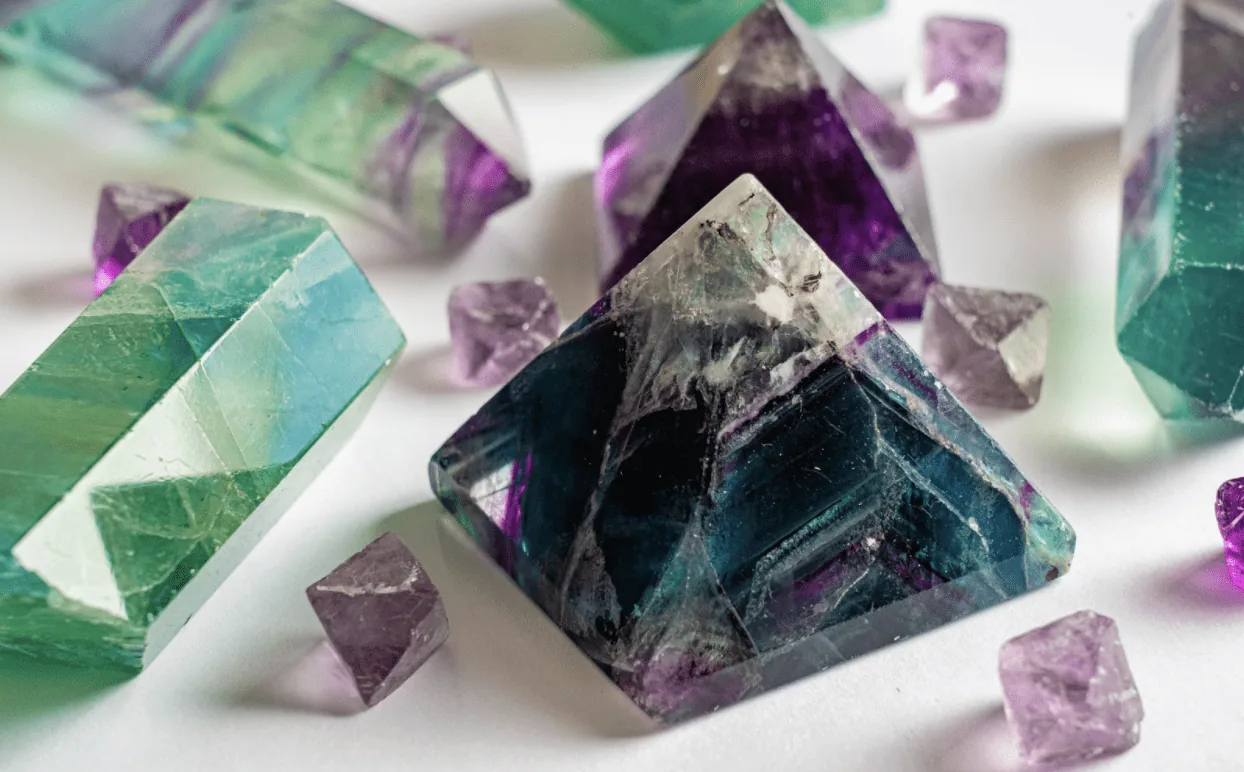
Crystals are popular in wellness culture, and many people claim they've helped with anxiety, stress, and mood. Amethyst for calm, rose quartz for self-love, black tourmaline for grounding — the appeal is understandable. But can crystals actually help anxiety, or is it all placebo? The answer is more nuanced than a simple yes or no.
The evidence. There are no peer-reviewed, controlled studies showing that crystals have intrinsic healing properties or can treat anxiety, depression, or any medical condition. Crystals do not emit measurable therapeutic energy. They are not bioactive in the way medications or evidence-based therapies are.
But wait — what about placebo? Placebo effects are real and measurable. If you believe a crystal will help you relax, and that belief causes you to slow down, breathe more deliberately, and focus inward — your anxiety may genuinely decrease. The relief is real, even if the mechanism isn't the crystal's "energy."
The bottom line: Crystals don't work as medicine. But the *ritual* around crystals — meditation, self-care, intention-setting — can work for some people because those practices are grounding.
If you're using crystals and they seem helpful, here's what's likely happening:
Mindfulness anchor. Holding a crystal during meditation or breathing exercises gives your mind a focal point. This is the same principle as prayer beads, worry stones, or a smooth river rock — the object itself isn't magic, but the ritual is grounding.
Placebo effect. If you expect a crystal to calm you, and you use it mindfully, your nervous system may respond. The placebo effect is not "fake" — it's a real neurobiological response, especially for conditions like anxiety that are highly influenced by expectations and perception.
Self-care signal. Choosing a crystal, keeping it nearby, and using it as part of a wellness routine sends a signal to yourself: "I'm taking care of my mental health." That intention, not the crystal, is therapeutic.
Ritual and meaning. Humans find comfort in ritual. If a crystal feels meaningful to you, the meaning you assign to it — combined with the pause or reflection it prompts — can be genuinely calming.
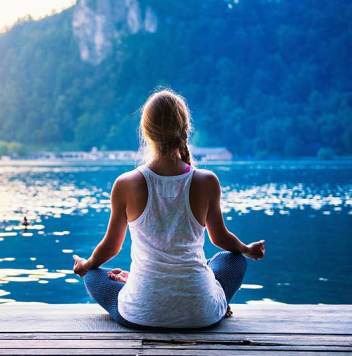
If you're struggling with anxiety, evidence-based treatments are far more effective:
Cognitive-behavioral therapy (CBT). Changes how you think about and respond to anxiety triggers. Highly effective.
Exposure therapy. Gradual, controlled exposure to anxiety-provoking situations, reducing avoidance and fear over time.
Medication. SSRIs, SNRIs, and other anxiety medications are well-researched and effective for many people.
Breathing and mindfulness. Controlled breathing (box breathing, 4-7-8 technique) and mindfulness meditation have strong research support.
Lifestyle. Regular exercise, adequate sleep, reducing caffeine, limiting alcohol — foundational for anxiety management.
Therapy modalities. EMDR for trauma-related anxiety, DBT for emotion regulation, somatic therapies for body-based anxiety.
Crystals can have a place in a wellness toolkit, but not as a primary treatment:
As a self-care ritual, they're fine. If holding an amethyst makes you pause, breathe, and ground yourself, that's valuable — even if the benefit comes from the mindfulness, not the crystal.
As a placeholder for real treatment, they're harmful. If you have clinical anxiety and use crystals instead of seeking therapy or medical care, you're delaying effective treatment.
As part of a bigger picture, they work. Crystal + therapy + exercise + sleep + community support = actual healing. Crystal alone = not enough.
No. Crystals don't emit measurable energy that affects human biology. They're beautiful minerals, and the beauty and ritual can be psychologically grounding, but there's no scientific mechanism by which they heal.
Placebo effects are real and powerful, especially for subjective experiences like anxiety. However, for serious anxiety, placebo alone isn't reliable. Combining a crystal practice with actual evidence-based treatment (therapy, medication, breathing) is much more effective.
No. Clinical anxiety needs clinical treatment. Crystals can be a nice complement, but they're not a substitute.
Not at all. If crystals feel meaningful and grounding to you, keep using them. Just don't rely on them as your primary tool for managing anxiety. Combine them with actual treatment.
Some crystals can contain toxic minerals if ingested (like malachite or azurite). For holding and carrying, they're safe. Just don't put them in water for drinking or make crystal essences without research.
Evidence & accountability
This page was reviewed by Zoe Tambling, LMFT on . The references below informed the specific topics noted with each citation.
Holistic approaches to anxiety can be effective on their own for mild anxiety and as complements to clinical care for moderate-to-…
Read article
Emotional support animals (ESAs) are pets that provide comfort through their presence and bond with their owner, but they don't ha…
Read article
Research suggests yoga — including hot yoga — can be a helpful complementary tool for managing depression symptoms. The practice c…
Read article