
When Exercise Stops Being Healthy — and What to Do About It
Yes — exercise can become a behavioral addiction. The pattern includes compulsive working out despite injury or exhaustion, distre…
Read articleThe fear of eating in front of others — sometimes called deipnophobia — is a form of social anxiety often rooted in shame, past experiences, or underlying disordered eating patterns. For many women, it isn't really about food. It's about feeling watched, judged, or unsafe at the table. With trauma-informed support, nutritional guidance, and women-only group work, healing is possible.
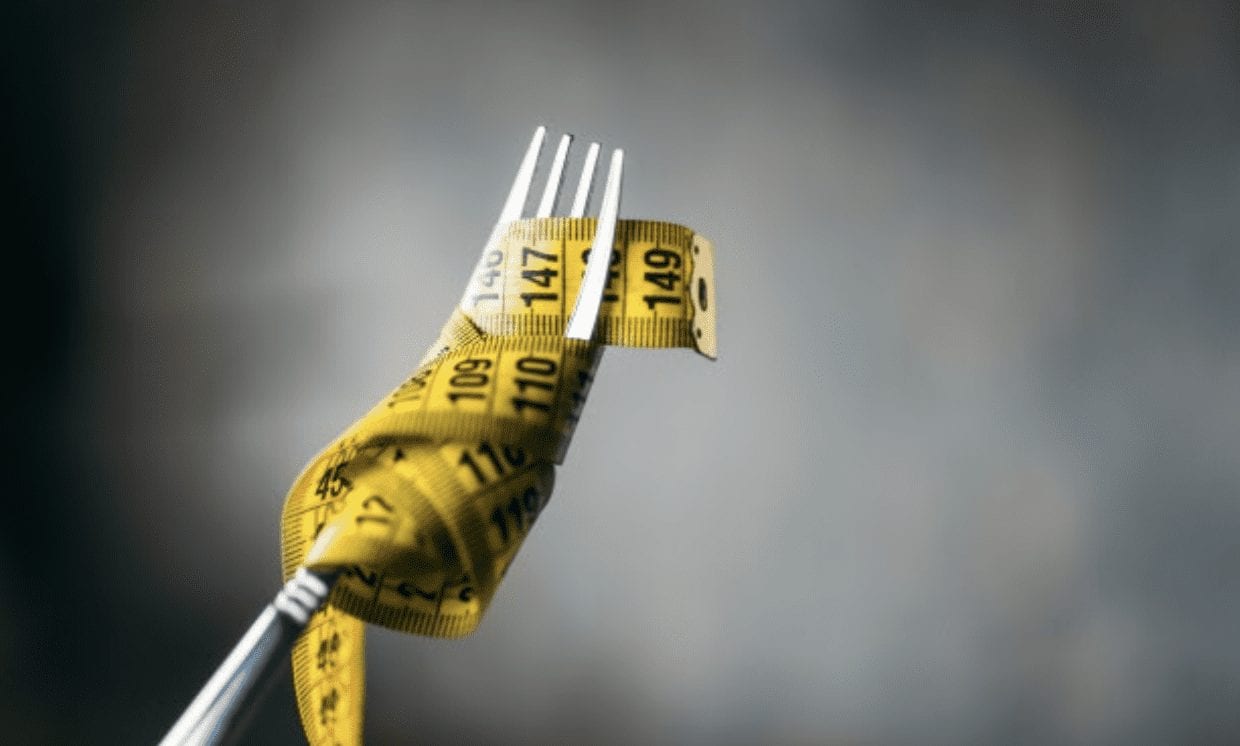
You sit down at a restaurant with friends and your appetite vanishes. You eat in the car so no one watches. You'd rather skip lunch at work than risk feeling exposed at a table. If this sounds familiar, you aren't alone — and you aren't broken. The fear of eating in front of others is more common than most women realize, and it's almost never just about the food.
The fear of eating in front of others — clinically referred to as deipnophobia — is a type of social anxiety. It's the experience of intense discomfort, panic, or dread when eating in someone else's presence. The fear can be tied to general social anxiety, body image, past comments or trauma, or a deeper relationship with food that needs attention.
It often shows up as:
Many women have lived with this for years without naming it. Naming it is the first step toward releasing the grip it has.
The fear rarely shows up in isolation. It tends to grow out of several intertwined sources.
At its core, this fear is a form of social anxiety: the worry that other people are watching, judging, or forming opinions about you in the moment. Eating — something deeply personal — happens in public. That contradiction creates pressure.
Many women carry a quiet belief that how they eat, what they eat, or how much they eat is being evaluated. The fear of negative judgment can become paralyzing. Some women eat very little around others, then return home and eat normally — or not at all.
Negative comments about your body, food, or eating habits can leave lasting marks. So can being teased, criticized, or shamed at a family table growing up. The body remembers what the mind tries to move on from.
This fear often sits at the intersection of anxiety and disordered eating patterns. The fear of being seen eating can be both a symptom of an existing pattern and a reinforcer of it.
Anorexia. Severe restriction is often hidden. Eating in front of others feels like exposure — like the secret being uncovered. Many women with anorexia avoid social eating entirely.
Bulimia. Cycles of binge eating followed by purging carry their own shame. Eating in public can trigger fear that someone will notice, or that the cycle will become visible.
Binge Eating Disorder. Eating large amounts in short windows feels safest when no one is watching. Public eating becomes restrained and uncomfortable; private eating becomes overwhelming.
Other patterns. Not every difficulty with food fits a textbook diagnosis. Disordered eating exists on a spectrum, and many women experience patterns that don't have a clean label but still cause real distress.

The longer the fear goes unaddressed, the more it takes.
Persistent anxiety around meals can stretch into low mood, isolation, and a shrinking social life. Many women describe a feeling of loneliness that builds over time, even when they're surrounded by people.
When eating becomes anxiety-driven, the body doesn't get what it needs. Common consequences include fatigue, hormonal disruption, gastrointestinal issues, weakened immunity, and — in cases tied to restriction — muscle loss, bone density loss, and metabolic disruption.
If you're consistently skipping meals, losing weight unintentionally, or feeling physically unwell, this is worth talking to a clinician about — soon, not eventually.
Healing this fear isn't about forcing yourself to eat at every social event. It's about understanding what's underneath it and building a different relationship with food, your body, and the people around you.
Trauma-informed therapy. Modalities like EMDR, DBT, and CBT help process the experiences that planted the fear — body comments, trauma, family dynamics — so they stop driving the behavior.
Nutritional support with a registered dietitian. A dietitian who understands disordered eating can help you rebuild trust with food without rules, restriction, or shame.
Group support with other women. There's something specific about sitting in a room of women who get it. Group work for disordered eating is often where the real shift happens.
Time and consistency. This kind of healing rarely moves in a straight line. Progress looks like small wins — eating one meal at a table with someone you trust — not a flipped switch.
Anchored Tides Recovery is a women's-only outpatient program in Huntington Beach, California. Our Disordered Eating with Nutritionist Support track is built specifically for women whose relationship with food, body, and self-worth needs care — whether or not it fits a textbook diagnosis.
We offer:
If you'd rather not figure this out alone, we can talk. No pressure, no obligation.
If eating around others has been quietly stealing your social life, your energy, or your peace of mind, you deserve support that actually addresses what's underneath it.
Call (866) 329-6639 or Verify Your Insurance — confidential, no obligation. Women-only environment, founded and led by women, JCAHO accredited.
Yes. It's clinically recognized as a specific form of social anxiety, sometimes called deipnophobia. It can stand on its own or sit alongside disordered eating, generalized anxiety, or trauma.
Yes. Some women experience restriction alongside cycles of binge eating and purging — sometimes informally called "bulimic anorexia." It's more common than most people realize.
Disordered eating describes a wide range of patterns — restrictive dieting, food preoccupation, emotional eating, body-image-driven food rules — that disrupt your relationship with food and your body but may not meet the full diagnostic criteria for an eating disorder like anorexia, bulimia, or binge eating disorder. The distinction matters clinically, but emotionally, both are real and both deserve care. You don't have to wait for a diagnosis to ask for help.
We move at your pace. Group meals are part of how women heal at our level of care, but they're approached gradually, with support, and in the context of the work we're doing in therapy. No one is dropped into something they aren't ready for.
Three things matter most: don't comment on their body, food, or portion sizes; don't make eating a power struggle; do gently encourage them to talk to someone who specializes in disordered eating. Your steady presence helps more than advice.
Evidence & accountability
This page was reviewed by Zoe Tambling, LMFT on . The references below informed the specific topics noted with each citation.

Yes — exercise can become a behavioral addiction. The pattern includes compulsive working out despite injury or exhaustion, distre…
Read article
Adderall and eating disorders co-occur in women at significantly higher rates than the prescribing patterns acknowledge. The appet…
Read article
The holiday season is one of the highest-risk periods for women in recovery — substance use spikes substantially, depression and a…
Read article