The Role of Trauma-Informed Therapy in Long-Term Sobriety

The Role of Trauma-Informed Therapy in Long-Term Sobriety

For many women, addiction is not simply about substances—it is about surviving experiences that overwhelmed the nervous system, fractured one’s sense of safety, or created emotional burdens too heavy to carry alone. Trauma affects how the brain processes stress, how the body holds fear, and how a woman learns to cope when feelings become unmanageable.

SAMHSA identifies trauma as widespread, harmful, and deeply tied to long-term mental and behavioral health outcomes, including substance use.¹ When trauma goes unaddressed, sobriety can feel unstable or short-lived, and relapse can become more likely during moments of emotional overwhelm.

This is why trauma-informed therapy is a critical foundation for long-term sobriety. It offers a compassionate, evidence-based approach that validates a woman’s lived experiences and helps her rebuild internal safety, emotional resilience, and trust in herself.

For women seeking recovery that honors the full context of their story, trauma-informed care provides support rooted in empowerment, healing, and dignity.

Learn more about our approach here: Trauma-Informed Care for Women

What to Know

Trauma-informed therapy helps women achieve long-term sobriety by addressing the deep emotional wounds and stress responses that often drive substance use. By creating safety, teaching regulation skills, and empowering women to process trauma at their own pace, this approach reduces relapse risk and supports lasting recovery. When trauma is understood and healed, sobriety becomes more stable, sustainable, and rooted in self-trust.

What Is Trauma-Informed Therapy?

Trauma-informed therapy recognizes that trauma influences a person’s thoughts, emotions, behaviors, relationships, and overall well-being. Instead of asking, “What’s wrong with you?” this therapeutic framework asks:

“What happened to you—and what do you need to heal safely?”

According to SAMHSA’s Trauma-Informed Care in Behavioral Health Services, trauma-informed therapy follows six guiding principles designed to ensure emotional and physical safety throughout treatment:¹

  1. Safety
  2. Trustworthiness & Transparency
  3. Peer Support
  4. Collaboration & Mutuality
  5. Empowerment, Voice & Choice
  6. Cultural, Historical & Gender Sensitivity

These principles reduce the risk of re-traumatization and support a healing environment where women can begin processing experiences that may have shaped their addiction. When therapy is rooted in safety and empowerment, women can move through treatment with greater confidence, emotional stability, and self-compassion.

How Trauma Shapes Addiction and Why Treating Trauma Supports Sobriety

Understanding trauma’s effect on the brain and nervous system helps explain why trauma-informed therapy is essential for sustainable recovery. Traumatic experiences—especially those involving fear, loss, or violation—can overwhelm the body’s ability to regulate stress.

Many women turn to substances to cope with:

What begins as temporary relief often becomes a long-term pattern of dependence.

Trauma as a Predictor of Relapse

Trauma that remains unprocessed can trigger intense emotional reactions, avoidance behaviors, or distressing body sensations. These trauma-based triggers increase the risk of relapse, especially when a woman feels overwhelmed or unable to regulate her emotions.

A 2024 PubMed study found that trauma-informed substance use treatment significantly improves long-term outcomes, reducing emotional distress and supporting treatment retention.² When women gain tools to manage trauma responses, sobriety becomes more stable and sustainable.

Why Women Are Impacted Differently

Women experience higher rates of interpersonal trauma, including domestic violence, childhood abuse, emotional neglect, and sexual trauma.³ These experiences create deeper relational wounds and require a therapeutic approach grounded in sensitivity, empowerment, and gender-informed care.

Key Components of Trauma-Informed Therapy That Support Long-Term Sobriety

Trauma-informed therapy is not one specific technique—it is a framework that transforms how treatment is delivered. For women in recovery, several components are especially important.

Safety is the first stage of trauma recovery.¹ Women need an environment where they feel emotionally, physically, and psychologically secure before deeper trauma processing can begin. Stabilization work includes grounding skills, nervous system regulation, and emotional coping strategies—all essential tools in preventing relapse.

Trauma lives not only in memory but in the body. Through trauma-informed therapy, women learn to:

  • recognize internal cues such as tension, panic, or dissociation
  • identify external triggers tied to past trauma
  • interrupt automatic coping patterns linked to substance use
  • respond with healthier, more stabilizing tools

Understanding triggers helps women regain control over their emotional landscape.

When clinically appropriate and at the client’s pace, trauma-informed therapy may incorporate:

SAMHSA notes that trauma healing is multi-stage, requiring careful pacing, choice, and readiness.¹ The emphasis is not on re-experiencing trauma but on reducing its power over a woman’s present and future.

Trauma often impairs emotional regulation, making distress feel intolerable. Trauma-informed therapy helps women strengthen:

  • emotional resilience
  • distress tolerance
  • self-soothing skills
  • the ability to stay grounded during challenging moments

These skills directly support relapse prevention.

Trauma can diminish a woman’s sense of control, agency, or worth. Trauma-informed therapy centers on empowerment, helping women:

  • reclaim their voice
  • set boundaries
  • rebuild self-trust
  • reconnect with their strengths and values

VA Women’s Health emphasizes that empowerment-based trauma-informed care improves trust, engagement, and treatment outcomes—critical elements for long-term sobriety.³

Why Trauma-Informed Care Is Especially Important for Women

Women carry unique trauma histories that shape their recovery experiences. Trauma-informed therapy specifically benefits women by addressing:

  • complex trauma patterns
  • emotional wounds from relationships
  • internalized shame and self-blame
  • gender-based violence and discrimination
  • higher rates of co-occurring disorders

Women also tend to thrive in supportive, collaborative environments—core elements of trauma-informed care.

Learn more about how our women’s trauma-informed approach works.

Trauma-Informed Therapy as a Long-Term Sobriety Strategy

Healing trauma strengthens the foundation of recovery in several ways:

  • Reduces emotional overwhelm (a top relapse trigger)
  • Enhances coping skills
  • Improves stress tolerance
  • Strengthens decision-making
  • Promotes healthier boundaries
  • Supports identity reconstruction
  • Increases treatment engagement and retention²

When trauma is addressed, sobriety becomes not just a period of abstinence, but a sustainable, life-changing transformation.

How Trauma-Informed Therapy Comes to Life at Anchored Tides Recovery

Anchored Tides Recovery integrates trauma-informed principles across every level of care. In our women-only environment, clients benefit from:

  • clinicians trained in trauma-informed CBT, DBT, EMDR-coordination, mindfulness, and somatic regulation
  • a therapeutic community built on emotional safety and trust
  • holistic practices (yoga, nutrition, movement) that support nervous system healing
  • consistent support across PHP, IOP, and outpatient programs
  • trauma-informed relapse prevention planning

Here, trauma-informed therapy is not just something we offer. It is at the heart of all we do.

Healing Trauma Is the Foundation of Long-Term Sobriety

Long-term sobriety requires more than stopping substances—it requires healing the wounds that made substances feel necessary. Trauma-informed therapy helps women build emotional stability, self-understanding, and the inner resilience needed to stay sober and thrive.

You deserve a recovery path that feels safe, empowering, and rooted in healing.

If you’re ready to begin, our team is here to walk with you every step of the way.

FAQ: Common Questions Women Ask About Trauma and Sobriety

Trauma can reshape how the brain and nervous system respond to stress, making substances feel like a temporary form of relief or escape. Treating trauma often reduces the urge to self-medicate.

Relapse often occurs when unresolved trauma triggers overwhelming emotional or physical responses. Without trauma-informed support, these stress reactions can feel unmanageable.

Many women use alcohol or drugs to numb painful memories, regulate anxiety, or cope with emotional overload caused by trauma. Addressing trauma breaks this cycle at the root.

Trauma-informed therapy is an approach centered on safety, empowerment, and understanding how past experiences have shaped your behaviors, emotions, and coping patterns.

A trauma-informed program prioritizes emotional and physical safety, offers evidence-based trauma therapies, collaborates with clients, and avoids anything that could retraumatize individuals.

Yes. Trauma-informed treatment moves at your pace, focusing on stabilization and regulation first to ensure therapy is grounding, not overwhelming.

You learn skills to regulate your emotions, safely process traumatic experiences when ready, and rebuild trust in yourself and your ability to cope.

Absolutely. Treating trauma during recovery strengthens emotional stability and significantly improves long-term sobriety outcomes.

PHP offers structured stabilization and daily therapeutic support, while IOP allows you to continue trauma-informed healing with more flexibility as you reintegrate into daily life.

Trauma-informed therapy teaches grounding skills, emotional regulation tools, and trigger-awareness techniques so you can manage distress without turning to substances.

Cocaine Use and Addiction in Women: What You Need to Know

Cocaine Use and Addiction in Women - What You Need to Know

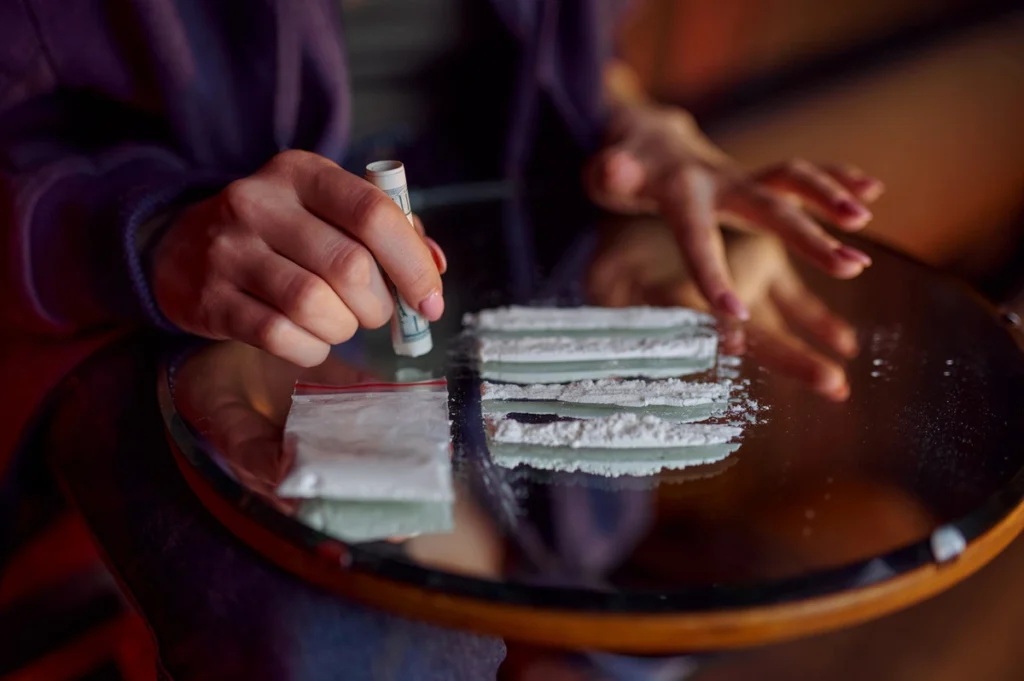
Cocaine is often glamorized in movies and media, but its reality—especially for women—is far from glamorous. While it’s sometimes seen as a “party drug,” cocaine use can quickly lead to dependence, damaging physical health, emotional well-being, and relationships. Understanding the unique ways cocaine affects women can be the first step toward recognizing a problem and finding the right help.

If you or someone you care about is using cocaine, this guide will walk you through what you need to know—and where to turn for support.

Anchored Tides Recovery offers specialized cocaine addiction treatment for women in Huntington Beach and throughout Orange County, California.

Understanding Cocaine: More Than Just a “Party Drug”

Cocaine is a highly addictive stimulant derived from coca plant leaves. It creates a temporary feeling of euphoria, energy, and confidence. However, what many don’t realize is how quickly cocaine use can spiral into addiction—especially for women, who may be more vulnerable to its effects.

Many women initially turn to cocaine in social settings, using it to feel more outgoing or to cope with emotional pain. But what starts casually can quickly lead to cravings, binges, and dependence.

Common Street Names for Cocaine You Should Know

If you suspect someone is using cocaine, understanding street names can help you pick up on hidden conversations or coded language. Cocaine goes by many nicknames, including:

  • Blow
  • Snow
  • White
  • Nose candy
  • Flake
  • Powder
  • Rock (for crack cocaine)

Street names often vary depending on region and community. Recognizing these terms can be an early warning sign that cocaine use may be occurring—even if it’s not openly discussed.

What Does “An Eight Ball of Cocaine” Mean?

You might hear the term “eight ball” in conversations about cocaine. An eight ball refers to 3.5 grams of cocaine, a quantity larger than what’s typically used in one sitting.

Someone purchasing or using an eight ball may be showing signs of heavier, riskier cocaine use. It suggests regular or binge consumption rather than occasional recreational use—and can be an indicator that dependence is developing.

Why Cocaine Affects Women Differently

Research shows that cocaine interacts with a woman’s brain and body differently than it does with men. Some key differences include:

  • Faster addiction development: Women often transition from initial use to dependence more quickly.
  • Heightened sensitivity: Hormonal differences make women more sensitive to cocaine’s effects—and its damage.
  • Greater mental health risks: Women who use cocaine are more prone to depression, anxiety, and trauma-related disorders.
  • Different relapse triggers: Emotional stress, relationships, and self-image issues are often stronger relapse factors for women compared to men.

Recognizing these differences is critical for effective treatment and recovery.

Warning Signs of Cocaine Addiction in Women

Not sure if cocaine use has crossed the line into addiction? Some signs to watch for include:

Emotional and Mental Changes:

  • Anxiety or panic attacks
  • Sudden mood swings
  • Heightened irritability or paranoia
  • Depression after drug effects wear off

Physical Symptoms:

  • Unexplained weight loss
  • Frequent nosebleeds or runny nose (without illness)
  • Insomnia or irregular sleep patterns
  • Rapid heart rate and chest pain

Behavioral Changes:

  • Increased secrecy and isolation
  • Financial troubles without clear explanation
  • Neglecting work, school, or family responsibilities
  • Changes in friend groups or social circles
If these signs sound familiar, it’s important to take them seriously. Cocaine addiction doesn’t go away on its own—and early intervention can save lives.
Why Women Need Specialized Cocaine Addiction Treatment

Why Women Need Specialized Cocaine Addiction Treatment

Women facing cocaine addiction have unique needs. Trauma, family responsibilities, societal expectations, and relationship pressures often influence how women experience addiction—and how they recover.

Specialized treatment for women offers:

  • Trauma-informed care addressing underlying emotional wounds.
  • Safe, supportive environments where women can heal without judgment.
  • Focus on empowerment and rebuilding self-esteem, which cocaine use can deeply erode.
At Anchored Tides Recovery, we understand that recovery isn’t one-size-fits-all. Our programs are built by women, for women—designed to meet you where you are and help you build the life you deserve.

Struggling with cocaine use or feeling stuck in a cycle you can’t break?

At Anchored Tides Recovery, we offer compassionate, women-centered support to help you heal and reclaim your life.

Supporting Women Through Every Step

Anchored Tides Recovery: Supporting Women Through Every Step

If you or someone you love is struggling with cocaine addiction, know this: You are not alone. At Anchored Tides Recovery, we specialize in helping women heal from the physical, emotional, and spiritual toll of addiction.

Located in beautiful Huntington Beach, we proudly help women across Orange County take the first step toward lasting recovery from cocaine addiction.

After completing detox and residential treatment, we also offer a Partial Hospitalization Program (PHP) designed to provide continued structure, support, and healing as you transition into the next stage of recovery.

Our comprehensive treatment programs blend trauma-informed therapy, medical support, life skills building, and community healing. We provide the tools you need to not just survive addiction—but to thrive beyond it.

Ready to reclaim your life?

Contact Anchored Tides Recovery today and take the first step toward freedom.

FAQs - Cocaine Use and Addiction in Women

Common street names for cocaine include blow, snow, white, nose candy, flake, and powder. Knowing these names can help identify potential hidden cocaine use.

An eight ball of cocaine refers to 3.5 grams of the drug. It often indicates heavier or more frequent use, which can signal a higher risk of cocaine dependence.

An eight ball of cocaine refers to 3.5 grams of the drug. It often indicates heavier or more frequent use, which can signal a higher risk of cocaine dependence.

Veteran Mental Health: Understanding, Supporting, and Healing for Women Who Served

Veteran Mental Health

You’ve served your country with strength and resilience—but now you may be facing a new kind of battle. For many women veterans, the transition to civilian life brings a wave of invisible challenges: post-traumatic stress, anxiety, depression, and even addiction. At Anchored Tides Recovery in Huntington Beach, we recognize that mental health for veterans is not one-size-fits-all—especially for women. You deserve support that understands both where you’ve been and where you want to go.

What Mental Health Challenges Do Veterans Face?

Veterans are at increased risk for mental health conditions due to exposure to combat, trauma, military sexual assault, and the stress of reintegration. Common struggles include:

  • Post-Traumatic Stress Disorder (PTSD)
  • Depression and suicidal ideation
  • Anxiety disorders
  • Substance use disorders
  • Co-occurring conditions (dual diagnosis)

These issues can be intensified in female veterans, who often feel overlooked in male-dominated veteran services. Learn more about PTSD symptoms in women and how these symptoms can manifest differently.

The Unique Mental Health Needs of Women Veterans

Women veterans face a unique intersection of military trauma, identity challenges, and mental health stigma. Some contributing factors include:

  • Military sexual trauma (MST)
  • Gender discrimination or isolation during service
  • Difficulty finding female-focused support
  • Balancing motherhood or family with recovery

At Anchored Tides Recovery, we provide trauma-informed care for women to address the deep emotional wounds that can follow military service.

PTSD and Addiction: A Common Link in Veterans

Veterans living with unprocessed trauma may turn to drugs or alcohol as a coping mechanism. This pattern is known as a dual diagnosis—when someone experiences both a mental health condition and substance use disorder.

Learn more about the connection between PTSD and addiction and how our integrated approach to dual diagnosis treatment for women can support long-term healing.

Why Mental Health Support for Veterans Matters

Untreated mental health issues can affect every part of a veteran’s life—relationships, employment, parenting, and overall well-being. Early intervention and specialized treatment can:

  • Improve emotional regulation and daily functioning
  • Reduce self-harm and suicidal ideation
  • Help rebuild a sense of identity and purpose
  • Foster deeper connection with family and community

We understand that healing looks different for everyone, and we’re here to meet you where you are.

Where Can Women Veterans Get Mental Health Treatment?

Anchored Tides Recovery is proud to offer a dedicated Veteran and Military Rehabilitation Program for women. Our team provides:

  • Evidence-based therapy tailored to military trauma
  • Holistic care including yoga, mindfulness, and group support
  • Peer support with other women who understand the military experience
  • Flexible levels of care: PHP, IOP, and outpatient support

We also offer specialized women’s drug rehab for those working through addiction and trauma simultaneously.

How to Know If You or a Loved One Needs Help

If you or someone you love is a veteran struggling with mood swings, sleep issues, substance use, or emotional numbness, it may be time to reach out.

Some voice search-style questions we often hear:

  • “Where can I get mental health treatment as a woman veteran?”
  • “What are the signs of PTSD in female veterans?”
  • “How do I help a veteran with addiction and depression?”

Our blog on PTSD and addiction in women can help you recognize the warning signs.

Ending the Stigma for Women Veterans

Many veterans—especially women—feel pressure to stay silent about mental health struggles. But healing starts by breaking that silence.

Read more on the stigmas of mental health and addiction and how Anchored Tides is working to shift the narrative through education, empathy, and empowerment.

Looking for veteran rehab - Anchored Tides Recovery in Orange County

Start Your Healing Journey Today

You’ve carried the weight of your service long enough. Now, it’s time to carry something lighter: hope, support, and recovery.

Whether you’re looking for trauma-informed therapy, substance use support, or just a safe place to talk—we’re here.

Looking for veteran rehab in Southern California?

Contact us to learn more about our women-centered veteran mental health programs.

Do You Prefer to talk?

📞 Call us at 866-329-6639 to speak with a care coordinator today.

Relationship PTSD Symptoms in Women

relationship ptsd

relationship ptsd


The term post-traumatic stress disorder or PTSD is one you may be familiar with in a general sense without understanding its implications. 

For example, we often think only military veterans can have PTSD. In reality, anyone can experience the symptoms. 

  • Traumatic events can be one-offs like a terrorist attack, sexual assault, or natural disaster. 
  • Trauma can also occur over time, as is the case with childhood abuse.
  • Another scenario where PTSD may occur is following a toxic relationship. Relationship PTSD can make it challenging to form genuine bonds in the future. Even if your past relationships didn’t involve domestic violence or physical assault, relationship PTSD could still occur.

Relationships that are distressing and cause you pain can have long-lasting effects on your mental and emotional well-being. These stressful events and painful memories can contribute to a wide range of mood symptoms. 

When you trust and love someone, and they criticize you or put you down or try to control and manipulate you, it’s not just painful at the moment it’s occurring. When you experience toxic or emotionally abusive relationships, it can influence your feelings of safety, self-worth, and self-confidence.

Once you end a toxic relationship, you may feel like its effects still trap you. You may experience constant reminders of the relationship, and that’s because you can’t just walk away from trauma.


What Is Relationship PTSD?

Generally, posttraumatic stress disorder can lead to lingering feelings of distress and fear after an event. Symptoms include flashbacks and avoidance and other similar symptoms that persist after the traumatic event ends.

  • When you experience an abusive relationship, you may end the abuse, but not the effects.
  • Mental health experts describe this situation as post-traumatic relationship syndrome or PTRS. A relatively new term, PTRS, occurs following the experience of trauma in an intimate relationship.
  • PTRS includes the arousal and intrusive signs of PTSD, but it doesn’t have the avoidance symptoms that are part of a PTSD diagnosis. 
  • PTRS is also described as an anxiety disorder occurring after the experience of abuse, physically, emotionally, or psychologically within the context of an intimate partner relationship.

When someone has PTSD, they might try to block out or avoid memories. The big difference with PTRS is that you continue to revisit and experience memories over and over again. With traumatization, it’s challenging to move forward and build healthy relationships with partners in the future.  

When you have PTRS, you’re fully aware of everything that happened since you can’t avoid memories and reminders of the relationship. You may try to deal with your emotional response since you can’t numb the distress.

You can experience PTRS without having any threat of physical harm. Symptoms can include horror, rage, and fear.


Causes of PTRS

Direct causes of post-traumatic relationship stress can include physical abuse, sexual abuse, including sexual coercion, or emotional abuse. Emotional abuse includes manipulation, gaslighting, and control.

Indicators of a toxic dynamic can cause PTRS, such as silent treatment or ignoring you. When a partner is unfaithful, this can also lead to PTRS. Cheating is known as betrayal trauma, although it’s not on its abuse.


Screen Shot 2021 12 17 at 21.09.54


What Are the Long-Term Effects of Relationship PTSD?

When you don’t receive help, relationship PTSD tends to be progressive, getting worse over time. 

  • You may feel isolated because you feel you cannot share what you went through with other people.
  • You may have an ongoing fear of more trauma, making it difficult to relax or practice self-care. 
  • When you’re constantly feeling stressed and aren’t engaging in self-care, you may experience burnout and physical symptoms. 
  • After you experience PTSD from a romantic relationship, you might feel unsafe in the world in general, and you can’t feel safe with anyone around you. 
  • Some people also blame themselves for what they went through, leading to feelings of unworthiness and guilt.
  • You could avoid relationships altogether, including ones that are healthy and nurturing.


PTSD Symptoms in Women

PTSD symptoms in women are similar to PTRS symptoms, with a few exceptions. In general, PTSD symptoms in women can include:

  • Avoidance of reminders of the trauma. Avoidance in PTSD tends to be more common in women than men. Avoidance includes emotional avoidance and behavioral avoidance. Behavioral avoidance means avoiding the people, places, things, or other environmental triggers that remind you of trauma. In women, avoidance is one of the most common PTSD symptoms.
  • Hyperarousal is a term that refers to having a heightened state of anxiety. Hyperarousal symptoms include excessive startle reflex, problems with concentration, irritability, panic attacks, and hypervigilance.
  • Re-experiencing the trauma is a common symptom in trauma survivors. You might have intrusive, unwanted thoughts and memories related to the trauma, nightmares, or flashbacks. Women tend to experience this more than men.
  • Emotional numbness is the symptom of PTSD that tends to be much less common in PTRS. Emotional numbness means you lack emotion, lose interest, and feel detached from other people. You may also experience social isolation as a result.


Why Do Women Experience Symptoms of PTSD Differently Than Men?

One theory why women might experience PTSD differently than men is that women are more likely to internalize things, meaning more internalizing disorders like depression and anxiety.

On the other hand, men are more likely to develop externalizing disorders, like substance abuse or have angry outbursts. 

Many women may wait longer to get treatment or not get it at all.


Relationship PTSD Symptoms

While there is some overlap, some of the most common signs of PTSD stemming from a relationship include:

  • Constantly feeling on-edge: We talked about this above, but in the particular context of a relationship, you may constantly worry about a future romantic partner ridiculing you or starting a fight with you. You may be overly aware of triggers that could lead to situations similar to your past trauma.
  • Overreaction: If you experienced past trauma in a relationship or always felt like you were walking on eggshells, that could make you hypercritical of your current partner. If you notice yourself overreacting to little or unimportant things, you might reflect on why that’s happening. These can also be known as reactivity symptoms. 
  • Problems with communication: Following a relationship leading to trauma, you might be less willing to talk to a future partner about what you’re feeling. You may have a hard time letting your guard down or making decisions together.
  • Turning off your emotions: You might not let yourself feel positive emotions after you’ve gone through a relationship filled with negative ones.

So what can you do if you notice the signs of PTSD or, more specifically, relationship PTSD in yourself?

The best option is to seek help as soon as you can. PTSD, when left untreated, can not just negatively affect current and future relationships. Untreated PTSD or PTRS can lead to complications like substance use disorders and other mental disorders. 

Contact the team at Anchored Tides Recovery by calling 866-600-7709 to learn more about treatment options, such as cognitive processing therapy and exposure therapy. 

MDMA PTSD: Recovering from Trauma

MDMA PTSD

MDMA PTSD


So many women have dealt with trauma. Trauma is often the underlying contributor to substance abuse problems. In an interesting turn of events, there’s research currently looking at the possibility of MDMA PTSD treatments. Researchers believe MDMA could be a potential treatment for past trauma, yet it’s also a mind-altering drug, raising some questions. With that in mind, below, we talk about what MDMA is and how it could help with trauma and severe PTSD in MDMA-assisted psychotherapy or MDMA-assisted therapy. 


What is MDMA?

MDMA is a synthetic recreational drug with hallucinogenic and stimulant effects. Also known as Molly or ecstasy, MDMA comes as a capsule or tablet. Along with being energizing, this substance can create distortions in perception and time. Some people who use it recreationally find it enhances their sensory experiences, which they find enjoyable. The synthetic drug is also an entactogen. Entactogens are drugs that increase empathy and self-awareness.

When someone uses street drugs like recreational Molly or ecstasy, along with being illegal, it’s also dangerous. Molly contains contaminants in many cases when it’s purchased on the streets. When the Drug Enforcement Administration (DEA) seizes Molly from the streets, they often find it has other drugs and no MDMA at all.

As one example, researchers in Washington State and Florida analyzed substances being sold as Molly a few years ago. Those substances were primarily methylone. Methylone is a synthetic stimulant in bath salts. People who buy illegal Molly often have no idea what they’re using.


The Effects of MDMA

If you take MDMA, you might begin to feel effects within 45 minutes of the initial dose. Then, there’s a peak on the effects anywhere from 15 to 30 minutes after you initially feel the drug. These effects, on average last for three hours.

In the short-term, effects include:

  • An increased sense of well-being
  • More extroversion
  • Empathy and emotional warmth toward others
  • Willingness to talk about emotionally charged memories
  • Enhanced sensory perception

These effects can sound positive and compelling, but adverse events can occur as well. Fatal overdoses are rare with this drug but possible. Acute adverse effects of using ecstasy or Molly include high blood pressure, panic attacks, and feeling faint.

One of the most significant but rare adverse effects of this substance is hyperthermia, which is a rise in body temperature. Even moderate amounts of the substance can impact your body’s ability to regulate temperature, which can lead to harmful side effects, especially in warm or hot places.


Screen Shot 2021 10 19 at 18.38.13


The Effects of Trauma

So many women are affected by trauma in their lives. Trauma can occur from any number of events, including rape or sexual assault, physical or verbal abuse, or exposure to something extremely frightening.

According to the American Psychological Association (APA), trauma is an emotional response to a highly negative event. Experiencing short-term trauma is a normal reaction to something terrible. Longer-term trauma can impact your daily life and functionality, at which point it might mean a diagnosis of post-traumatic stress disorder. Signs of trauma include anxiety and panic disorders, depression, and even suicidal thoughts and behaviors.

Following the event, trauma can manifest days, months, or years later.


Treating PTSD

There are various options available to treat PTSD conventionally. Examples include:

  • Therapy: Like cognitive behavioral therapy, talk therapy is beneficial for people with a history of a traumatic event. When you participate in a psychotherapy session, you can learn how to cope with feelings in your life, boost your self-esteem and improve your symptoms. Psychotherapy for people diagnosed with PTSD often helps improve daily functionality. 
  • Eye movement desensitization and reprocessing: EMDR allows you to focus on something your therapist is doing, like flashing a light. Then, you are encouraged to replace your trauma memories with positive thoughts.
  • Medications: When you have PTSD or traumatic memories, your brain often perceives and processes threats differently. Your brain chemicals may be imbalanced, so you might constantly feel on-edge or jumpy. Medications can help you with these symptoms and regain a normalized perspective.

The nature of MDMA being a “Club Drug” means that many women, and people, associate its use with traumatic experiences. Panic attacks, sexual assault, overdose, being drugged, or triggering pre-existing conditions are just some of the MDMA-related scenarios that have caused PTSD, but there is help available.


If you, or someone you love, is experiencing club drug-related trauma, or MDMA PTSD, let the team of brilliant women at Anchored Tides Recovery help. Calling 866-600-7709 will put you in touch with a care coordinator who can go over some options and provide you with some helpful information. Help is just a phone call away!