Dual Diagnosis Treatment for Women in Huntington Beach, CA
Dual diagnosis treatment is integrated clinical care that addresses a substance use disorder (SUD) and at least one co-occurring mental health condition — such as depression, anxiety, PTSD, or bipolar disorder — at the same time. At Anchored Tides Recovery’s women’s addiction treatment center in Huntington Beach, California, dual diagnosis programs are available at the PHP (Partial Hospitalization Program), IOP (Intensive Outpatient Program), and Outpatient levels. Treating both conditions simultaneously is the clinical standard because leaving either condition unaddressed significantly increases the risk of relapse.
- Dual diagnosis means treating addiction and a mental health disorder at the same time.
- All Anchored Tides programs — PHP, IOP, and Outpatient — are dual-diagnosis capable.
- Women-only, trauma-informed care in Huntington Beach, Orange County, CA.
- Most PPO and HMO insurance accepted. Free verification available.
- Call (866) 753-5885 for a confidential assessment.
- Co-occurring disorders affect more than 9 million adults in the U.S. annually (SAMHSA, 2023).
- Women are more likely than men to develop mood and anxiety disorders alongside addiction.
- Integrated dual diagnosis care produces better long-term outcomes than treating one condition at a time.
- Anchored Tides serves adult women 18+ in Orange County and surrounding Southern California.
- Evidence-based modalities include CBT, DBT, EMDR, trauma-focused therapy, and medication management.
- Recovery is possible — contact us to begin a confidential needs assessment.
We Are In-Network With The Following:





Below are additional providers Anchored Tides Recovery may be able to work with or accept for treatment for yourself or a loved one. Don’t hesitate to contact us to verify your coverage and explore your options. Call us at 866-329-6639 or submit the insurance verification form.




Co-occurring Disorders
What is Dual Diagnosis?
Dual diagnosis — also called co-occurring disorders or comorbid disorders — describes the simultaneous presence of a substance use disorder (SUD) and one or more mental health conditions. The terms are clinically interchangeable.
The relationship between addiction and mental health is bidirectional:
- A mental health disorder such as depression can drive a person to self-medicate with alcohol or drugs.
- Substance use can trigger or worsen symptoms of anxiety, psychosis, mood instability, or PTSD.
- Each condition amplifies the other, creating a cycle that is difficult to break without treating both.
This is why SAMHSA (the Substance Abuse and Mental Health Services Administration) and ASAM (the American Society of Addiction Medicine) both recommend integrated, concurrent treatment as the evidence-based standard of care.
Take the First Step: Call us today at 866-524-6014 and discover how we can help break the cycle and rebuild your life.
Common Co-Occurring Conditions
Mental Health Condition | How It Connects to Substance Use | Common Treatment Approaches |
Major Depression | Alcohol or opioids used to numb sadness; withdrawal deepens depression | CBT, antidepressant management, group therapy |
Generalized Anxiety Disorder | Benzodiazepines or alcohol used to reduce anxiety; rebound anxiety worsens with continued use | DBT, mindfulness, medication stabilization |
PTSD | Substances used to suppress traumatic memories | EMDR, trauma-focused CBT, somatic therapy |
Bipolar Disorder | Alcohol during depressive phases; stimulants during manic phases | Mood stabilizers, psychoeducation, relapse mapping |
Borderline Personality Disorder (BPD) | Impulsive substance use during emotional dysregulation | DBT (gold standard), skills groups |
Eating Disorders (Anorexia/Bulimia/BED) | Stimulants to suppress appetite; alcohol to manage food anxiety | Dual track, nutritional counseling, body image work |
Why Women Need Gender-Specific Dual Diagnosis Treatment
Addiction and mental health disorders affect women differently than men across biological, hormonal, and social dimensions. Gender-specific treatment is designed to account for these differences rather than apply a one-size-fits-all model:
Comprehensive Assessments
- Telescoping: Women develop physical dependence on alcohol and opioids faster than men.
- Metabolism: Women produce less alcohol dehydrogenase, resulting in higher blood alcohol concentrations from the same intake as men.
- Comorbidity rates: Women are twice as likely as men to experience major depression and anxiety disorders alongside addiction.
- Trauma exposure: Intimate partner violence and sexual trauma are primary drivers of both PTSD and substance use in women.
- Unique barriers: Caregiving responsibilities, stigma, and fear of losing custody of children reduce help-seeking in women.
A women-only environment removes dynamics that can inhibit trauma disclosure in co-ed settings, supporting deeper therapeutic work. All clinical staff at Anchored Tides are trained in trauma-informed care for women.
Levels of Care Available for Dual Diagnosis at Anchored Tides
Dual diagnosis treatment is available across three levels of care. If you are unsure which is right for you, PHP vs. IOP: Which Level of Care Is Right for You? offers a detailed comparison. The appropriate level is always determined by a clinician at intake.
Level of Care | Hours Per Week | Best Suited For | Dual Diagnosis Features |
30–40 hrs | High symptom severity, recent detox, psychiatric stabilization needed | Daily psychiatric check-ins, medication management, intensive individual and group therapy | |
15–20 hrs | Moderate symptoms, step-down from PHP, or limited daily availability | Dual-diagnosis IOP groups, EMDR, DBT skills training, medication coordination | |
~9 hrs | Stable and stepping down from IOP, ongoing maintenance, relapse prevention focus | Individual therapy, psychiatric follow-up, case management, alumni support |
All levels include a comprehensive psychiatric evaluation at intake to identify co-occurring conditions and guide individualized treatment planning.
Reach Out Today: Contact us to determine which care is right for you or your loved one.
Evidence-Based Therapies in Our Dual Diagnosis Program
Cognitive Behavioral Therapy (CBT)
Cognitive Behavioral Therapy (CBT) identifies distorted thinking patterns that drive both substance use and mental health symptoms. Clients learn to recognize triggers, challenge negative automatic thoughts, and build coping strategies that apply to daily life. CBT has robust clinical evidence across depression, anxiety, PTSD, and substance use disorders.
Dialectical Behavior Therapy (DBT)
Dialectical Behavior Therapy (DBT) is the gold-standard treatment for emotional dysregulation and borderline personality disorder (BPD), and is highly effective for women with trauma histories and impulsive substance use. Core skills include mindfulness, distress tolerance, emotional regulation, and interpersonal effectiveness. For a comparison of both approaches, see CBT vs. DBT: What’s the Difference.
Eye Movement Desensitization and Reprocessing (EMDR)
EMDR processes and reduces the emotional charge of traumatic memories that frequently underlie both PTSD and substance use in women. It is recognized by the World Health Organization and the VA/DoD as an evidence-based trauma treatment.
Medication-Assisted Treatment (MAT) and Psychiatric Medication Management
Medication-Assisted Treatment (MAT) uses FDA-approved medications — including buprenorphine/naloxone (Suboxone), naltrexone, and acamprosate — to reduce cravings, prevent relapse, and stabilize withdrawal symptoms. Psychiatric medications for depression, anxiety, or mood disorders may be prescribed concurrently when clinically indicated. Dr. Sandra Sanchez, MD, our psychiatric medical director, conducts all evaluations and oversees medication management. Medication is one component of a comprehensive treatment plan, not a standalone solution.
Holistic and Experiential Therapies
Alongside evidence-based clinical modalities, Anchored Tides incorporates yoga, mindfulness-based stress reduction (MBSR), art therapy, and expressive writing. These practices support nervous system regulation, reconnect clients with their bodies, and build the daily routines that protect against relapse.
Relapse Prevention
What to Expect: The Dual Diagnosis Treatment Process
- Confidential Assessment (Day 1): A clinical intake coordinator gathers information about your substance use history, mental health history, trauma background, current medications, and safety. This call is free and confidential.
- Comprehensive Psychiatric Evaluation (Week 1): Dr. Sanchez or a licensed clinician conducts a full psychiatric and addiction assessment to formally identify co-occurring diagnoses and assess safety.
- Individualized Treatment Planning: A multidisciplinary team — your therapist, case manager, and psychiatrist — collaborates to build a personalized plan addressing both your addiction and mental health needs.
- Active Treatment Phase (Weeks 2–12+): You attend scheduled individual therapy, group therapy, psychiatric appointments, and skills groups based on your level of care. Plans are reviewed and updated each week.
Step-Down and Aftercare Planning: As you stabilize, your team supports your transition to the next level of care, coordinates sober living if needed, and connects you to long-term community resources.
Why Choose Anchored Tides Recovery?
Anchored Tides Recovery is more than a treatment center; it’s a supportive community dedicated to helping women heal.
- Women-Focused Care: Tailored programs in a safe, serene environment.
- Experienced Professionals: Our team of experts specializes in dual diagnosis therapy.
- Holistic and Evidence-Based Methods: A unique blend of clinical care and alternative therapies.
Choose Anchored Tides Recovery and experience the best dual diagnosis treatment in California in a place designed to help you thrive.
Schedule a Consultation Today: Take the first step and start your healing journey with us.
Insurance Coverage and Cost for Dual Diagnosis Treatment
The Mental Health Parity and Addiction Equity Act (MHPAEA) requires most insurance plans to cover mental health and substance use treatment at the same level as medical and surgical benefits. Anchored Tides Recovery is in-network with most major PPO and HMO plans. Use our admissions and insurance verification tool to confirm your benefits before admission.
Level of Care | Typical Out-of-Pocket (With Insurance) | Notes |
PHP | $0–$100 per day | Most PPO plans cover 80–100% after deductible; varies by plan |
IOP | $0–$50 per session | 3–5 sessions per week; typically covered under behavioral health benefits |
Outpatient | $20–$75 per session | Copay structure depends on plan tier |
Self-Pay | Contact us for options | Financial counselors available; sliding scale may apply |
Call (866) 753-5885 for a free benefits check. We can typically confirm coverage within one business day.
Frequently Asked Questions (FAQs)
The two terms mean the same thing. Both describe the presence of a substance use disorder alongside at least one mental health condition in the same person. “Dual diagnosis” is the older clinical term; “co-occurring disorders” is now preferred by SAMHSA. At Anchored Tides, both terms are used interchangeably.
A formal dual diagnosis requires evaluation by a licensed clinician or psychiatrist. Possible signs include persistent depression or anxiety that continues after stopping substance use, a history of trauma, using substances specifically to manage emotional or psychological symptoms, or a prior mental health diagnosis. A comprehensive intake assessment at Anchored Tides will screen for co-occurring conditions.
Treatment timelines vary by individual. Integrated dual diagnosis treatment typically requires longer engagement than addiction-only programs because both conditions need stabilization. Research consistently shows that treating both conditions together produces better long-term outcomes and lower relapse rates, even if the initial treatment period is longer.
Many women complete dual diagnosis treatment at the IOP or Outpatient level while living at home or in sober housing. PHP requires full-day attendance Monday through Friday but no overnight stay. Sober living for women in Huntington Beach is also available for clients who need additional structure between levels of care.
Medication is evaluated on an individual basis. Some women benefit from MAT for addiction, psychiatric medication for mood or anxiety disorders, or both. Dr. Sanchez and our clinical team discuss all options with clients before prescribing. Medication is never mandatory, and all treatment plans are built collaboratively.
In most cases, yes. California insurance plans regulated under the MHPAEA are required to cover behavioral health treatment at the same level as medical and surgical coverage. Specific copays, deductibles, and prior authorization requirements vary by plan. Visit our admissions and insurance verification page or call (866) 753-5885 to confirm your benefits before admission.
Anchored Tides is women-only, which creates a therapeutic space designed to support healing from the trauma, relationship patterns, and stigma that often accompany dual diagnosis in women. Read more about what makes women’s addiction treatment unique and how gender-responsive care improves outcomes.
Family therapy and psychoeducation sessions are available. Involving family members can improve treatment outcomes and support long-term recovery. Sessions are scheduled with client consent and led by licensed therapists. Our family support and resources page has additional guidance for loved ones.
Aftercare planning begins on the first day of treatment. As clients step down through levels of care, the clinical team connects them to outpatient therapy, psychiatric follow-up, peer support groups, sober living, and alumni programming. See our guide to relapse prevention for women for skills and strategies to support long-term recovery.
Anchored Tides has specialized experience treating co-occurring eating disorders and addiction — including anorexia nervosa, bulimia nervosa, and binge eating disorder (BED). This combination requires a coordinated approach addressing nutritional health, body image, and the emotional drivers of both conditions simultaneously. Our dedicated eating disorder treatment program provides this specialized care. Ask your intake coordinator about treatment tracks.
About Our Clinical Team
Medical Director — Dr. Sandra Sanchez, MD
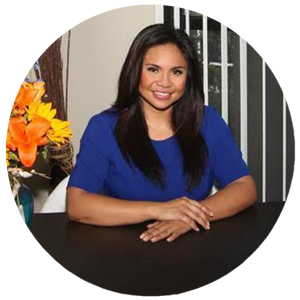
Dr. Sandra Sanchez, MD, is Anchored Tides’ psychiatric medical director and a board-certified psychiatrist specializing in co-occurring PTSD, mood disorders, and substance use disorders in women. Her clinical background includes work at the Long Beach VA, addiction rehabilitation centers, and San Diego Detention facilities. Dr. Sanchez opened the first Women’s Mental Health Medication Management Clinic at the Long Beach VA and completed training at the UCI Medical Center Maternal and Fetal clinic. She specializes in comorbid psychiatric diagnoses and treatment-resistant psychiatric disorders, and oversees all psychiatric evaluations and medication management at Anchored Tides.
Program Standards and Accreditation
- Women-only, trauma-informed treatment program
- Located in Huntington Beach, Orange County, California
- Programs designed for adult women 18 and older
- Multidisciplinary team: psychiatrists, licensed therapists (LMFT, LCSW, MFT), case managers, and certified addiction counselors
- Evidence-based treatment protocols aligned with SAMHSA and ASAM clinical guidelines
- Certified by the California Department of Health Care Services
Founded by Women, for Women
Anchored Tides Recovery was co-founded in 2016 by Rebecca Edge — a woman in long-term recovery since 2010 — with the mission to create a therapy-focused environment where women can heal from addiction, trauma, and co-occurring disorders. The program’s leadership brings both clinical expertise and lived understanding of these conditions.
Medical Disclaimer
- This page provides general educational information only. It is not a substitute for advice from a licensed clinician, financial advisor, or insurance professional.
- Speak with a qualified professional for guidance specific to your situation.
- Content may also be outdated due to regulatory or other changes. Verify details by contacting our center at (866) 753-5885.
A FEW WORDS FROM OUR CLIENTS
STORIES OF RECOVERY

Get Started Today With Addiction Recovery
Take the First Step Toward Healing Today
Contact Anchored Tides Recovery and start your path to healing today. Whether you’re looking for a program for yourself or a loved one, our dual diagnosis treatment center is here to help.
Phone: 866-329-6639
• Email: admissions@anchoredtidesrecovery.com
• Form: Verify Insurance
Recovery is possible—call now and reclaim your life.
HUNTINGTON BEACH WOMEN’S REHABILITATION AND TREATMENT CENTER
HELPING WOMEN RECOVER DRUG & ALCOHOL ADDICTION, MENTAL HEALTH, TRAUMA, AND DISORDERED EATING













Fill out the form below to begin the admissions process at our women’s treatment center in Orange County, California. One of our caring admissions specialists will contact you shortly.