Skip to content

Trauma-Informed Care for Women

TREATING THE PAST FOR A BETTER FUTURE

Talk to Our Admissions Team
Name(Required)

What Trauma-Informed Care Means for Women in Recovery

Trauma-informed care for women is an approach to treatment that recognizes how past trauma can shape mental health, substance use, physical symptoms, relationships, and a woman’s sense of safety. Instead of asking “What is wrong with you?”, trauma-informed care asks “What happened to you, and how is it still affecting you today?”

At Anchored Tides Recovery, trauma-informed care means creating treatment that feels safer, more respectful, and more responsive to the realities many women carry into recovery. That includes understanding how trauma can influence trust, emotional regulation, relapse risk, self-worth, and the ability to stay engaged in treatment over time.

Trauma can take many forms, including sexual abuse, emotional abuse, physical abuse, neglect, abandonment, intimate partner violence, family dysfunction, grief, and other overwhelming experiences. For many women, trauma is not a side issue in treatment. It is one of the main reasons addiction, anxiety, depression, shame, and unhealthy coping patterns became so hard to manage in the first place.

That is why effective women’s treatment cannot focus only on symptoms or substance use in isolation. It also has to account for the fear, survival responses, relationship patterns, and nervous-system dysregulation trauma can leave behind.

We Are In-Network With The Following:

Below are additional providers Anchored Tides Recovery may be able to work with or accept for treatment for yourself or a loved one. Don’t hesitate to contact us to verify your coverage and explore your options. Call us at 866-329-6639 or submit the insurance verification form.
In their own words

Anchored Tides Recovery holds a very special place in my heart. I have seen their work first hand with their clients and they do amazing things. To find a Women's Facility can be difficult but to find one that actually cares for their clients, goes above and beyond to help them and genuinely has the client's best interest in mind is sometimes impossible. I would recommend any female that is struggling with addiction in someway shape or form reach out to Anchored Tides. They do amazing work with trauma, mental health and substance use disorders.

Women’s Substance Abuse Treatment

Why Trauma-Informed Care Matters in Women’s Treatment

Trauma-informed care matters because many women entering treatment do not just need sobriety support. They also need a treatment environment that reduces shame, builds trust gradually, and avoids approaches that feel harsh, dismissive, or re-traumatizing.

When trauma is not addressed, women may struggle with emotional overwhelm, dissociation, avoidance, relapse, unhealthy relationships, people-pleasing, self-blame, or difficulty staying engaged in care. A trauma-informed approach helps treatment feel safer and more effective by meeting women where they are instead of forcing them into a one-size-fits-all model.

How Anchored Tides Recovery Can Help - group of happy women - mental wellness

You are stronger than your struggles, and every step forward is a victory. Recovery is possible, and you deserve a life filled with hope, healing, and happiness.

Substance Abuse & Women’s Health

10 Principles of Trauma-informed Care

Key principles of trauma-informed care for women include:

Women with trauma histories often arrive in treatment feeling guarded, hyperaware, or emotionally exhausted. A trauma-informed program works to create physical, emotional, and relational safety so women can begin healing without feeling pressured or exposed too quickly.

Understanding the impact of gender: Women may experience trauma in ways shaped by gender, including sexual violence, coercive relationships, exploitation, caregiving pressures, and gender-based discrimination. Treatment should recognize those realities instead of pretending trauma happens in a vacuum.

Addressing the physical effects of trauma: Trauma does not only live in memory. It can also show up in sleep problems, chronic stress, fatigue, pain, digestive issues, panic responses, and difficulty feeling safe in the body. Good care accounts for both emotional and physical impact.

Trauma often strips away a sense of control. Trauma-informed care helps women rebuild agency by offering clear communication, informed choices, collaborative treatment planning, and respect for pacing and boundaries.

Trauma can affect mental health, relationships, self-image, physical well-being, spirituality, and daily functioning. A stronger recovery plan looks at the full picture rather than focusing on one symptom at a time.

Some women carry trauma tied to parenting fears, custody concerns, guilt, family instability, or the pressure of caring for others while neglecting themselves. Treatment should make room for those concerns in a practical and compassionate way.

Trauma is experienced through personal, family, social, and cultural context. Women need treatment that respects identity, background, values, and lived experience rather than assuming every story should be processed the same way.

Trauma recovery is rarely linear. Many women need continued support, repetition, and accountability over time as they build stability, process setbacks, and practice healthier ways of coping.

Many women with trauma histories are used to ignoring their own needs, over-functioning, or surviving in constant stress. Trauma-informed care helps women build self-care as a regulated, sustainable practice rather than a vague ideal.

Trauma, mental health concerns, and substance use often overlap. Treating addiction without addressing trauma, anxiety, depression, or PTSD can leave major relapse drivers untouched.

How Trauma-Informed Care Supports Recovery

Trauma-informed care helps women recover by reducing shame, increasing trust, and making treatment feel more emotionally sustainable. When women feel safer, more respected, and more understood, they are often better able to engage in therapy, build insight, regulate emotions, and stay connected to recovery long enough for real change to take hold.

For women with trauma histories, treatment is often more effective when it supports both present-day recovery and the deeper patterns driving distress beneath the surface. That may include trauma-related triggers, nervous-system activation, relationship dynamics, grief, avoidance, self-blame, or co-occurring mental health symptoms. 

what trauma-informed care can help address

Trauma-informed care may help women who are struggling with:

  • substance use linked to past trauma

  • anxiety, panic, or chronic hypervigilance

  • depression, numbness, or emotional shutdown

  • PTSD or trauma-related symptoms

  • shame, self-blame, or low self-worth

  • relationship instability or repeated unhealthy patterns

  • relapse triggered by stress, fear, or unresolved emotional pain

When these issues are treated together instead of separately, recovery can become more stable and more realistic. If you or a loved one is struggling please call our team at Anchored Tides Recovery who can assist in helping you today 866-661-0974.

DON'T WAIT ANY LONGER...
BEGIN YOUR RECOVERY TODAY.

What Trauma-Informed Care Looks Like at Anchored Tides Recovery

At Anchored Tides Recovery, trauma-informed care means more than mentioning trauma in passing. It means building treatment around safety, trust, collaboration, and an understanding that many behaviours in addiction and mental health recovery began as survival responses.


Depending on a woman’s needs and level of care, trauma-informed support may include individual therapy, group therapy, dual-diagnosis support, relapse-prevention work, emotional-regulation tools, and approaches that help women build stability without feeling re-traumatized in the process. The goal is not to force vulnerability before a woman is ready. The goal is to help her feel safe enough to heal honestly and sustainably.

Who Can Benefit From Trauma-Informed Care?

Trauma-informed care can benefit women at many stages of recovery, especially women who feel stuck in patterns that seem bigger than willpower alone. It may be especially helpful for women who have experienced abuse, loss, unstable relationships, childhood trauma, betrayal, chronic stress, or repeated relapse tied to emotional overwhelm.

It can also be an important fit for women who do not identify their experiences as trauma right away but still notice symptoms like fear, numbness, panic, control issues, dissociation, people-pleasing, shame, or difficulty trusting others.

Why Women Need a Trauma-Informed Approach

Women’s trauma often intersects with relationships, caregiving, body image, family roles, stigma, and social expectations in ways that can make recovery more layered and more personal. A trauma-informed women’s program is not about treating women as fragile. It is about treating them accurately.


When treatment recognizes how trauma can shape behaviour, emotional reactions, and relapse risk, women are often better positioned to build trust, regain agency, and move through recovery with less shame and more clarity.

YOUR JOURNEY BEGINS HERE.
Don't Wait Any Longer.

Your Questions answered

Frequently Asked Questions (FAQs)

Trauma-informed care is an approach to treatment that recognizes how trauma can affect emotions, behaviour, physical health, relationships, and recovery. It focuses on safety, trust, choice, collaboration, and avoiding practices that may feel re-traumatizing.

Trauma-informed care is especially important for women because trauma often overlaps with substance use, anxiety, depression, PTSD, shame, and relationship struggles. When treatment understands those links, women may feel safer, more engaged, and better supported in recovery.

Yes. Many women use substances to cope with trauma-related distress, emotional pain, fear, or nervous-system overwhelm. Trauma-informed care helps address those underlying patterns so recovery is not focused only on stopping behaviour, but also on understanding what has been driving it.

Trauma can include sexual abuse, physical abuse, emotional abuse, neglect, abandonment, domestic violence, grief, childhood adversity, betrayal, and other overwhelming experiences. Women do not need to use one specific label for their experience to benefit from trauma-informed care.

Yes. Trauma often affects both mental health and substance use at the same time. Treating those issues together can help women build a more stable recovery and reduce the risk of relapse driven by unresolved emotional pain.

Trauma-informed care can benefit women who feel unsafe, emotionally overwhelmed, shut down, ashamed, stuck in unhealthy patterns, or affected by past experiences they may not have fully processed. It is often helpful for women dealing with addiction, anxiety, depression, PTSD, or co-occurring challenges.

Not exactly. Trauma-informed care is a broader treatment approach that shapes how care is delivered. Trauma therapy is more specific and may involve targeted therapeutic work focused directly on processing trauma. A program can be trauma-informed while also offering trauma-focused therapy when clinically appropriate.

If past experiences still affect your mental health, relationships, sense of safety, coping patterns, or recovery, trauma-informed treatment may be worth exploring. A good next step is speaking with an admissions or clinical team to determine what level of support fits your needs.

MAKE THE CHANGE TODAY
How to Get Started

A FEW WORDS FROM OUR CLIENTS

STORIES OF RECOVERY

HUNTINGTON BEACH WOMEN’S REHABILITATION AND TREATMENT CENTER

HELPING WOMEN RECOVER DRUG & ALCOHOL ADDICTION, MENTAL HEALTH, TRAUMA, AND DISORDERED EATING

cropped-logo_anchor.png
female treatment center

Orange County Boutique Treatment Center
for Women

Women for Sobriety

Meet the Team at Anchored Tides Recovery

Becca Edge, CEO/Co-Founder

CEO / Co-Founder

Becca Edge

AmyDutton

Co-Founder

Amy Dutton

B.A.
Anchored Tides Recovery - staff - Zoe

Clinical Director

Zoe Tambling

LMFT
Anchored Tides Recovery - service dogs -Stevie, Murph & Doug

Registered Emotional Support Animals

Stevie, Murph & Doug

KEEPING YOU INFORMED

Verify Insurance

This field is for validation purposes and should be left unchanged.
Name(Required)
women's addiction outpatient programs

Outpatient Program (OP)

Anchored Tides Recovery’s Outpatient Program (OP) offers a flexible and supportive treatment option for women seeking ongoing recovery from addiction and mental health challenges. Our OP provides personalized therapy sessions, group counseling, and holistic support tailored to each individual’s needs. This program allows women to continue their daily activities and responsibilities while receiving the care and support necessary for sustained recovery. With a compassionate approach, our Outpatient Program fosters healing, resilience, and personal growth, empowering women to achieve and maintain long-term wellness in a nurturing and understanding environment.

womens-drug-rehab

Intensive Outpatient Program (IOP)

Anchored Tides Recovery’s Intensive Outpatient Program (IOP) provides a flexible and supportive treatment option for women seeking recovery from addiction and mental health issues. Our IOP combines evidence-based therapies, group counseling, and individualized care plans tailored to each woman’s unique needs. With a focus on empowering women to rebuild their lives, our program offers the structure needed for recovery while allowing participants to maintain their daily responsibilities. In a compassionate and understanding environment, women can develop the skills and resilience necessary for long-term recovery and personal growth.

Anchored Tides Recovery - Women's Partial Hospitalization Program (PHP) - woman at beach

Partial Hospitalization Program (PHP)

Anchored Tides Recovery’s Partial Hospitalization Program (PHP) is designed for women who need intensive support while maintaining some level of independence. Our PHP offers a structured and comprehensive treatment plan that includes individual therapy, group counseling, life skills training, and holistic therapies. With a focus on addressing the root causes of addiction and mental health issues, our program provides a nurturing and empowering environment. Women in our PHP receive the care and tools necessary to achieve lasting recovery, all within a supportive community that fosters healing and growth.

Anchored Tides Recovery - Eating Disorder Program Treatment

Eating Disorder Treatment

At Anchored Tides Recovery, our Eating Disorder Treatment program offers a holistic, compassionate approach tailored specifically for women. Our multidisciplinary team provides personalized care that includes medical monitoring, nutritional counseling, therapy, and support groups. We focus on healing the underlying emotional and psychological factors contributing to eating disorders, empowering women to achieve a healthy relationship with food and their bodies. Our supportive environment encourages lasting recovery and overall well-being, helping women reclaim their lives with confidence and resilience.
Anchored Tides Recovery - Huntington Beach, CA - Medical Director - Dr. Sanchez

Dr. Sanchez

Medical Director

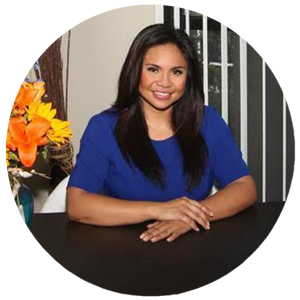
Venice Sanchez, MD, is a board-certified psychiatrist and addiction medicine specialist. At her practice in Newport Beach, California, Dr. Sanchez takes a holistic approach to care that emphasizes not only medication management and traditional medicine, but also the incorporation of therapy, spirituality, healthy eating and exercise, and social factors. She is a diplomate of the American Board of Psychiatry and Neurology and Addiction Medicine.

Dr. Sanchez received her bachelor’s degree from the University of California, Los Angeles, and her medical degree from Michigan State University College of Human Medicine. She continued her training at the University of California, Irvine Psychiatry Residency Program where she was recognized by faculty with the Outstanding Resident of the Year Award as an acknowledgment for her dedicated efforts in education, the clinics, and her work with her patients.

Dr. Sanchez has had extensive training at multiple facilities under the supervision of experts in her field, which allowed her to gain comprehensive knowledge and experience in treating a wide array of psychiatric disorders. Her work at the Long Beach VA, various addiction rehabilitation centers, and San Diego Detention facilities allowed her to gain expertise in Post Traumatic Stress Disorder, substance abuse, and mood and thought disorders underlying substance use.

Dr. Sanchez realizes the significant need in women’s health, especially in treating pregnant and postpartum patients who are struggling with mental illness. She not only trained with a specialist at the Maternal and Fetal clinic at UCI Medical Center, but she was also at the forefront in opening up the first Women’s Mental Health Medication Management Clinic at Long Beach VA Veteran’s Hospital. Her passion for her field allowed her to diligently pursue the much-needed training and experience in treating patients who have a comorbid psychiatric diagnosis. She also specializes in treatment-resistant psychiatric disorders.

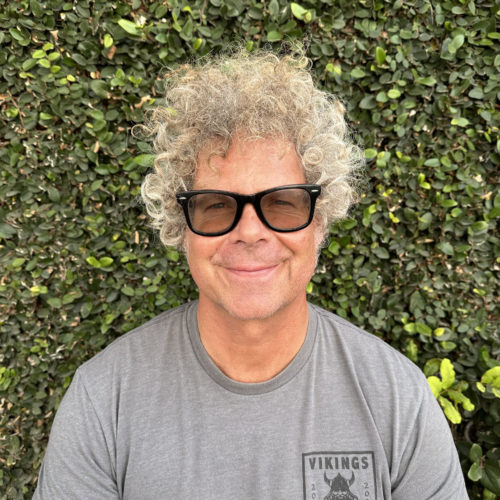
Andrew Mouck

Andrew Mouck

Fitness Education - RADT-1, Certified Personal Trainer

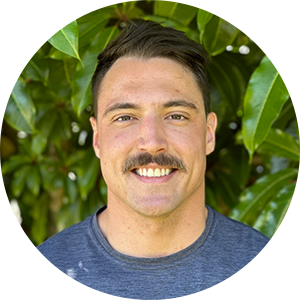
My name is Andy Mouck, and I am a dedicated group facilitator at Anchored Tides Recovery. Having personally overcome addiction and completed treatment in 2017, I am deeply passionate about helping individuals on their recovery journey. I bring a
compassionate and empathetic approach to my role, creating a safe space for participants to heal and grow. Alongside my work as a group facilitator, I am a National Academy of Sports Medicine Certified Personal Trainer, sharing my love for fitness and wellness as an integral part of recovery. With a bachelor’s degree in economics from California State University, Long Beach, and ongoing studies in a post-baccalaureate health program at California State University, Fullerton, I bring a comprehensive understanding of addiction and the importance of holistic care. As a registered drug and alcohol technician, I am committed to providing the highest quality care and staying informed about the latest advancements in addiction treatment. I am honored to be part of the Anchored Tides Recovery team, empowering individuals to embrace sobriety, rebuild their lives, and create a future filled with hope and purpose.

Markie Maneval

Markie Maneval

Operations Manager - RADT-1

Like many who have struggled with addiction, Markie’s journey to sobriety was no straightforward path. As a Tulane University student and intern for the NASA Stennis Space Center, she was on her way to a successful life! Personal struggles and watching her brother also struggle and lose his battle with drugs and alcohol only drove her deeper into addiction. Her drug and alcohol abuse continued to grow out of control until she finally realized it was time to surrender and get help. She was tired of living on the streets. She was tired of hurting her loved ones. She was tired of how much she hated herself.

She now has over five years of sobriety and is a strong believer in the ability to transform the future by making positive and healthy changes. Today, Markie has over five years of sobriety and has worked in the drug and alcohol treatment industry for over 4 years. She is a strong believer in the ability to transform the future by making positive and healthy changes. She is passionate about the work and the impact she makes on her community. Markie recently joined the Anchored Tides Recovery Team and is excited to help women begin their journey into sobriety!

Sierra-Flynn

Sierra Flynn

Primary Therapist - AMFT, CATC3

Hello, My name is Sierra Flynn. I am an associate marriage and family therapist and an addiction treatment counselor. I completed my undergraduate studies at California State University, Fullerton where I emphasized substance use and mental health. I then proceeded to receive my master’s degree in Marriage and Family Therapy from Alliant International University, and I am currently pursuing a Doctoral Degree in Marriage and Family Therapy at Alliant. I strongly believe in reducing stigma as it relates to addiction; therefore, I have dedicated my career and life’s work to working on the front lines with this population. I was given a second chance in life, and I believe everyone deserves the opportunity to succeed and reach their best self. The modalities I treat clients with are theories I have found to be effective in my own therapeutic work. I am trained in EMDR, and I specialize in the treatment of complex trauma and addiction.
Anchored Tides Recovery - Kelly Blasco - Registered Dietitian Nutritionist, Eating Disorder Specialist

Kelly Blasco

Registered Dietitian Nutritionist, Eating Disorder Specialist - R.D.

Kelly is the RD for the PHP and IOP program at Anchored Tides and focuses primarily on helping people struggling with eating disorders overcome their challenges. She received her Bachelor of Science in Nutrition and Dietetics from California State University Los Angeles and went on to work inpatient psych and outpatient HIV before beginning her work in treating eating disorders.
Alisa Fienmann - Case Manager

Alisa Fienmann

Case Manager - CDAC-II

Alisa brings a high level of dedication and compassion to her work as an addiction counselor and group facilitator. A certified addiction treatment counselor (CADC-II), Alisa has nine years of experience working in the substance abuse field. Alisa has apassion for both helping others in recovery and guiding women through the process of rebuilding a valued life and increasing their self-worth. She embraces her strengths of empathy and patience to help others develop upon their inherent set of skills and seek a purpose based on their own abilities. Alisa is DBT (Dialectical Behavior Therapy)
informed and brings her expertise to the therapeutic setting. Currently, Alisa is working towards a bachelor’s degree in psychology at California State University Fullerton, with the hopes of becoming a social worker. When not at work or school, Alisa enjoys fitness, watching the Boston Red Sox, salsa dancing, and spending time with family and friends.

Christian Gibbs

Music Group / Rock 2 Recovery

Bio Coming Soon…

Jennifer Hojnacki

Social Worker / Case Management - ACSW

Bio Coming Soon…

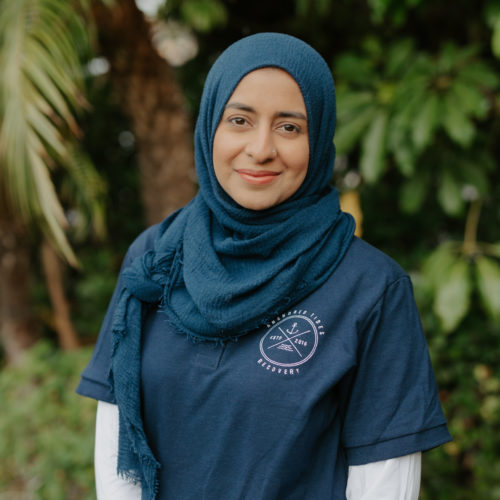
Maryam Ashraf

Primary Therapist - ACSW

Bio Coming Soon…

Hillary Delira

Program Director

Hillary, an Orange County local, has been working in the field of addiction for over a
decade and has been in recovery herself for over 13 years. Coming from a broken place with nowhere to go but up, Hillary can relate to clients on a deeper level with compassion and understanding. Her favorite thing about working in recovery is watching individuals come into their own and find the inner peace they once had but lost along the way. Hillary is currently an undergrad at the University of Phoenix with a BS in Business and working on a master’s degree in healthcare administration. Hillary not only enjoys being part of the Anchored Tides family, but showing up as a wife, daughter, sister, aunt, and friend to those around her. Hillary thanks the program of recovery every day for the life she has and strives to be an example for women everywhere.

service dogs

Bunny & Murphy

Registered Emotional Support Animals

Bunny is a 3yo male French Bulldog and Murphy is a 6yo female Shiba Inu. Both of these pups have been raised at Anchored Tides and grew up handing out love and support to our clients. They have the wonderful ability to sense when someone needs a little extra love, some playful puppy time, or just a companion to sit and hold space while they are processing something. 

Murphy’s favorite treatment activities are Lunch, Reiki, Process group, and sitting in on individual sessions. Bunny’s favorite activities are Lunch, DBT, and also sitting in on individual sessions. When they aren’t working, Murphy likes to play with her little brother (who is not a support animal), go on hikes, dig holes, sleep and eat. During Bunny’s time off, he likes to destroy squeaky toys, play with his nerf dog gun, and sleep.

They (and we) believe that animals are essential in providing emotional support. Studies have shown that some of the benefits of having an ESA include enhancing calm and relaxation, alleviating loneliness, enhancing social engagement and interaction, normalizing heart rate and blood pressure, and reducing stress, pain, anxiety, and depression. They are an important part of the holistic approach at ATR to make everyone feel loved and comfortable as they walk through their recovery journey.

Kelli Easley

Director of Marketing & Admissions

Kelli Easley comes to Anchored Tides bringing with her over seventeen years of experience in the field of addiction. Her unwavering passion to help others stems from her commitment to give back after overcoming her own 17-year addiction. She holds certifications in both Chemical Dependency and Family Development.Kelli had the good fortune of training under a well-respected interventionist, and therapists this has only strengthened her expertise in working with both individuals and families. Kelli is
currently working towards a degree in Business Administration along with being a loving mother to her husband, and two sons. In her free time, Kelli is active in the recovery community and lends her support to nonprofit organizations to help those in underserved communities.

– “Hardships often prepare ordinary people for an extraordinary destiny” – C.S. Lewis

Amy Dutton

COO / Co-Founder

Amy moved to California from Florida in 2011 to begin her journey into a life of recovery. Amy started to gain her spirit back while helping others and that’s when she found her life’s purpose. Amy graduated with a bachelor’s degree in psychology and a minor in sociology from Chapman university. Amy has also completed her CAADAC degree at Centaur university. Amy truly believes being outside and in touch with nature helps with self-destructive behaviors, which she considers to be the key to her personal recovery. After years of owning and operating a successful women’s sober living, Amy really saw the need for gender-specific aftercare. Amy Dutton and Becca Edge teamed up to create Anchored Tides Recovery.

William Nephew

Rock To Recovery

William Nephew has been a singer/songwriter for over 20 years. He achieved some notable success early in his career with emo/rock band Jack’s Broken Heart, which won a San Diego Music Award in 2001, toured the continental United States, and shared the stage with acts like The Mars Volta and Jimmy Eat World. Having a strong passion for the arts, William earned a B.A in Cinema production. Following completion of his degree at San Francisco State University, William worked on film/tv projects for major Hollywood production companies including Sony and Universal Pictures.

Williams addiction began at an early age and followed a slow and steady progression. Eventually, William knew he had to make a change. With the help of drug and alcohol treatment, William got sober on May 26th, 2014. He has been sober ever since. William’s talent as a singer/songwriter, passion for the healing power of music, and the struggles of his past make him an outstanding program administrator for Rock to Recovery. He believes in the strength of creative expression as an extremely effective tool to cope with overwhelming emotions in early sobriety because William was actually in Rock to Recovery groups as a CLIENT before he became a program facilitator. William is also a certified CADC-I drug and alcohol counselor by the state of California.

Tracy Dunn

Interventionist / Relationships & Co-Dependency

Tracy Dunn is a National Interventionist and Addiction Coach who has received training at the Crossroads Recovery Coaching Academy of Seattle Washington and The Addiction Academy in Miami Florida. As the daughter of Roger Dunn of the Roger Dunn Golf Stores, Tracy knows all too well the dramatic impact that fame and addiction can have on the family system. Her professional training partnered with over 32 years of sobriety has led Tracy to be deeply committed to both saving and changing the lives of those struggling with addiction and alcoholism and their families.

As a group facilitator, she works collaboratively with her clients to help them focus on the action they will need to take to recognize the vision they will have for themselves. As an interventionist, she has helped many families to overcome the paralyzing grip of addiction by teaching accountability, compassion, and the other tools needed to break the cycle of addiction and maintain sobriety. Tracy works with the media, treatment facilities, interventionists, therapists, and addiction psychiatrists and consults with treatment facilities. Her dedication to saving lives has given a dynamic voice of recovery to those who had previously given up hope, and the belief that they are able to create their own successes.

Katie van Heerden

Clinical Therapist

I am Katie van Heerden, a licensed marriage and family therapist, currently conducting individual and group therapy at ATR using CBT and EMDR modalities. My passion for working with those struggling with addiction and mental health is a personal one. I, myself, grew up in a family system of addiction and mental health issues with little knowledge of what to do or how to recover. This drove me to further my education in mental health disorders, first by obtaining my BA in psychology from Cal State University Fullerton, then my Master’s Degree in Clinical Psychology from Pepperdine University. While the knowledge I have obtained in school is extensive, my personal journey through life and all of its struggles have led me to the conclusion that anyone can recover if given 2 things: resources and support. When asked what keeps me going in this field, after 10+ years, I typically respond; “I am merely a farmer. I plant the seeds, nourish when necessary, and give space to allow growth.” Watching clients transform into better versions of themselves is not only rewarding but inspiring. It is a “job” I never take for granted.

Michelle King

Operations Manager

Michelle has been a part of the Anchored Tides family since 2018. Michelle is an empathetic individual who finds connection with each client. Her goal is to help women feel understood and see that long-term recovery is possible. Michelle obtained a bachelor’s degree in sociology from Brandman University and is working towards her masters in social work. Michelle is passionate about helping others and considers it an honor to be a part of a treatment team who believes the client’s care is the first priority. In her spare time Michelle loves going to concerts, camping, and road trips.

Macy Miller

Admissions Coordinator

Being the first point of contact for women seeking aftercare for their recovery in alcohol and drug addiction; I am driven & passionate about helping them with their next steps. I have always been passionate about helping others & this position allows me to see those dreams come to life.

You can always find me in nature during my self care time, usually hiking, roller skating by the beach, or surfing the waves. I enjoy music to feed my soul & get grounded. I lead a healthy & holistic way of living that I enjoy sharing with others.

Becca Edge, CEO/Co-Founder

Rebecca Edge

CEO / Co-Founder

Becca Edge is originally from Birmingham, Alabama. She is no stranger to mental health and substance abuse issues in her family, and she herself also struggled with addiction and moved to California to commit herself to treatment. She has been in long-term recovery since 2010. After much success in the corporate world, Rebecca started a sober living home as a “passion project” to provide women with a safe place as they re-enter the world as sober members of society. She noticed that there weren’t many aftercare programs dedicated to women’s sobriety or supporting them with the various co-occurring disorders that pop up once women are free from drugs and alcohol. So in 2016, Rebecca partnered with Amy to create a safe, therapy-focused place where women can heal from their addictions, trauma, and other issues while growing into who they were always meant to be. Becca is passionate about helping women realize their worth and supporting/helping them navigate the next steps of their lives, all while helping them feel secure on their road to long-term recovery.
Call Now Button