Skip to content

How to Quit Alcohol: Compassionate, Safe Steps for Women

Table of Contents

Quitting alcohol is a process that addresses physical dependence, emotional patterns, and safety risks through structured support and clinical care.

Women seeking to stop or reduce drinking benefit from approaches that recognize trauma histories, prioritize medical supervision when needed, and provide connection to peers and clinicians. This guide outlines practical steps, medical considerations, and support options to help women and their families make informed decisions about initiating recovery.

Understanding Withdrawal and Safety

Stopping or sharply reducing alcohol use can cause physical and emotional symptoms. Mild symptoms may include anxiety, insomnia, nausea, sweating, and tremors. More serious symptoms include rapid heart rate, high blood pressure, severe confusion, hallucinations, seizures, and delirium tremens; these require immediate medical attention because they can be life threatening.

Women may experience withdrawal differently depending on drinking history, medical conditions, and co-occurring mental health issues, so individual needs vary. If there is any history of heavy, prolonged drinking or previous severe withdrawal, medical supervision is the safest option.

Medically supervised detox can provide symptom management, monitoring, and medications when appropriate to reduce risk. Knowing safety signals and having a plan for urgent care are important parts of a thoughtful start to recovery, and staying connected to clinical support helps reduce health risks while addressing emotional and practical needs.

Recognizing Warning Signs

Confusion, disorientation, or extreme agitation, hallucinations or visual disturbances, fast heartbeat, fever, or very high blood pressure, and seizure activity or loss of consciousness are all emergency symptoms. If any of these occur, seek emergency medical care right away. Being prepared to access medical help supports both immediate safety and longer-term recovery planning.

Practical Steps to Prepare for Quitting or Cutting Back

Create a simple safety plan before you stop or reduce drinking. Steps that may help include telling a trusted person your plan, scheduling a check-in system, clearing alcohol from your living space, and lining up immediate supports such as a clinician, peer support, or crisis telephone numbers.

Small practical preparations—sleep hygiene, hydration, structured mealtimes, and brief daily movement—can make early days more manageable. Have a plan for high-risk moments by identifying common triggers and listing quick coping tools like grounding exercises, short walks, calling a supportive friend, or using a relaxation app. Practical planning that honors your comfort and trauma history reduces uncertainty and supports safer choices as you move into clinical or community supports.

Medication and Medical Care That Support Withdrawal and Cravings

Several medications may be used to manage withdrawal symptoms or reduce cravings, always under medical supervision. For withdrawal, benzodiazepines are commonly prescribed short term to reduce seizure risk and severe agitation; their use should be carefully managed by a clinician.

For ongoing support with alcohol use disorder, options like naltrexone and acamprosate may help reduce cravings or the reinforcing effects of alcohol. Disulfiram may be used in some cases to create an aversive response to drinking, with careful medical oversight. Medication decisions depend on medical history, liver function, other medications, pregnancy or breastfeeding status, and individual goals.

Discuss options with a physician or addiction specialist and bring a current list of your medications so potential interactions can be reviewed. Coordinated medical care helps match treatments to your health needs and recovery goals.

Women-Centered and Trauma-Informed Care

Many women find recovery easier in women-only or trauma-informed settings that prioritize emotional safety, connection, and shared experiences. Trauma-informed care recognizes how past trauma can shape substance use and recovery, emphasizes choice and bodily autonomy, and avoids retraumatizing practices.

Peer-supported models combine clinical care with community connection, accountability, and everyday structure. A women-centered program often includes group work that centers women’s experiences, individual therapy that addresses trauma and emotional health, and practical life skills. Choosing a setting that feels safe and respectful can increase engagement, and combining peer support with clinical services supports both emotional healing and practical recovery steps.

Levels of Care and What to Expect

Different levels of care match different needs and risks:

Outpatient care provides therapy, medication management, and peer supports while you remain at home. Intensive outpatient and partial hospitalization programs offer more structured daily programming while allowing some home time. Residential-style programs provide a structured, monitored environment with daily routine and peer support for those who need a safe place to step away from triggers.

What to expect: intake assessments, individualized treatment planning, routine schedules, group and individual therapy, medication reviews, and family engagement when appropriate. The intensity and duration vary by program and individual needs. Choosing a level of care that matches safety considerations, medical needs, and life responsibilities helps create a steady path forward and connects directly to practical steps for a short residential stay if needed.

Preparing for a Short Residential Stay

Packing and preparation help the transition feel more manageable. Essentials often include a government ID, insurance card, list of current medications and dosing instructions, comfortable clothing, toiletries, a phone charger, and any necessary medical supplies.

Bring copies of recent medical records if available and a concise list of emergency contacts. Avoid bringing alcohol, illegal substances, weapons, or large amounts of cash or valuables. Ask the facility about medication storage policies, visitation rules, and whether items like prescription medications must be reviewed on arrival.

Clear, respectful preparation supports safety and lets you focus on care and healing during the stay, and planning ahead also makes it easier to continue supports after discharge.

Tracking Progress in a Supportive Way

Tracking progress can help you notice patterns and celebrate changes without becoming punitive. Consider simple, compassionate methods such as a daily mood and sleep log, short notes on triggers and coping tools used, or marking days you met a small goal.

Use nonjudgmental language in notes and focus on skills learned and moments of self-care. Sharing progress with a clinician or peer can provide accountability and encouragement. Flexible tracking that centers learning and self-kindness supports long-term change and makes it easier to identify when cravings or setbacks need different supports or higher levels of care.

Managing Cravings and Responding to Setbacks

Cravings are common and can intensify during early recovery or in response to stressors. Practical strategies include grounding or breathing exercises, delaying and distracting techniques, reaching out to a supportive person, and following a safety plan.

If cravings increase or you experience lapses, review triggers and coping tools, reach out for clinical or peer support, and consider adjustments to your treatment plan, including medication options that may reduce cravings. Relapse prevention strategies that emphasize compassion and skill-building can help maintain progress over time.

A compassionate, stepwise response rather than self-blame reduces harm and helps you use supports effectively when risk increases. When cravings or use feel unmanageable, timely clinical reassessment can help determine whether a higher level of care is appropriate.

How Family and Partners Can Offer Support

Supporting a partner or family member begins with expressing care, listening without judgment, and offering practical help while maintaining clear boundaries. Encouraging treatment, helping with logistics like transportation or calls to providers, and participating in family education or therapy can be helpful.

Avoid enabling behaviors such as covering up consequences, providing money that will be used for drinking, or taking on responsibilities that prevent the individual from engaging in recovery. Set clear, compassionate boundaries and offer specific, manageable forms of help.

Family involvement that respects autonomy and emphasizes safety strengthens both short-term stability and long-term recovery supports. Additional guidance on supporting a loved one can help families navigate this process effectively.

Insurance Questions and Telehealth Considerations

When exploring paid treatment, ask whether the provider is in-network with your insurance, which services require prior authorization, estimated out-of-pocket costs, billed diagnoses or CPT codes, and what documentation is needed for coverage.

Ask about coverage for detox, residential stays, partial hospitalization, and outpatient services, as well as whether telehealth visits are covered. More information about insurance verification can help you understand your options.

Telemedicine and online therapy can increase access and are effective for many people with alcohol use disorder, particularly for counseling and medication management. However, medically supervised detox and some intensive services require in-person care. Consider your medical needs, local resources, and comfort with remote care when deciding what mix of telehealth and in-person services will work best.

Frequently Asked Questions About How to Quit Alcohol

Can I safely drive or operate heavy machinery during alcohol withdrawal?

If you are experiencing withdrawal symptoms such as dizziness, tremors, confusion, drowsiness, or are taking medications that cause sedation, you should not drive or operate heavy machinery. Some withdrawal medications can impair coordination and alertness. If you have any doubts, arrange alternative transportation and consult a clinician to determine when it is safe to resume driving or other potentially hazardous activities.

How long until I start noticing physical or mental improvements after I stop drinking?

Physical improvements like better sleep, reduced inflammation, and improved liver enzymes may begin within days to weeks for many people, though timelines vary. Mental health and cognitive improvements can begin within weeks but may continue to evolve over months. Individual factors such as drinking history, physical health, co-occurring mental health conditions, and the presence of a structured support plan influence how quickly improvements are noticed.

Will quitting alcohol affect my current medications or medical conditions?

Quitting alcohol can change how some medications work and may reveal or alter symptoms of underlying medical conditions. Alcohol can interact with many medications and affect liver function used to metabolize drugs. Always provide a complete list of medications and medical history to your clinician or pharmacist so they can check for interactions and adjust doses safely. Discuss pregnancy or breastfeeding status with your provider, as that affects medication choices.

How can I support a partner or family member who wants to quit drinking without doing it for them?

Offer nonjudgmental support, help with practical tasks like finding treatment options or arranging appointments, and encourage professional care when needed. Set compassionate boundaries that protect your well-being and avoid enabling behaviors such as providing money that could be used to buy alcohol. Participate in family education or therapy if invited and focus on clear communication, consistent expectations, and emotional support that preserves the other person’s responsibility for their recovery.

What should I pack and prepare if I plan a short residential stay for detox or treatment?

Bring a government ID, insurance or billing information, a current list of medications with doses, comfortable clothing and shoes, basic toiletries, a phone charger, and emergency contact information. Leave alcohol, illicit substances, weapons, and valuables at home. Check the facility’s policy on medications, visitation, and items allowed or restricted to make arrival smoother and less stressful.

Are online therapy and telemedicine effective for AUD compared with in-person care?

Telemedicine and online therapy are effective for many people with alcohol use disorder, especially for counseling, medication management, and ongoing support. They can improve access and convenience. Some situations, such as severe withdrawal risk or need for medically supervised detox, require in-person care. The best approach can combine telehealth and in-person services based on medical needs and personal preference.

What insurance questions should I ask when considering paid treatment options?

Ask whether the provider is in-network, what services are covered (detox, residential, partial hospitalization, outpatient), any required prior authorization, estimated length of coverage, typical out-of-pocket costs, and whether telehealth services are included. Also ask about billing practices, whether sliding scale options exist, and what documentation the facility will provide for claims or employer coverage.

How do I find women-only or trauma-informed support groups in my area?

Start by asking local treatment centers, clinicians, or community health organizations for recommendations. Use reputable directories such as the SAMHSA treatment locator, local health department resources, or sites that list trauma-informed and women-only groups. Peer-support programs and some community centers host women-only meetings; calling or emailing organizers can help you confirm the group’s focus and format before attending.

What do I do if cravings get worse after an initial period of improvement?

Reach out to your support network and treatment providers, review your safety plan, and use immediate coping strategies like grounding, breathing exercises, or brief physical activity. Consider whether medication-assisted treatment may be appropriate and discuss this with a clinician. If cravings feel overwhelming or you fear losing control, seek a higher level of care or urgent clinical assessment to reduce risk.

How can I track progress in a way that feels supportive rather than punitive?

Choose simple, nonjudgmental tools such as mood or sleep logs, brief notes on coping strategies that worked, or marking days you met self-care goals. Focus on skills learned and small wins rather than only on abstinence metrics. Share progress with a trusted clinician or peer for encouragement, and adjust tracking methods if they increase stress. The goal is to learn and build resilience, not to punish setbacks.

Begin Your Recovery Journey with Women-Centered Support

If you are a woman seeking a supportive, trauma-aware place to begin recovery, explore whether Anchored Tides may be a good fit for you. Contact our team to learn about women-centered programs, medical support options, and how we structure care to promote safety and connection.


Categories

Get Covered for Treatment Today!

Fill out the form below and submit it to the admissions team to verify your insurance can cover your treatment. So you or your loved one can focus on a lasting recovery.

women's addiction outpatient programs

Outpatient Program (OP)

Anchored Tides Recovery’s Outpatient Program (OP) offers a flexible and supportive treatment option for women seeking ongoing recovery from addiction and mental health challenges. Our OP provides personalized therapy sessions, group counseling, and holistic support tailored to each individual’s needs. This program allows women to continue their daily activities and responsibilities while receiving the care and support necessary for sustained recovery. With a compassionate approach, our Outpatient Program fosters healing, resilience, and personal growth, empowering women to achieve and maintain long-term wellness in a nurturing and understanding environment.

womens-drug-rehab

Intensive Outpatient Program (IOP)

Anchored Tides Recovery’s Intensive Outpatient Program (IOP) provides a flexible and supportive treatment option for women seeking recovery from addiction and mental health issues. Our IOP combines evidence-based therapies, group counseling, and individualized care plans tailored to each woman’s unique needs. With a focus on empowering women to rebuild their lives, our program offers the structure needed for recovery while allowing participants to maintain their daily responsibilities. In a compassionate and understanding environment, women can develop the skills and resilience necessary for long-term recovery and personal growth.

Anchored Tides Recovery - Women's Partial Hospitalization Program (PHP) - woman at beach

Partial Hospitalization Program (PHP)

Anchored Tides Recovery’s Partial Hospitalization Program (PHP) is designed for women who need intensive support while maintaining some level of independence. Our PHP offers a structured and comprehensive treatment plan that includes individual therapy, group counseling, life skills training, and holistic therapies. With a focus on addressing the root causes of addiction and mental health issues, our program provides a nurturing and empowering environment. Women in our PHP receive the care and tools necessary to achieve lasting recovery, all within a supportive community that fosters healing and growth.

Anchored Tides Recovery - Eating Disorder Program Treatment

Eating Disorder Treatment

At Anchored Tides Recovery, our Eating Disorder Treatment program offers a holistic, compassionate approach tailored specifically for women. Our multidisciplinary team provides personalized care that includes medical monitoring, nutritional counseling, therapy, and support groups. We focus on healing the underlying emotional and psychological factors contributing to eating disorders, empowering women to achieve a healthy relationship with food and their bodies. Our supportive environment encourages lasting recovery and overall well-being, helping women reclaim their lives with confidence and resilience.
Anchored Tides Recovery - Huntington Beach, CA - Medical Director - Dr. Sanchez

Dr. Sanchez

Medical Director

Venice Sanchez, MD, is a board-certified psychiatrist and addiction medicine specialist. At her practice in Newport Beach, California, Dr. Sanchez takes a holistic approach to care that emphasizes not only medication management and traditional medicine, but also the incorporation of therapy, spirituality, healthy eating and exercise, and social factors. She is a diplomate of the American Board of Psychiatry and Neurology and Addiction Medicine.

Dr. Sanchez received her bachelor’s degree from the University of California, Los Angeles, and her medical degree from Michigan State University College of Human Medicine. She continued her training at the University of California, Irvine Psychiatry Residency Program where she was recognized by faculty with the Outstanding Resident of the Year Award as an acknowledgment for her dedicated efforts in education, the clinics, and her work with her patients.

Dr. Sanchez has had extensive training at multiple facilities under the supervision of experts in her field, which allowed her to gain comprehensive knowledge and experience in treating a wide array of psychiatric disorders. Her work at the Long Beach VA, various addiction rehabilitation centers, and San Diego Detention facilities allowed her to gain expertise in Post Traumatic Stress Disorder, substance abuse, and mood and thought disorders underlying substance use.

Dr. Sanchez realizes the significant need in women’s health, especially in treating pregnant and postpartum patients who are struggling with mental illness. She not only trained with a specialist at the Maternal and Fetal clinic at UCI Medical Center, but she was also at the forefront in opening up the first Women’s Mental Health Medication Management Clinic at Long Beach VA Veteran’s Hospital. Her passion for her field allowed her to diligently pursue the much-needed training and experience in treating patients who have a comorbid psychiatric diagnosis. She also specializes in treatment-resistant psychiatric disorders.

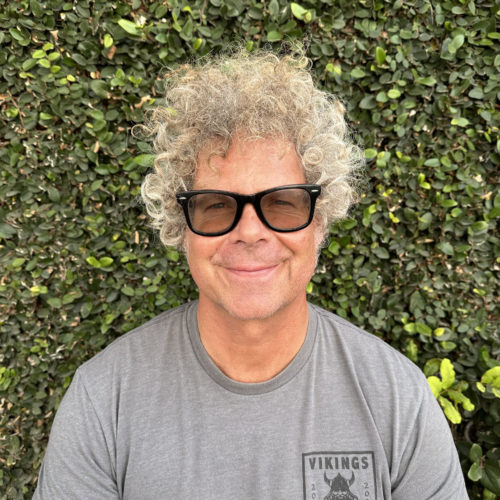
Andrew Mouck

Andrew Mouck

Fitness Education - RADT-1, Certified Personal Trainer

My name is Andy Mouck, and I am a dedicated group facilitator at Anchored Tides Recovery. Having personally overcome addiction and completed treatment in 2017, I am deeply passionate about helping individuals on their recovery journey. I bring a
compassionate and empathetic approach to my role, creating a safe space for participants to heal and grow. Alongside my work as a group facilitator, I am a National Academy of Sports Medicine Certified Personal Trainer, sharing my love for fitness and wellness as an integral part of recovery. With a bachelor’s degree in economics from California State University, Long Beach, and ongoing studies in a post-baccalaureate health program at California State University, Fullerton, I bring a comprehensive understanding of addiction and the importance of holistic care. As a registered drug and alcohol technician, I am committed to providing the highest quality care and staying informed about the latest advancements in addiction treatment. I am honored to be part of the Anchored Tides Recovery team, empowering individuals to embrace sobriety, rebuild their lives, and create a future filled with hope and purpose.

Markie Maneval

Markie Maneval

Operations Manager - RADT-1

Like many who have struggled with addiction, Markie’s journey to sobriety was no straightforward path. As a Tulane University student and intern for the NASA Stennis Space Center, she was on her way to a successful life! Personal struggles and watching her brother also struggle and lose his battle with drugs and alcohol only drove her deeper into addiction. Her drug and alcohol abuse continued to grow out of control until she finally realized it was time to surrender and get help. She was tired of living on the streets. She was tired of hurting her loved ones. She was tired of how much she hated herself.

She now has over five years of sobriety and is a strong believer in the ability to transform the future by making positive and healthy changes. Today, Markie has over five years of sobriety and has worked in the drug and alcohol treatment industry for over 4 years. She is a strong believer in the ability to transform the future by making positive and healthy changes. She is passionate about the work and the impact she makes on her community. Markie recently joined the Anchored Tides Recovery Team and is excited to help women begin their journey into sobriety!

Sierra-Flynn

Sierra Flynn

Primary Therapist - AMFT, CATC3

Hello, My name is Sierra Flynn. I am an associate marriage and family therapist and an addiction treatment counselor. I completed my undergraduate studies at California State University, Fullerton where I emphasized substance use and mental health. I then proceeded to receive my master’s degree in Marriage and Family Therapy from Alliant International University, and I am currently pursuing a Doctoral Degree in Marriage and Family Therapy at Alliant. I strongly believe in reducing stigma as it relates to addiction; therefore, I have dedicated my career and life’s work to working on the front lines with this population. I was given a second chance in life, and I believe everyone deserves the opportunity to succeed and reach their best self. The modalities I treat clients with are theories I have found to be effective in my own therapeutic work. I am trained in EMDR, and I specialize in the treatment of complex trauma and addiction.
Anchored Tides Recovery - Kelly Blasco - Registered Dietitian Nutritionist, Eating Disorder Specialist

Kelly Blasco

Registered Dietitian Nutritionist, Eating Disorder Specialist - R.D.

Kelly is the RD for the PHP and IOP program at Anchored Tides and focuses primarily on helping people struggling with eating disorders overcome their challenges. She received her Bachelor of Science in Nutrition and Dietetics from California State University Los Angeles and went on to work inpatient psych and outpatient HIV before beginning her work in treating eating disorders.
Alisa Fienmann - Case Manager

Alisa Fienmann

Case Manager - CDAC-II

Alisa brings a high level of dedication and compassion to her work as an addiction counselor and group facilitator. A certified addiction treatment counselor (CADC-II), Alisa has nine years of experience working in the substance abuse field. Alisa has apassion for both helping others in recovery and guiding women through the process of rebuilding a valued life and increasing their self-worth. She embraces her strengths of empathy and patience to help others develop upon their inherent set of skills and seek a purpose based on their own abilities. Alisa is DBT (Dialectical Behavior Therapy)
informed and brings her expertise to the therapeutic setting. Currently, Alisa is working towards a bachelor’s degree in psychology at California State University Fullerton, with the hopes of becoming a social worker. When not at work or school, Alisa enjoys fitness, watching the Boston Red Sox, salsa dancing, and spending time with family and friends.

Christian Gibbs

Music Group / Rock 2 Recovery

Bio Coming Soon…

Jennifer Hojnacki

Social Worker / Case Management - ACSW

Bio Coming Soon…

Maryam Ashraf

Primary Therapist - ACSW

Bio Coming Soon…

Hillary Delira

Program Director

Hillary, an Orange County local, has been working in the field of addiction for over a
decade and has been in recovery herself for over 13 years. Coming from a broken place with nowhere to go but up, Hillary can relate to clients on a deeper level with compassion and understanding. Her favorite thing about working in recovery is watching individuals come into their own and find the inner peace they once had but lost along the way. Hillary is currently an undergrad at the University of Phoenix with a BS in Business and working on a master’s degree in healthcare administration. Hillary not only enjoys being part of the Anchored Tides family, but showing up as a wife, daughter, sister, aunt, and friend to those around her. Hillary thanks the program of recovery every day for the life she has and strives to be an example for women everywhere.

service dogs

Bunny & Murphy

Registered Emotional Support Animals

Bunny is a 3yo male French Bulldog and Murphy is a 6yo female Shiba Inu. Both of these pups have been raised at Anchored Tides and grew up handing out love and support to our clients. They have the wonderful ability to sense when someone needs a little extra love, some playful puppy time, or just a companion to sit and hold space while they are processing something. 

Murphy’s favorite treatment activities are Lunch, Reiki, Process group, and sitting in on individual sessions. Bunny’s favorite activities are Lunch, DBT, and also sitting in on individual sessions. When they aren’t working, Murphy likes to play with her little brother (who is not a support animal), go on hikes, dig holes, sleep and eat. During Bunny’s time off, he likes to destroy squeaky toys, play with his nerf dog gun, and sleep.

They (and we) believe that animals are essential in providing emotional support. Studies have shown that some of the benefits of having an ESA include enhancing calm and relaxation, alleviating loneliness, enhancing social engagement and interaction, normalizing heart rate and blood pressure, and reducing stress, pain, anxiety, and depression. They are an important part of the holistic approach at ATR to make everyone feel loved and comfortable as they walk through their recovery journey.

Kelli Easley

Director of Marketing & Admissions

Kelli Easley comes to Anchored Tides bringing with her over seventeen years of experience in the field of addiction. Her unwavering passion to help others stems from her commitment to give back after overcoming her own 17-year addiction. She holds certifications in both Chemical Dependency and Family Development.Kelli had the good fortune of training under a well-respected interventionist, and therapists this has only strengthened her expertise in working with both individuals and families. Kelli is
currently working towards a degree in Business Administration along with being a loving mother to her husband, and two sons. In her free time, Kelli is active in the recovery community and lends her support to nonprofit organizations to help those in underserved communities.

– “Hardships often prepare ordinary people for an extraordinary destiny” – C.S. Lewis

Amy Dutton

COO / Co-Founder

Amy moved to California from Florida in 2011 to begin her journey into a life of recovery. Amy started to gain her spirit back while helping others and that’s when she found her life’s purpose. Amy graduated with a bachelor’s degree in psychology and a minor in sociology from Chapman university. Amy has also completed her CAADAC degree at Centaur university. Amy truly believes being outside and in touch with nature helps with self-destructive behaviors, which she considers to be the key to her personal recovery. After years of owning and operating a successful women’s sober living, Amy really saw the need for gender-specific aftercare. Amy Dutton and Becca Edge teamed up to create Anchored Tides Recovery.

William Nephew

Rock To Recovery

William Nephew has been a singer/songwriter for over 20 years. He achieved some notable success early in his career with emo/rock band Jack’s Broken Heart, which won a San Diego Music Award in 2001, toured the continental United States, and shared the stage with acts like The Mars Volta and Jimmy Eat World. Having a strong passion for the arts, William earned a B.A in Cinema production. Following completion of his degree at San Francisco State University, William worked on film/tv projects for major Hollywood production companies including Sony and Universal Pictures.

Williams addiction began at an early age and followed a slow and steady progression. Eventually, William knew he had to make a change. With the help of drug and alcohol treatment, William got sober on May 26th, 2014. He has been sober ever since. William’s talent as a singer/songwriter, passion for the healing power of music, and the struggles of his past make him an outstanding program administrator for Rock to Recovery. He believes in the strength of creative expression as an extremely effective tool to cope with overwhelming emotions in early sobriety because William was actually in Rock to Recovery groups as a CLIENT before he became a program facilitator. William is also a certified CADC-I drug and alcohol counselor by the state of California.

Tracy Dunn

Interventionist / Relationships & Co-Dependency

Tracy Dunn is a National Interventionist and Addiction Coach who has received training at the Crossroads Recovery Coaching Academy of Seattle Washington and The Addiction Academy in Miami Florida. As the daughter of Roger Dunn of the Roger Dunn Golf Stores, Tracy knows all too well the dramatic impact that fame and addiction can have on the family system. Her professional training partnered with over 32 years of sobriety has led Tracy to be deeply committed to both saving and changing the lives of those struggling with addiction and alcoholism and their families.

As a group facilitator, she works collaboratively with her clients to help them focus on the action they will need to take to recognize the vision they will have for themselves. As an interventionist, she has helped many families to overcome the paralyzing grip of addiction by teaching accountability, compassion, and the other tools needed to break the cycle of addiction and maintain sobriety. Tracy works with the media, treatment facilities, interventionists, therapists, and addiction psychiatrists and consults with treatment facilities. Her dedication to saving lives has given a dynamic voice of recovery to those who had previously given up hope, and the belief that they are able to create their own successes.

Katie van Heerden

Clinical Therapist

I am Katie van Heerden, a licensed marriage and family therapist, currently conducting individual and group therapy at ATR using CBT and EMDR modalities. My passion for working with those struggling with addiction and mental health is a personal one. I, myself, grew up in a family system of addiction and mental health issues with little knowledge of what to do or how to recover. This drove me to further my education in mental health disorders, first by obtaining my BA in psychology from Cal State University Fullerton, then my Master’s Degree in Clinical Psychology from Pepperdine University. While the knowledge I have obtained in school is extensive, my personal journey through life and all of its struggles have led me to the conclusion that anyone can recover if given 2 things: resources and support. When asked what keeps me going in this field, after 10+ years, I typically respond; “I am merely a farmer. I plant the seeds, nourish when necessary, and give space to allow growth.” Watching clients transform into better versions of themselves is not only rewarding but inspiring. It is a “job” I never take for granted.

Michelle King

Operations Manager

Michelle has been a part of the Anchored Tides family since 2018. Michelle is an empathetic individual who finds connection with each client. Her goal is to help women feel understood and see that long-term recovery is possible. Michelle obtained a bachelor’s degree in sociology from Brandman University and is working towards her masters in social work. Michelle is passionate about helping others and considers it an honor to be a part of a treatment team who believes the client’s care is the first priority. In her spare time Michelle loves going to concerts, camping, and road trips.

Macy Miller

Admissions Coordinator

Being the first point of contact for women seeking aftercare for their recovery in alcohol and drug addiction; I am driven & passionate about helping them with their next steps. I have always been passionate about helping others & this position allows me to see those dreams come to life.

You can always find me in nature during my self care time, usually hiking, roller skating by the beach, or surfing the waves. I enjoy music to feed my soul & get grounded. I lead a healthy & holistic way of living that I enjoy sharing with others.

Becca Edge, CEO/Co-Founder

Rebecca Edge

CEO / Co-Founder

Becca Edge is originally from Birmingham, Alabama. She is no stranger to mental health and substance abuse issues in her family, and she herself also struggled with addiction and moved to California to commit herself to treatment. She has been in long-term recovery since 2010. After much success in the corporate world, Rebecca started a sober living home as a “passion project” to provide women with a safe place as they re-enter the world as sober members of society. She noticed that there weren’t many aftercare programs dedicated to women’s sobriety or supporting them with the various co-occurring disorders that pop up once women are free from drugs and alcohol. So in 2016, Rebecca partnered with Amy to create a safe, therapy-focused place where women can heal from their addictions, trauma, and other issues while growing into who they were always meant to be. Becca is passionate about helping women realize their worth and supporting/helping them navigate the next steps of their lives, all while helping them feel secure on their road to long-term recovery.
Call Now Button