A Guide to Women's Addiction Treatment and Recovery
Rehab — short for rehabilitation — is a structured program that combines medical care, therapy, and peer support to help women safely stop using substances and build the skills needed for longer-term recovery. Anchored Tides Recovery is a women-only addiction treatment center in Huntington Beach, California, serving women throughout Orange County and Southern California — offering residential-style care, PHP, IOP, and outpatient services designed around women’s specific recovery needs.
Each section below answers a specific question: what each level of care involves, how long treatment typically lasts, what it costs, whether insurance covers it, and what to expect from the first call through discharge. For the full list of recovery resources and support options, see our resource library.
TL;DR
Rehab is a structured, medically supervised process — including detox, therapy, and peer support — that helps women safely stop substance use and build a foundation for lasting recovery.
Key Takeaways
- Rehab is not one program — it is a continuum ranging from 24/7 medical detox to weekly outpatient sessions.
- Women’s residential programs typically run 30–90 days; PHP and IOP run for weeks to several months.
- Clinical placement follows ASAM criteria — a six-dimension assessment that matches care intensity to individual need.
- CBT, DBT, trauma-focused therapy, MAT, and peer group work are the core clinical modalities.
- Relapse during or after treatment is a clinical signal — not a reason to leave care.
- Most private insurance plans cover addiction treatment under federal parity law; benefits vary by plan.
- Admissions can move same-day or next-day for urgent medical need.
Make an appointment
To make an appointment, call 866-329-6639 or submit a form .
Verify Insurance
Want to see if you can get treatment covered, submit your insurance verification .
Levels of Care: From Detox to Outpatient
Addiction treatment is organized into levels that match the intensity of medical and clinical needs. Most people move through more than one level — starting at higher intensity and stepping down as stability improves.
Anchored Tides offers four levels of care for women: residential-style treatment, PHP, IOP, and standard outpatient — all delivered in a women-only, trauma-informed setting.
Addiction treatment is organized into levels that match the intensity of medical and clinical needs. Most people move through more than one level—starting at higher intensity and stepping down as stability improves.
Anchored Tides offers four levels of care for women: residential-style treatment, PHP, IOP, and standard outpatient—all delivered in a women-only, trauma-informed setting.
| Level | Hours / Day | Where You Live | Medical Oversight | Best Fit For |
|---|---|---|---|---|
| Medical Detox | Varies; 24/7 monitoring | Inpatient facility | Continuous or daily | Acute withdrawal; safety risk; first step into care |
| Residential | ~6–8 hrs structured + 24/7 care | On-site or program house | Daily, on-site staff | Needing full removal from home environment; early recovery |
| PHP | 5–6 hrs/day, 5 days/wk | Home or sober living | Regular; not 24/7 | Medically stable; needs intensive daytime support |
| IOP | 3–4 hrs/day, 3–5 days/wk | Home or sober living | Periodic check-ins | Balancing work or family; stepping down from PHP |
| Outpatient (OP) | 1–2 hrs, 1–2 days/wk | Home | As needed | Long-term maintenance; aftercare; relapse prevention |
How Placement Level Is Determined
Clinical placement is guided by the ASAM (American Society of Addiction Medicine) criteria — a standardized framework used by treatment programs across the United States. ASAM evaluates six dimensions to recommend the right level of care:
- Withdrawal risk and risk of acute intoxication
- Physical health conditions that may affect treatment
- Mental health and cognitive functioning
- Readiness and motivation to change
- Relapse potential and current recovery environment
- Housing stability and social support
A higher level of need in any dimension points toward more intensive care. Placement is not fixed — clinical teams reassess regularly and adjust as stability improves. No referral is needed; Anchored Tides accepts self-referrals and referrals from family members or other providers.
- PHP
- IOP
- Residential Treatment
PHP — partial hospitalization program — provides full-day clinical programming (5–6 hours, five days per week) without overnight stays. People return home or to sober living in the evenings. Women’s PHP at Anchored Tides focuses on relapse prevention, emotional regulation, and coordinated clinical care.
PHP is used as a step-down from residential care or as an entry point for people who are medically stable but need more support than standard outpatient provides.
IOP — intensive outpatient program — offers 3–4 hours of therapy, three to five days per week, so people can maintain work, parenting, or school commitments. Women’s IOP at Anchored Tides is typically used as a step-down from PHP or as an entry point for women with stable home support and lower medical risk.
Sober living homes — structured, substance-free residences with peer accountability — are a common housing option during IOP for women who need a stable environment while transitioning out of higher-level care. Anchored Tides can assist with sober living referrals as part of discharge planning.
Residential treatment provides 24-hour support in a structured living environment. Daily schedules include individual therapy, group sessions, peer support, skills work, and wellness activities. Women’s residential programs at Anchored Tides include case management, psychiatric care, and family engagement.
Residential care works well for women who need a stable, substance-free environment; whose home situation does not support early recovery; or who have not made progress in outpatient settings.
How Long Does Rehab Last?
Treatment length varies by level of care, individual progress, and clinical reassessment. The ranges below are common benchmarks — not fixed durations.
- Medical detox: 3–10 days, depending on the substance and withdrawal severity.
- Residential treatment: commonly 30, 60, or 90 days. Clinical teams recommend the length that matches individual progress — discharge before stability is established increases the risk of early relapse.
- PHP: typically 4–6 weeks, with gradual step-down as stability improves.
- IOP: typically 6–12 weeks, sometimes longer for complex co-occurring conditions.
- Outpatient and aftercare: months to years, based on individual needs and goals.
There is no universal minimum. Longer engagement with treatment is consistently linked to better outcomes — which is why step-down planning starts on day one.
Aftercare and Continuing Care
Recovery does not end at discharge. Continuing care — also called aftercare — refers to the structured support that follows a formal treatment episode. Common components include:
- Step-down to a lower level of care (e.g., residential → PHP → IOP → outpatient)
- Sober living housing for women who need a stable, substance-free place to live
- Ongoing individual therapy with an outpatient provider
- Peer support programs: 12-step, SMART Recovery, or non-12-step alternatives
- Alumni programming and ongoing recovery support
At Anchored Tides, discharge planning begins in the first week of treatment — not the last. The goal is a seamless transition, not an abrupt end.
Does Rehab Work? What the Evidence Shows
Addiction is recognized by SAMHSA and the American Society of Addiction Medicine as a chronic, treatable condition — not a moral failure or lack of willpower. Treatment can reduce substance use, improve physical and mental health, and support sustained recovery.
Treatment outcomes vary by substance, severity of dependence, co-occurring conditions, and how long someone stays engaged with care. Evidence-based approaches — including CBT, MAT, and peer support — are backed by research from evidence-based treatment from SAMHSA and NIDA and form the clinical core of most accredited programs. No treatment guarantees sobriety. Longer engagement with care is consistently linked to better outcomes — which is why continuing care and discharge planning are built into treatment from the start.
Relapse rates for addiction are comparable to those for other chronic conditions like hypertension. A relapse is not a sign that treatment has failed — it is a signal that the plan needs adjustment. Learn more about understanding relapse and what it means for recovery.
How Much Does Rehab Cost, and Does Insurance Cover It?
Cost varies by level of care, program length, and location. The figures below are general U.S. orientation ranges — not quotes. Actual costs depend on your insurance plan and specific program.
Anchored Tides accepts most major commercial insurance plans, including Aetna, Cigna, BCBS, and UnitedHealthcare, and can verify benefits before your first call.
Out-of-pocket costs vary widely by level of care, program length, facility type, and insurance plan. The most accurate way to know what you will pay is to verify your benefits directly — costs quoted online are estimates and may not reflect your plan’s specific coverage, deductibles, or in-network rates.
The Mental Health Parity and Addiction Equity Act (MHPAEA) requires most health insurance plans to cover substance use disorder treatment at the same level as other medical care. Coverage details — deductibles, prior authorization, and in-network status — vary by plan. Verify your insurance benefits online or by calling Anchored Tides admissions before assuming out-of-pocket responsibility.
What Therapies Does Women’s Rehab Include?
All clinical programs at Anchored Tides are trauma-informed — safety, trust, and gender-responsive care are built into every level of the program, not added on as extras.
What Is Gender-Responsive Care?
Gender-responsive care goes beyond a women-only enrollment policy. It means therapy content, group topics, and clinical approaches are designed around women’s experiences, stressors, and recovery pathways.
Women are more likely than men to report trauma, relationship violence, and caretaking stress as primary factors in their substance use. Programs that address these directly — rather than applying a gender-neutral model — are better positioned to meet women where they are.
At Anchored Tides, gender-responsive care includes trauma-focused therapy groups, parenting and family support, reproductive health awareness, and a peer community made up entirely of women in recovery.
What Does “Evidence-Based Treatment” Mean?
Evidence-based means a therapy has been tested in clinical research and shown to produce better outcomes than no treatment or alternative approaches. The treatments with the strongest evidence for substance use disorders, per SAMHSA and NIDA, include:
- Cognitive behavioral therapy (CBT) — identifies and changes thought patterns that drive substance use
- Dialectical behavior therapy (DBT) — builds emotional regulation and distress tolerance
- Medication-assisted treatment (MAT) — reduces withdrawal severity and craving through FDA-approved medications
- Trauma-focused therapy for women — addresses the high co-occurrence of trauma and addiction in women
- Contingency management — structured positive reinforcement to support abstinence
When evaluating any program, it is fair to ask which therapies are used and whether they are evidence-based.
Individual Therapy
One-on-one sessions with a licensed clinician address personal history, trauma, triggers, and recovery goals. Common approaches include individual therapy for women using CBT — which targets thought and behavior patterns — and DBT, which builds emotional regulation and distress tolerance.
At Anchored Tides, women work with licensed clinicians, psychiatrists, and peer support specialists in a women-only environment built to reduce the barriers that prevent many women from seeking care.
Treatment plans are reviewed and updated on a regular basis. Sessions are private and confidential within the limits explained in the confidentiality section below.
Group Therapy and Peer Support
Group therapy creates space for shared learning, accountability, and connection. The benefits of group therapy in recovery include reduced isolation, normalized shared experience, and the practical use of coping skills in a supported setting.
Women-only groups address issues that disproportionately affect women in recovery: relationships, parenting, trauma, body image, and self-care. Peer-led support from women with lived experience complements the clinical group work.
Trauma-Informed Therapy
Research shows high co-occurrence of trauma and substance use disorders in women. Programs grounded in trauma-informed care for women recognize how past experiences shape current behavior and put physical and emotional safety first at every stage. Trauma-focused approaches may include EMDR trauma therapy, Seeking Safety, and trauma-focused CBT.
Trauma-informed therapy does not require revisiting painful memories before a person is ready. It builds a foundation of safety and trust that supports recovery from both substance use and underlying trauma.
Family Engagement and Life-Skills
Family sessions, education, and communication coaching help repair relationships and build a safer home environment for discharge. Life-skills coaching covers housing, employment, finances, and parenting — practical supports that make recovery sustainable.
For Families and Loved Ones
Family members often have their own questions: what to expect during treatment, how to communicate with a loved one in residential care, and how to support recovery without enabling continued use.
Most programs offer family education sessions and structured family therapy that includes the person in treatment. Al-Anon and similar groups provide free, ongoing peer support for family members regardless of whether their loved one is currently in care.
Encouraging professional help while maintaining appropriate personal limits is one of the most effective things a family member can do.
What Does a Typical Day in Residential Rehab Look Like?
A residential day is structured to provide routine, clinical engagement, and adequate rest. What to expect during a residential stay varies by program — the schedule below is representative.
- Morning check-in or community meeting
- Individual therapy (typically 1 hour, several times per week)
- Group therapy: 1–2 sessions per day on relapse prevention, coping skills, and emotional regulation
- Psychoeducation or skills groups
- Medical or psychiatric appointment as scheduled
- Wellness time: physical activity, mindfulness, recreation, or creative arts
- Evening check-in or reflection group
- Family sessions or visitation per program schedule
Clear rules and expectations are explained at arrival to maintain safety and consistency. Staff support residents in building new routines from day one.
Discharge planning starts early — not in the final days. Most programs build a personalized plan that maps out step-down care, housing, outpatient services, and peer support before the person leaves.
Co-Occurring Mental Health Conditions (Dual Diagnosis)
Dual diagnosis — also called co-occurring disorders — means having both a substance use disorder and a mental health condition at the same time. Common co-occurring conditions include depression, anxiety, PTSD, bipolar disorder, and eating disorders. Women’s dual diagnosis treatment addresses both conditions at the same time using integrated care — rather than treating them one after the other.
When only one condition is treated, the other continues to affect behavior, mood, and coping — which is why integrated care addresses both simultaneously. Coordinated psychiatric and addiction treatment, including medication management where appropriate, gives each condition the clinical attention it requires.
Confidentiality: What Is and Isn’t Private in Treatment
Your treatment records are private by law. Federal protections include HIPAA and, for substance use disorder records specifically, 42 CFR Part 2 — a stricter federal standard that prevents disclosure to employers, family members, or others without your written consent.
Standard exceptions are explained at intake and include: imminent risk of harm to self or others; suspected child abuse or neglect; and court-ordered disclosures. Ask for a written privacy notice if you have specific questions.
Medications During Rehab: What to Expect
Most programs work with your existing prescribers to continue necessary medications for medical or psychiatric conditions. Bring all current medications in original labeled containers with a written list of dosages and your prescriber’s contact information.
Medication-assisted treatment (MAT) combines FDA-approved medications with therapy to treat opioid and alcohol use disorders. Common MAT medications include buprenorphine (Suboxone), methadone, and naltrexone (Vivitrol). MAT reduces withdrawal severity, suppresses cravings, and lowers overdose risk — and is recognized as evidence-based by SAMHSA, NIDA, and the American Society of Addiction Medicine.
MAT is not substituting one drug for another. It is FDA-regulated medical treatment for a medical condition, prescribed and monitored by a licensed clinician.
Supports for Pregnant and Parenting Women
Programs at Anchored Tides are designed for adult women and include specialized supports for pregnant women, parenting women, and women with co-occurring mental health conditions.
Many programs offer pregnancy-informed care or work with obstetric providers to ensure safety for both mother and fetus. Addiction treatment during pregnancy — including MAT when clinically appropriate — is supported by major medical guidelines as safer than abrupt cessation for many substances. Disclosing pregnancy at intake lets staff arrange prenatal care and appropriate risk management.
Parenting supports include education, family therapy, and planning for childcare and custody considerations. Not all residential programs provide on-site childcare; many offer parenting classes, supervised visitation coordination, and referrals to community resources. Ask admissions staff what is available.
What Happens If Someone Relapses During or After Treatment?
Relapse is a clinical signal that care needs adjustment — not a moral failure or reason to leave treatment. Relapse prevention for women is built into treatment at every level of care — from residential through outpatient — not saved for end-of-program planning.
When relapse occurs, the clinical response is reassessment — not discharge. The team identifies what changed, reviews the safety and relapse prevention plan, and adjusts care accordingly. Options include stepping back to a higher level of care, modifying the medication plan, increasing session frequency, or adding peer support. The goal is to stabilize and re-engage — not to restart from zero.
How to Get Started: From First Call to Admission
Getting admitted to a treatment program typically follows these five steps. Urgent situations can compress the timeline significantly.
- Call or contact admissions. A team member asks about the substances involved, current medical situation, insurance, and any urgent concerns. Most initial calls take 15–30 minutes. You do not need to have all the answers — the team helps figure out next steps.
- Insurance verification. Admissions verifies benefits with your insurance carrier — often same-day. If there is no insurance, self-pay and financing options are discussed.
- Clinical assessment. A licensed clinician conducts a more detailed intake assessment by phone or in person to determine the right level of care and any medical requirements before admission.
- Medical clearance (if required). Some programs require a physician-completed clearance form, especially for residential admissions. For urgent needs, this step is expedited.
- Admission. Arrival at the facility, program orientation, medical intake, and first clinical meeting. For urgent medical situations — including severe withdrawal risk — seek emergency care first, then contact the admissions team.
Start the admissions and insurance verification process online, or call Anchored Tides Recovery to speak with a team member directly.
How to Prepare Before Entering Rehab
A few practical steps before arrival can reduce anxiety and logistical barriers:
- Arrange time off work. The FMLA (Family and Medical Leave Act) protects jobs for eligible employees seeking treatment. A social worker or admissions coordinator can help with documentation.
- Notify trusted contacts and arrange care for children, pets, and dependents.
- Handle urgent bills, automatic payments, and household responsibilities where possible.
- Compile a medication list, insurance card, and relevant medical records.
- Pack essentials: identification, comfortable clothing, toiletries, and approved personal items. Check facility guidelines for electronics and valuables.
- Write down questions for the intake team — anything you are unsure about is worth asking.
Fear and uncertainty before treatment are normal and expected. Many women find it helpful to bring a trusted person to the intake call, or to read firsthand accounts from others who have been through the same process.
Frequently Asked Questions (FAQs)
Your records are protected by HIPAA and, for substance use programs, by 42 CFR Part 2 — a stricter standard that prevents disclosure to employers or family members without your written consent. Limits to confidentiality (imminent harm, child abuse, court orders) are explained at intake. Ask for a written privacy notice if you have specific concerns.
Yes. Most programs work with your existing prescribers to continue necessary medications. Bring medications in original labeled containers with a current dosage list. Controlled substances and psychiatric medications may require additional protocols — discuss these in advance with clinical staff.
Bring identification, insurance card, medication list and prescriptions, comfortable clothing for several days, toiletries, and any required medical devices. Leave behind alcohol, substances, and items on the program’s prohibited list. Confirm electronics and valuables policies with the facility before arrival.
No. HIPAA and 42 CFR Part 2 protect treatment records from disclosure to employers without your written consent. If you use FMLA leave, your employer is notified of a medical leave but not the specific condition or treatment details. A social worker can assist with leave documentation.
Phone and visitation policies vary by program. Most residential programs use structured communication periods rather than open phone access — particularly in the first few days. Ask admissions for the specific policy before arrival so family members know what to expect.
PHP (partial hospitalization program) involves 5–6 hours of daily programming, five days per week — closer in intensity to residential care. IOP (intensive outpatient program) involves 3–4 hours, three to five days per week, with more flexibility for work and family. A full comparison of both options is available in the Levels of Care section above.
Most private insurance plans cover addiction treatment under the federal Mental Health Parity and Addiction Equity Act. State-funded and sliding-scale programs are also available for people without insurance. Admissions staff can walk through insurance verification, financing options, and community resources during the intake call.
For urgent medical situations, seek emergency care first. For non-emergency urgent admissions, same-day or next-day intake is possible at many programs when a bed is available, insurance is verified, and medical clearance is obtained. Call admissions directly and state the urgency clearly — this accelerates every step.
Take the Next Step Toward Women-Centered Recovery
Anchored Tides Recovery is a women-only addiction treatment center in Huntington Beach, Orange County, California, offering residential-style care, PHP, IOP, and outpatient services in a trauma-informed, peer-supported setting. Learn more about our women’s addiction treatment programs or speak with our admissions team to understand your options.
The Anchored Tides admissions team is available to answer questions, verify insurance, and guide the intake process — same-day response is available for urgent situations.
You can verify your insurance coverage online before calling — it takes a few minutes and gives you a clearer picture of your out-of-pocket costs.
Medical disclaimer: The information on this page is for general educational purposes only. It is not a substitute for advice from a licensed clinician, financial advisor, or insurance professional. Speak with a qualified provider for guidance specific to your situation. Program details, insurance coverage, and regulatory requirements may change — contact Anchored Tides Recovery directly to confirm current information.
HUNTINGTON BEACH WOMEN’S REHABILITATION AND TREATMENT CENTER
HELPING WOMEN RECOVER DRUG & ALCOHOL ADDICTION, MENTAL HEALTH, TRAUMA, AND DISORDERED EATING










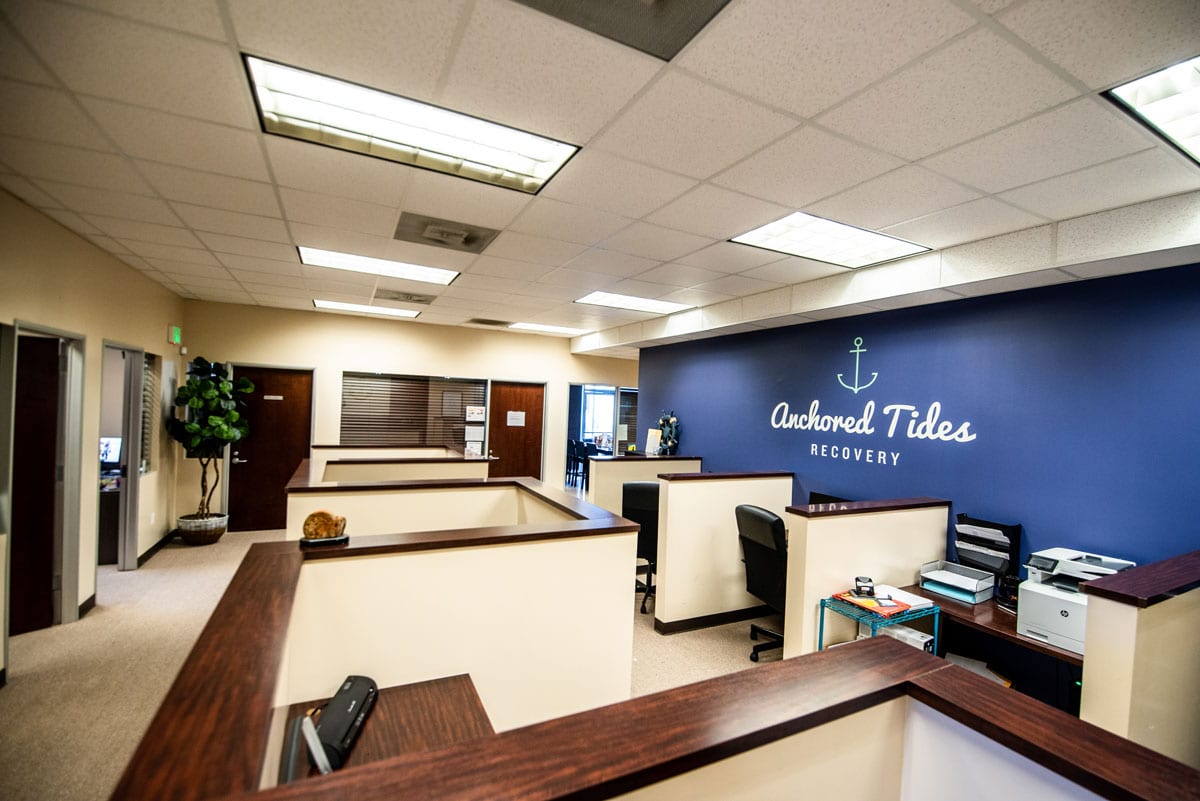




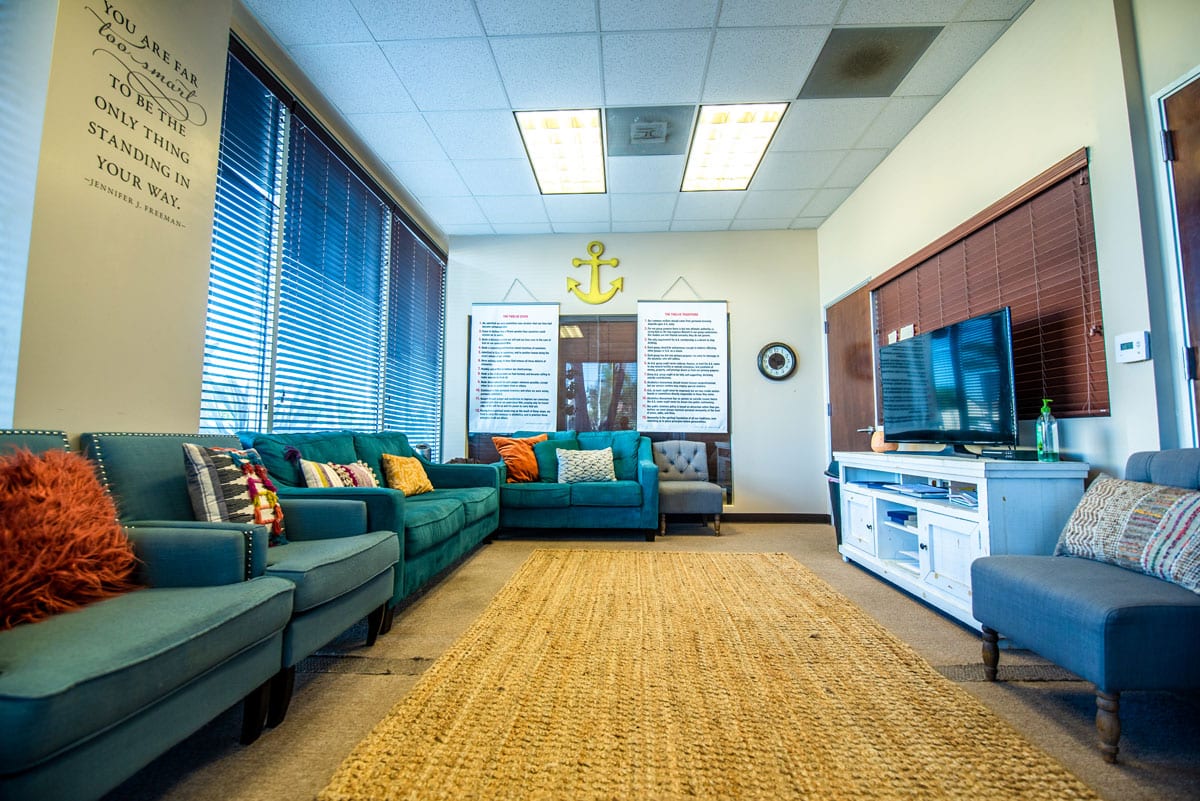

A Community to Support You in Your Journey
The team at Anchored Tides Recovery is composed of highly skilled and compassionate professionals who are deeply committed to helping women on their journey to recovery. Our multidisciplinary team includes licensed therapists, addiction specialists, medical professionals, nutritionist, and support staff, all of whom bring a wealth of experience in treating addiction and co-occurring mental health disorders. Each team member is dedicated to providing personalized care, understanding the unique challenges women face, and creating a nurturing environment where they feel safe and supported. With a holistic approach that integrates evidence-based therapies and wellness practices, our team works collaboratively to empower women to overcome their struggles and achieve lasting recovery.
Developing a Support System
Developing a strong support system is essential for lasting recovery and personal growth. This resource highlights the importance of building healthy relationships, connecting with supportive communities, and creating a trusted network to navigate life’s challenges in recovery. Click the button below to read more about developing a support system here.

STORIES OF RECOVERY

If you or someone you care about is seeking treatment options in Orange County, Anchored Tides Recovery proudly serves women from communities across the region, including Costa Mesa, Newport Beach, Fountain Valley, and Irvine. Learn more about the areas we serve and how accessible recovery can be from our Orange County rehab location.
- Costa Mesa
- Garden Grove
- Fountain Valley