
A Legal Suggestion Guide for Families — With Compassionate Alternatives for Women’s Recovery
In many U.S. states, you can legally force someone into rehab — but only through a formal court process that requires meeting strict legal criteria, and it is rarely the first or best option. What follows covers how involuntary commitment laws work, who may file a petition, what courts look for, and what the evidence says about outcomes — along with practical, compassionate alternatives families can pursue when involuntary options are unavailable or not the right fit. So, can you force something to go to rehab? There are options, and if you are already looking for help, see our women’s addiction treatment programs at Anchored Tides Recovery.
📋 TL;DR — Quick Summary
Yes, involuntary commitment for substance use is legal in many U.S. states — but it requires a court petition, specific criteria (such as imminent danger or grave disability), and formal due process. Outcomes are generally better with voluntary treatment, and discharge carries elevated overdose risk. Compassionate alternatives like motivational engagement, family support, harm reduction, and women-centered care often produce safer, more lasting results.
🔑 Key Takeaways
- Involuntary commitment is legal in many states but requires a formal petition, specific statutory criteria, and court oversight.
- Eligible petitioners can include family members, health care professionals, and law enforcement — but this varies by state.
- Courts require evidence of imminent danger or grave disability — the bar is high, and legal protections apply throughout.
- Voluntary treatment produces better long-term outcomes; involuntary care can stabilize immediate risk but requires strong aftercare follow-through.
- Overdose risk rises after any supervised stay — discharge planning with naloxone, MAT, and outpatient connection is essential.
- Compassionate alternatives — motivational engagement, family therapy, harm reduction, and women-centered care — are often more effective paths to lasting recovery.
Understanding Involuntary Rehab and Key Legal Terms
What “Involuntary Commitment” Actually Means
Involuntary commitment is a civil legal process through which a court or designated authority may order mental health or substance use treatment for a person who meets specific statutory criteria. You may encounter several terms for this process:
- Civil commitment — the broad legal category for court-ordered treatment
- Emergency detention — a short-term hold for immediate evaluation
- Involuntary hospitalization — placement in a supervised facility without consent
These laws are designed for situations where a person’s substance use creates significant risk of harm or leaves them unable to care for themselves. The legal framing matters: courts do not order treatment as punishment; they do so when evidence shows someone cannot safely make decisions for their own well-being.
Who Can File a Petition and What Courts Look For
Who Is Eligible to File
In many jurisdictions, the following parties may initiate a commitment petition:
- Family members or close friends
- Licensed health care professionals
- Law enforcement officers
- Public mental health officials
Some states restrict petitioning to specific parties or require a professional evaluation before a petition proceeds. Because rules differ substantially, contacting local behavioral health authorities or a licensed attorney is the most reliable way to understand who may file in your state.
Common Legal Criteria Courts Consider
Courts most often look for one or more of the following findings:
- Substantial likelihood of serious harm to the person or others
- Grave disability — being unable to meet basic needs due to substance use
- Imminent threat or inability to make rational decisions about treatment
- History of dangerous behavior directly related to substance use
The precise threshold and legal definitions vary substantially across states. Always consult the statutory language in your jurisdiction.
What Happens After a Petition Is Filed
Initial Detention and Clinical Assessment
Many jurisdictions allow a short emergency hold — typically hours to a few days — when there is reasonable cause to believe someone poses a danger. During this period, clinicians assess medical needs, risk of harm, acute withdrawal risk, and whether inpatient or outpatient treatment is most appropriate.
The Hearing and Legal Protections
If a petition proceeds to a formal hearing, the person typically has the right to:
- Advance notice of the hearing
- Legal representation
- An opportunity to present and challenge evidence
Courts weigh clinical evaluations, witness testimony, and relevant history. Time limits, appeal rights, and required findings are set by statute and may include periodic reviews to continue any existing order.
Can a Court Order an Exam If Someone Refuses?
Yes — in many jurisdictions, courts or designated officials can issue orders for involuntary examination or temporary custody when there is probable cause of imminent harm or grave disability. Law enforcement or medical transport may be authorized to bring a person to an emergency facility for assessment. Emergency medical and withdrawal risks are important considerations. Specific procedures and maximum detention lengths are governed by state law.
How Long Can Court-Ordered Treatment Last?
Duration varies considerably by state and program type:
- Initial evaluation holds: typically hours to a few days
- Court-ordered inpatient stays: can range from days to several months
- Extensions: many states require periodic judicial review; others require re-petitioning
- Aftercare: community-based oversight and outpatient requirements may continue beyond inpatient stays
Because duration varies so substantially, reviewing your state’s statutes and speaking with local providers about typical program lengths is essential.
Named State Laws at a Glance
|
Law |
State |
Who can petition |
Max initial stay |
Max treatment order |
|---|---|---|---|---|
|
Marchman Act |
Florida |
Family, spouse, or 3 adults |
5-day assessment |
60 days (extendable 90-day increments) |
|
Casey’s Law |
Kentucky |
Spouse, relative, friend, or guardian |
72-hour hold |
60–360 days |
|
Ricky’s Law |
Washington |
Designated Crisis Responder (DCR) |
120-hour hold |
14 days + up to 90-day extension |
|
Section 35 |
Massachusetts |
Police, physician, family, or court official |
Court-ordered hold |
Up to 90 days |
Note: This table is for general reference only. Consult a licensed attorney or your state’s behavioral health authority for current, jurisdiction-specific guidance.
Is Involuntary Treatment Effective at Preventing Relapse?
Research and clinical practice generally show that voluntary treatment is more consistently associated with longer-term engagement and better outcomes, because personal motivation enhances participation. That said, involuntary treatment can stabilize immediate risk and create a bridge to engagement for some people. Long-term success depends on follow-up services, voluntary engagement after discharge, trauma-informed care, and gender-responsive programming. Women with co-occurring mental health conditions benefit especially from integrated dual diagnosis treatment that addresses both addiction and mental health simultaneously.
Does Involuntary Treatment Increase Overdose Risk After Discharge?
Yes — this is a well-documented risk. Any period of abstinence or supervised care lowers a person’s tolerance, making a return to prior levels of use significantly more dangerous. The risk is highest in the days and weeks immediately following discharge. Effective transition planning can reduce this risk and should include:
- Overdose education before and after discharge
- Naloxone distribution and training for the person and their family
- Medication-assisted treatment (MAT) where clinically appropriate
- Rapid connection to outpatient care and peer support
- Trauma-informed, women-centered aftercare and harm reduction strategies
Practical Alternatives to Involuntary Commitment
The following evidence-informed approaches can help families support a loved one while honoring her autonomy:
- Open, nonjudgmental conversations that center safety and health — not punishment
- Motivational interviewing facilitated by a trained clinician to explore ambivalence and build readiness
- Family therapy and structured interventions that improve communication and establish healthy boundaries
- Requesting a direct referral and warm handoff from a trusted clinician to a women’s addiction treatment program like Anchored Tides Recovery
- Outpatient medications for opioid or alcohol use disorders where clinically indicated
- Harm reduction: naloxone, safer-use education, safer environment planning, and syringe services where relevant
- Short-term crisis respite, peer recovery supports, and women-only programs offering safety and structure — from a women’s partial hospitalization program (PHP) to a women’s intensive outpatient program (IOP) depending on clinical need
These approaches can be combined and adapted to your loved one’s readiness and needs. No single path fits every woman — but compassion, connection, and consistent support are central to lasting recovery. For a practical guide on next steps, see our page on sending a loved one to treatment.
Frequently Asked Questions
Can you legally force someone to go to rehab against their will?
In many places, civil commitment laws allow a court or designated authority to order treatment when a person meets statutory criteria — such as posing a danger to themselves or others, or being gravely disabled because of substance use. However, laws differ widely by state and most require specific findings, procedural protections, and defined timelines. Seek local legal guidance and contact public behavioral health authorities to learn how the process works where you live.
Which U.S. states allow involuntary commitment for substance use?
As of 2024, approximately 34–38 states and the District of Columbia have some form of involuntary commitment provision for substance use disorders, though scope and procedures vary widely. States with statutes permitting court-ordered treatment for substance use disorder, alcoholism, or both include: Alaska, California, Colorado, Connecticut, Delaware, District of Columbia, Florida, Georgia, Hawaii, Indiana, Iowa, Kansas, Kentucky, Louisiana, Maine, Maryland, Massachusetts, Michigan, Minnesota, Mississippi, Montana, Nebraska, North Carolina, North Dakota, Ohio, Oklahoma, Pennsylvania, South Dakota, Tennessee, Texas, Virginia, Washington, West Virginia, and Wisconsin. Vermont permits commitment for substance use disorder only; Rhode Island for alcoholism only. States including Alabama, Arizona, Idaho, Illinois, Missouri, Nevada, New Jersey, New Mexico, New York, Oregon, South Carolina, and Utah either have no specific commitment statute for substance use or address it only through broader mental health commitment laws. Because laws change frequently, always verify current statutes with a local attorney or your state’s behavioral health authority before taking action.
Who is allowed to file an involuntary commitment petition?
Eligible petitioners vary by state and can include family members, close friends, physicians, licensed mental health professionals, law enforcement, or public mental health officials. Some states require a professional evaluation before filing or restrict who may initiate the process. Contacting local behavioral health services or a lawyer can clarify who may file in your area.
What happens after I file a petition?
After a petition is filed, a court or designated official may authorize a short emergency detention for medical and psychiatric evaluation. Clinicians assess risk, medical stability, and treatment needs. If the petition proceeds, a legal hearing is scheduled where the person has rights to notice, counsel, and to present and challenge evidence. The court will decide whether statutory criteria are met and whether to order treatment.
Is involuntary rehab more or less effective than voluntary treatment?
Evidence suggests voluntary treatment generally produces better long-term engagement and outcomes because it aligns with personal motivation. Involuntary treatment can reduce immediate risk and provide stabilization, but long-term success typically depends on follow-up services, voluntary engagement after discharge, and whether care is trauma-informed and responsive to women’s needs. Program quality and aftercare planning — including structured relapse prevention planning — are key determinants of outcomes regardless of how treatment begins.
What practical alternatives do families have besides pursuing involuntary commitment?
Alternatives include motivational engagement strategies, family therapy, structured interventions, asking clinicians for direct referrals and warm handoffs, outpatient medication treatments, harm reduction measures such as naloxone and safer-use information, crisis respite and peer recovery supports, and women-centered programs that address trauma and safety. For a fuller guide to supporting a loved one, read our article on how to help someone with addiction.
Are there named laws in specific states I should know about?
Yes. Several states have well-known named statutes that families frequently search for:
- Marchman Act (Florida, Chapter 397): Florida’s dedicated substance use commitment law, enacted in 1993. A spouse, family members, or three adults with personal knowledge of the person’s substance use may petition the circuit court. Criteria require that the person has lost the power of self-control over substance use and poses a substantial likelihood of serious harm. An involuntary assessment of up to 5 days may be ordered, followed by court-ordered treatment initially up to 60 days, extendable in 90-day increments if clinically justified.
- Casey’s Law (Kentucky, KRS 222.430–432): Passed in 2004 and named for Casey Wethington, who died of a heroin overdose at age 23. A spouse, relative, friend, or guardian petitions the district court. The court must find the person suffers from alcohol or drug abuse, presents an imminent threat to themselves or others, and would reasonably benefit from treatment. Two qualified health professionals — at least one a physician — must evaluate the respondent. If granted, treatment may be ordered for 60 days or up to 360 days. Important: the petitioner typically must sign a financial guarantee for all costs. Legal aid and low-cost treatment resources may be available.
- Ricky’s Law (Washington, HB 1713, enacted 2016, effective 2018): Named for Ricky Garcia, who advocated for the law after his own addiction. A Designated Crisis Responder (DCR) — a specially trained behavioral health professional — assesses the person and may order an initial 120-hour detention to a secure withdrawal management and stabilization facility. A court may then extend commitment to 14 days and potentially an additional 90 days. Criteria require a likelihood of serious harm or grave disability due to a substance use disorder.
- Massachusetts Section 35 (MGL Chapter 123, §35): A police officer, physician, spouse, blood relative, guardian, or court official may petition a district or juvenile court. The court must find that the person has a substance use disorder and that there is a likelihood of serious harm as a result. If granted, commitment to an approved inpatient treatment facility may be ordered for up to 90 days. Individuals retain the right to legal representation and an expedited appeal.
Many other states have analogous statutes under different names. Laws change and local procedures vary; always verify the current statute through your state legislature, behavioral health authority, or a licensed attorney.
What are drug courts and could they apply to my loved one?
Drug courts are specialized court programs that divert people with substance use disorders away from incarceration and into supervised treatment. More than 3,500 drug courts operate across all 50 states. They apply to individuals facing non-violent, drug-related criminal charges — not as an alternative to civil commitment, but as an alternative to prosecution or incarceration following an arrest. Participants agree to court supervision, regular drug testing, and participation in treatment; successful completion can result in reduced or dismissed charges. Drug courts are not applicable if your loved one has not been arrested. If she is already involved in the criminal justice system, ask a defense attorney about drug court eligibility.
Can a minor be forced into rehab, and how do the rules differ for teens?
Yes, in many states parents or legal guardians have the authority to consent to — or in some circumstances compel — addiction treatment for a minor without a separate court order, depending on the minor’s age and the state’s age-of-consent laws for healthcare decisions. Some states allow minors above a certain age to refuse treatment even over a parent’s objection. Many involuntary commitment statutes — including Ricky’s Law in Washington — explicitly apply to adolescents as well as adults. Because the legal landscape for minors varies significantly by state, consult a local family law or mental health attorney before taking action. Anchored Tides Recovery serves adult women (18+) only. Families seeking treatment for a minor should contact a pediatrician, school counselor, or local behavioral health authority for adolescent-specific referrals.
What is a professional intervention, and how does it differ from involuntary commitment?
A professional intervention is a structured, facilitated conversation — typically led by a trained interventionist — in which family members and close friends come together to express their concern and encourage a loved one to accept treatment voluntarily. Helping a loved one move past overcoming denial is often the first breakthrough. Common models include the Johnson Intervention model and the ARISE (A Relational Intervention Sequence for Engagement) approach. Unlike involuntary commitment, an intervention does not involve the courts and cannot compel treatment — but it is often effective at building readiness and motivating a person to seek help. Professional interventionists guide families on what to say, how to set clear boundaries, and how to respond if the person initially refuses. Many treatment centers, including Anchored Tides Recovery, can provide referrals to trained interventionists. A professional intervention is generally considered a strong first step before exploring legal options.
Ready to Explore Options?
If you’re concerned about a loved one and want compassionate, women-centered support, Anchored Tides Recovery is here to help. Our Huntington Beach team specializes in trauma-informed, gender-responsive care for adult women navigating addiction, mental health challenges, and past trauma.
📞 Call us: (866) 753-5865
✉️ Email: admissions@anchoredtidesrecovery.com
📍 Located at: 19126 Magnolia St Ste 101, Huntington Beach, CA 92646
About This Guide: Who Wrote It and Why You Can Trust It
This guide was developed by the clinical and leadership team at Anchored Tides Recovery, a licensed women’s-only addiction treatment center in Huntington Beach, California. Our staff brings direct, hands-on experience supporting women and families navigating the most difficult moments of the recovery journey — including the painful question of whether to pursue involuntary treatment for a loved one.
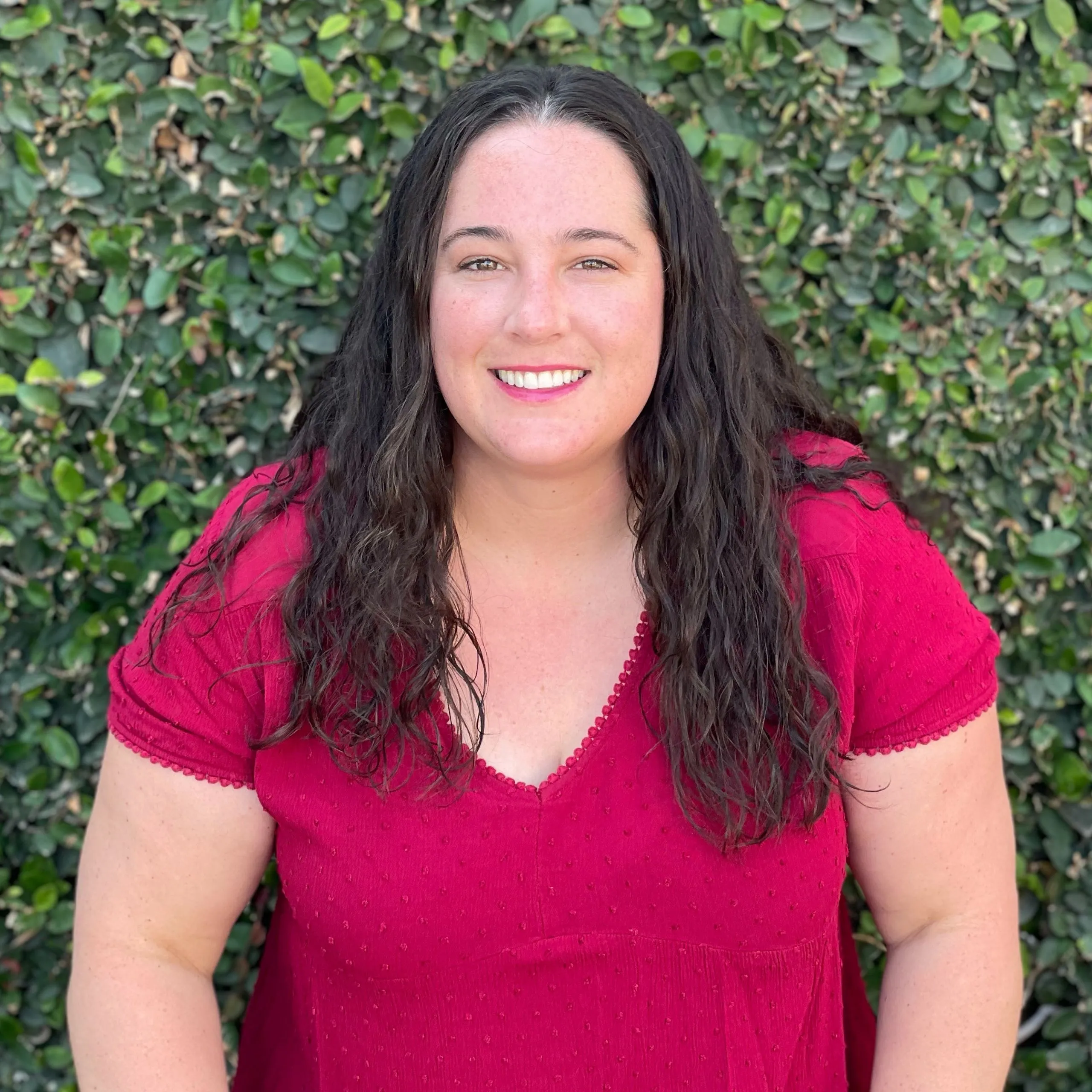
Stephanie Behrens, LMFT, LPCC — Clinical Director & Clinical Outreach
Stephanie is a Licensed Marriage and Family Therapist (LMFT) and Licensed Professional Clinical Counselor (LPCC) who leads clinical programming and outreach at Anchored Tides Recovery. Her work centers on trauma-informed, gender-responsive care for women in all stages of recovery, with deep expertise in co-occurring mental health and substance use disorders.
Becca Edge — CEO & Co-Founder, Anchored Tides Recovery
Becca co-founded Anchored Tides Recovery with a mission to create a truly safe, women-centered space for healing. Her leadership has shaped a program that integrates clinical excellence with genuine compassion, building a community where women can address addiction, trauma, mental health, and eating disorders in a supported environment.
Amy Dutton, B.A. — COO & Co-Founder, Anchored Tides Recovery
Amy co-founded Anchored Tides Recovery and oversees daily operations with a focus on ensuring every woman receives individualized, dignified care. She is committed to building an honest, transparent recovery program where women feel empowered — not just treated.
Our Credentials & Accreditation
Anchored Tides Recovery is licensed by the California Department of Health Care Services (License #300386AP) and accredited by The Joint Commission — the gold standard in behavioral health quality and patient safety. Our boutique treatment center in Orange County serves adult women exclusively, providing comprehensive therapeutic and educational services for addiction, mental health, trauma, and eating disorders. Learn what makes women’s addiction treatment unique and how our programs differ from general co-ed treatment.
Medical & Legal Disclaimer: This page provides general educational information only. It is not a substitute for advice from a licensed clinician, attorney, financial advisor, or insurance professional. Nothing on this page constitutes legal advice or establishes a provider-patient relationship. Laws governing involuntary commitment vary by state and change frequently; content may be outdated due to regulatory or other changes. Always consult a qualified professional for guidance specific to your situation. To verify current program details or discuss treatment options, contact Anchored Tides Recovery directly at (866) 753-5865.